Plastic wicker patio furniture guide to materials, frames and care
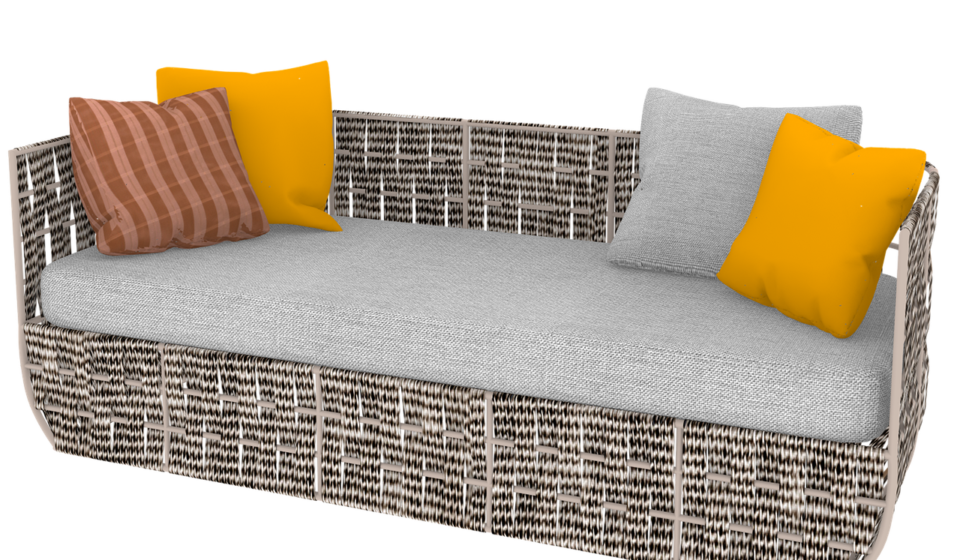
What plastic wicker patio furniture really is
Plastic wicker patio furniture is not simply traditional wicker made in a different color. It is usually a woven synthetic resin strand, often polyethylene-based, wrapped around a metal or plastic frame to create the look of rattan or cane for outdoor use. For buyers, the visible weave is only one part of the specification. Long-term performance depends on the resin type, UV stabilization, frame material, fasteners, cushion fabric, drainage and the way the set is used.
For an uncovered sunny patio, HDPE or well-specified PE wicker over a corrosion-resistant aluminum frame is generally a stronger specification than vague resin wicker over unprotected steel. Lower-cost PVC or steel-framed sets can still be reasonable for covered patios, rental properties or short replacement cycles, but they should be bought with realistic expectations.
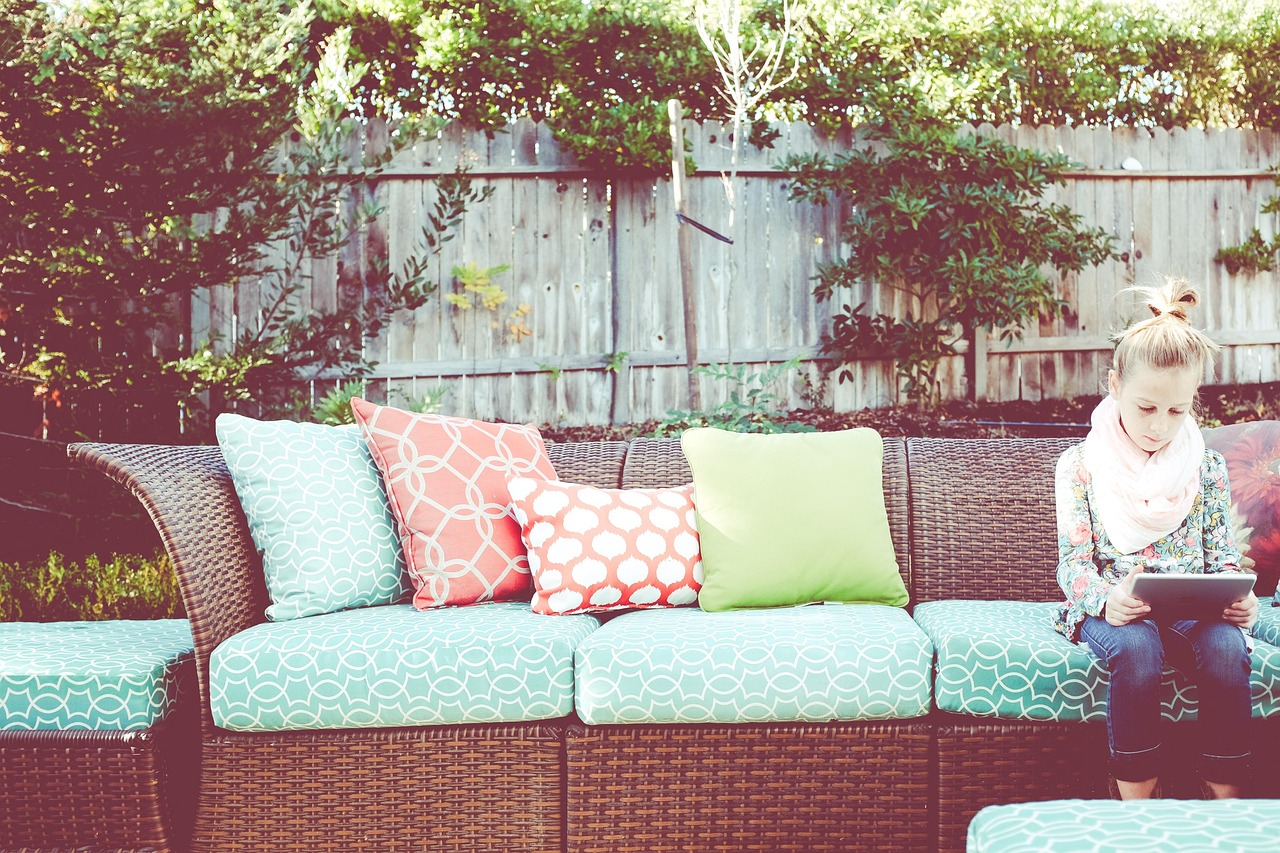
For more background on furniture material choices, see the furniture materials archive.
The material stack behind plastic wicker patio furniture
Most product pages lead with style, color and the number of seats. A better way to judge plastic wicker patio furniture is to look at the full material stack. The woven strand, frame, connectors, cushions and surface finishes each do a different job. If one layer is weak, the set can fail even when the rest looks acceptable in photos.
The woven resin strand
The strand is the part usually described as wicker, rattan, resin wicker or all-weather wicker. Outdoor-grade synthetic wicker is commonly made from PE or HDPE, while some lower-cost products use PVC or vinyl-like materials. HDPE is high-density polyethylene. PE is a broader family that can include different densities and formulations.
The exact compound matters because outdoor plastics need stabilizers and pigments that can tolerate sunlight, heat and moisture. Polymer research on UV exposure explains why this matters: untreated plastics can gradually fade, chalk, embrittle or crack when exposed to solar radiation over time.
The frame
The frame determines rigidity, weight and corrosion risk. Powder-coated aluminum is widely used because it is light and naturally resistant to rust. Steel can feel sturdy and can help reduce cost, but it needs an effective coating and more careful maintenance, especially in wet or coastal locations. If water reaches exposed steel through scratches, weld points or trapped moisture under the weave, rust may spread behind the surface before the buyer notices it.
Cushions, straps and fasteners
Many complaints about outdoor sets are not caused by the wicker itself. Cushions may hold water, zipper seams can fail, and low-grade hardware can corrode. For outdoor seating, look for removable cushion covers, fabric described as UV-resistant or solution-dyed where possible, quick-drying foam or breathable fill, and stainless or coated fasteners. These details cannot compensate for a weak frame, but they reduce the chance that the soft components age faster than the structure.
HDPE, PE and PVC wicker compared
Material names are often used loosely in patio furniture listings. HDPE, PE and PVC are not interchangeable, and a product described only as resin wicker does not give buyers enough information. Public guidance from EPA on plastics also shows why resin identification and end-of-life handling are not simple: a plastic type can be identified by resin family, but local recycling acceptance depends on the item, contamination, markets and the local program.
| Material term | What it usually means | Outdoor implication | Buyer caution |
|---|---|---|---|
| HDPE wicker | High-density polyethylene strand or lumber-like plastic | Often chosen for outdoor durability when UV-stabilized and colored through the material | Ask whether the wicker strand is actually HDPE, not just a general plastic claim |
| PE wicker | Polyethylene-based wicker, sometimes used as a broad category | Can perform well outdoors if compounded for UV and heat exposure | PE quality varies by formulation, strand thickness and stabilizers |
| PVC or vinyl wicker | Polyvinyl chloride-based strand or coating | May be used in lower-cost furniture or covered areas | Can be less forgiving in intense sun or temperature swings, depending on formulation |
| Natural rattan or natural wicker | Plant-based woven material | Better suited to indoor, sunroom or protected porch use | Not the same as outdoor plastic wicker, even when the look is similar |
Consumer buying guidance has long made a practical distinction between natural wicker and outdoor plastic wicker. Natural woven fibers can look warmer and more traditional, but they are not the safer choice for repeated rain, pool splash and full sun unless the furniture is kept in a protected area. Synthetic wicker is used outdoors largely because patios, decks and pool areas expose furniture to conditions that natural fibers do not handle consistently.
How climate changes the buying decision
A material that works on a shaded balcony may not perform the same way on an open pool deck. BIFMA’s 2025 outdoor furniture white paper describes the design challenge broadly: outdoor furniture may face direct UV exposure, high heat and humidity, cold and moisture. That list is a useful reminder to match the furniture to actual exposure rather than relying on a generic outdoor label.
Full sun and high heat
In hot, sunny climates, the main risks are fading, chalking, brittleness and heat buildup. Dark wicker can become hot to the touch. Pale colors may show dirt and stains more easily, while very bright colors can be harder to keep consistent after years of UV exposure. Buyers should look for wording such as UV-stabilized resin, color-through material, fade-resistant wicker or tested outdoor resin. These claims are not all equal, but they are more useful than style-only descriptions.
Rain, humidity and pool areas
For wet climates and poolside use, drainage is as important as resin type. Water should not sit inside woven pockets, cushion seams or frame tubes. Aluminum frames, open-weave details, removable cushions and sloped seats help water leave the furniture. Around chlorinated pools or saltwater pools, rinse furniture periodically because residues can speed wear on coatings and hardware.
Coastal air
Coastal patios add salt, wind and abrasive sand. In these settings, powder-coated aluminum, stainless hardware and easy-rinse surfaces are worth prioritizing. Steel-framed wicker sets may still be usable under cover, but they need more inspection. Check hidden underside joints, screw heads and feet, because corrosion often starts where water collects or the coating is damaged.
Cold winters and storage
Cold weather does not automatically ruin plastic wicker, but freeze-thaw cycles can stress weak strands, trapped water and brittle formulations. If furniture stays outdoors through winter, keep it clean and dry, use breathable covers, and avoid sealing wet cushions under plastic covers. When possible, store cushions indoors and place the furniture where snow loads will not sit on woven surfaces for long periods. See also: built-in furniture.
Quality checks before buying
Because product descriptions vary widely, buyers should inspect the physical details where possible or ask the seller specific questions. This is especially important for large sectionals, dining sets and commercial seating, where replacement costs are higher.
- Ask for the resin family. HDPE or outdoor-grade PE is more informative than resin wicker alone.
- Check for UV language. Look for UV-stabilized, color-through resin or weather-tested wording. Do not treat all-weather as a technical specification by itself.
- Identify the frame. Powder-coated aluminum is usually preferable for wet, humid or coastal spaces. Steel should have a clearly described protective coating.
- Inspect the weave tension. Wicker should feel evenly wrapped, not loose, unraveling or sharply kinked at corners.
- Look underneath. Feet, welds, screw heads and hidden crossbars reveal more about build quality than staged product photos.
- Check drainage paths. Seats and tables should not trap water inside the weave or frame.
- Evaluate cushion construction. Removable covers, outdoor fabric and quick-drying fill improve usability after rain.
- Ask about replacement parts. Cushions, glides, clips and individual chairs should be replaceable for higher-value sets.
Standards can also help frame the conversation, even when a retail product does not claim formal certification. ASTM has standards work for outdoor plastic lawn furniture, including performance requirements for plastic chairs for outdoor use. The European EN 581 series covers outdoor seating and tables for camping, domestic and contract use, with EN 581-1:2017 addressing general safety requirements and EN 581-2:2026 addressing seating mechanical safety requirements and test methods. These standards do not automatically apply to every patio set on a U.S. product page, but they show the kinds of load, stability and safety questions responsible manufacturers consider.
Care and maintenance that actually help
Plastic wicker is often sold as low maintenance, not no maintenance. Dirt, pollen, sunscreen, food residue, bird droppings and pool chemicals can all sit in the weave. Regular light cleaning is easier than trying to restore a neglected set after a full season outdoors.
- Remove loose debris with a soft brush or vacuum brush attachment.
- Wash with mild soap and lukewarm water using a soft cloth or soft-bristle brush.
- Rinse thoroughly so soap does not remain in the weave.
- Let furniture dry before covering it or stacking cushions.
- Inspect underside joints, feet and hardware at least once or twice per season.
Avoid harsh abrasives, pressure washing at close range and strong solvents unless the manufacturer specifically allows them. Abrasive cleaning can roughen the plastic surface, making it hold dirt more easily. Strong chemicals can also affect coatings, cushion fabrics and plasticizers in some materials. Covers are useful, but breathable covers are usually safer than tight plastic sheets because trapped moisture can create mildew problems on cushions and encourage corrosion on metal parts.
Sustainability and end-of-life limits
Plastic wicker patio furniture can reduce replacement if it lasts longer than a cheaper, weaker alternative. That is the sustainability argument most relevant to furniture: longer service life, repairability and less frequent disposal. However, plastic wicker should not be described as automatically sustainable just because the word recyclable appears in a listing.
EPA’s sustainable materials management framework looks at the whole life cycle of materials, including raw material acquisition, manufacturing, use, reuse, maintenance and waste management. Applying that view to patio furniture means asking practical questions: Does the product contain recycled content? Can cushions or glides be replaced? Can the frame and plastic be separated at end of life? Is the furniture likely to last long enough to justify the material used?
Mixed-material furniture is harder to recycle than a single clean plastic item. A plastic wicker chair may include resin strands, aluminum or steel, screws, staples, cushion foam, textile covers and coatings. Even if one component is HDPE, the whole chair may not be accepted by curbside recycling. For higher-value outdoor sets, repairability and replaceable parts are often more realistic environmental advantages than a vague recycling claim.
Frequently asked questions
Is plastic wicker patio furniture the same as rattan?
No. Rattan is a natural plant material, while plastic wicker usually means a synthetic woven resin made to resemble natural wicker or rattan. Natural rattan can be attractive indoors or in protected spaces, but synthetic wicker is usually the more practical choice for repeated outdoor exposure.
Is HDPE wicker better than PVC wicker?
HDPE is generally the stronger specification for long-term outdoor wicker when it is UV-stabilized and used with a suitable frame. PVC wicker can still work in budget or covered applications, but buyers should be more careful about sunlight exposure, temperature changes and the expected replacement cycle.
Can plastic wicker furniture stay outside all year?
It can, but the answer depends on climate, frame material and storage practices. Furniture left outside all year should have outdoor-grade resin, corrosion-resistant framing, breathable covers and removable cushions. In snowy or coastal environments, periodic cleaning and inspection are especially important.
Why does plastic wicker crack or unravel?
Common causes include low-grade resin, insufficient UV stabilization, brittle strands, poor weave tension, sharp bends around frame corners, heavy use, trapped moisture or damage from harsh cleaning. Once strands begin to break, the damage can spread because the weave loses tension.
What should I ask before buying a plastic wicker set online?
Ask what resin is used, whether it is UV-stabilized, whether the color runs through the material, what the frame is made from, what hardware is used, whether cushions are removable, and whether replacement parts are available. If the seller cannot answer basic material questions, treat broad outdoor claims cautiously.