HDPE furniture explained for outdoor and contract use
What HDPE furniture means in practical specification
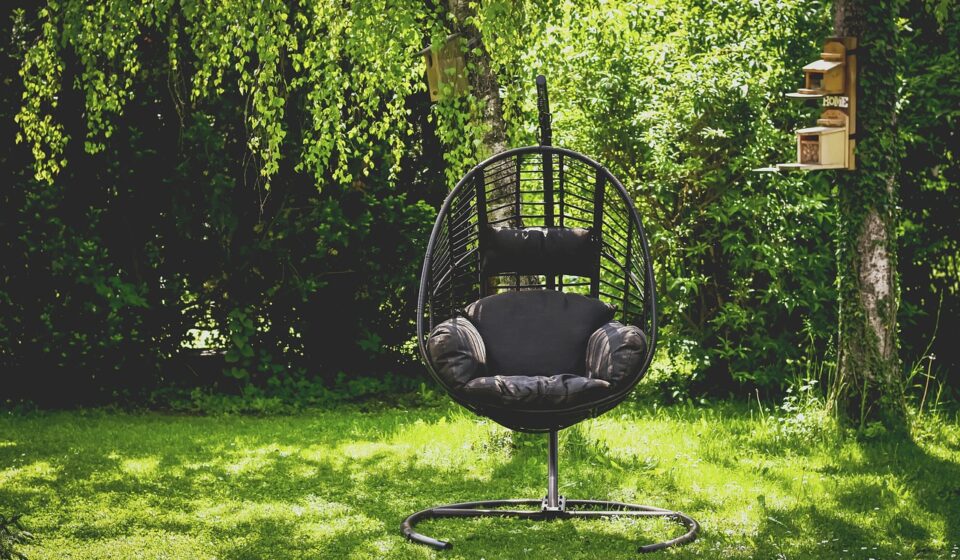
HDPE furniture is furniture made wholly or partly from high-density polyethylene, typically as molded components or extruded plastic lumber. In outdoor and contract settings, its value is less about imitating wood and more about handling moisture, cleaning, insects, and routine weather exposure with lower upkeep than many natural materials. It is commonly used for patio chairs, park benches, dining sets, Adirondack-style seating, marine-side furniture, poolside pieces, school courtyards, and public site furnishings.
For buyers and specifiers comparing furniture materials, HDPE should be treated as a durable polymer option with clear strengths and clear limits. It can reduce repainting and sealing work, but it still depends on proper frame design, UV stabilization, suitable fasteners, allowance for thermal movement, and realistic end-of-life planning.
How HDPE becomes furniture material
High-density polyethylene is identified in recycling systems as resin identification code number 2. In packaging, it is familiar from milk jugs, detergent bottles, and other rigid containers. In furniture, HDPE is usually processed into heavier-duty forms such as boards, profiles, molded shells, armrests, slats, and tabletops.
Two broad material routes are common. One uses virgin HDPE resin where color consistency, controlled properties, or regulatory documentation are important. The other uses recycled HDPE, often post-consumer or post-industrial material, which is cleaned, sorted, melted, compounded, and extruded or molded into furniture-grade stock. Many outdoor furniture products use a blend of HDPE resin, pigments, UV stabilizers, and processing additives. Some manufacturers also add surface texture or embossed grain to make plastic lumber look closer to painted wood.
The manufacturing method affects performance. Extruded HDPE boards are often used for slatted chairs, benches, picnic tables, and plank-style tabletops. Molded HDPE parts are better suited to curved seats, shells, caps, and components with integrated fastening points. Neither route automatically makes a product suitable for heavy commercial use. Part thickness, ribbing, fastener layout, support span, and quality control matter as much as the base resin.
Where HDPE performs especially well
HDPE furniture performs best when the job calls for moisture resistance, predictable cleaning, and low routine maintenance. It does not absorb water in the same way wood does, so it is not vulnerable to rot, fungal decay, or swelling from rain exposure. It also avoids splinters, which is one reason HDPE seating is used in family, school, resort, and public outdoor environments.
Chemical resistance is another practical advantage. Routine exposure to water, mild detergents, sunscreen residue, food spills, and poolside cleaning is generally easier to manage on HDPE than on unfinished wood or corrodible metals. That makes it useful for hospitality terraces, outdoor dining areas, marinas, pool decks, and coastal locations where salt air can shorten the life of poorly protected steel.
Color-through construction is also important. Many HDPE furniture boards and molded components are pigmented through the material rather than painted only on the surface. When scratched, the mark may be less obvious than a scratch through paint on metal or wood. This does not mean HDPE cannot fade, scuff, or stain, but it shifts the maintenance model from repainting and sealing to washing, inspection, and occasional hardware tightening.
- Good fit: outdoor lounge chairs, benches, picnic tables, park furniture, poolside furniture, coastal hospitality seating, school courtyards, and garden furniture.
- Possible fit with design checks: commercial dining chairs, modular seating, planters with seating edges, rooftop furniture, and public-space installations.
- Poor fit unless engineered carefully: long unsupported spans, high-load structural parts, thin cantilevered details, and applications exposed to extreme heat or open flame.
Limitations that should not be ignored
The main specification mistake is treating HDPE as a direct structural substitute for hardwood, aluminum, or steel. HDPE is tough, but it is also more flexible than many conventional structural materials. Under sustained load, plastic can creep, meaning it slowly deforms over time. This is especially relevant for long bench spans, tabletops, shelving-like surfaces, and chair parts that carry concentrated weight.
Thermal movement is another design issue. Outdoor furniture experiences daily temperature changes, and polymers expand and contract more than wood or metal. A long HDPE board fixed too tightly at both ends may bow, ripple, or stress its fasteners. Good product design allows controlled movement through slotted holes, suitable screw spacing, support rails, and details that avoid over-constraining the material.
Heat exposure also needs attention. Dark-colored HDPE furniture can become hot in direct sun, making it uncomfortable to touch or sit on. In very hot conditions, thin or poorly supported parts may feel more flexible. HDPE should also be kept away from open flame and high-heat sources such as grills, fire pits, or patio heaters positioned too close to the furniture.
Surface appearance has limits as well. HDPE can be textured to resemble wood, but it does not age like natural timber and will not develop the same grain depth, patina, or repairability. Scratches can often be reduced visually, but deep gouges are not repaired in the same way as sanded hardwood. For luxury indoor furniture where tactile refinement and thin profiles are central to the design, HDPE is usually not the first material choice.
HDPE compared with wood, metal, PVC, and polypropylene
Material selection should be based on environment, maintenance capacity, required appearance, expected load, and end-of-life priorities. HDPE often performs well when moisture and maintenance are the main concerns, but it is not automatically superior in every category.
| Material | Main strengths | Main limitations | Best-fit furniture uses |
|---|---|---|---|
| HDPE | Moisture resistance, no rot, low routine maintenance, color-through options, good outdoor durability when UV-stabilized | Creep, thermal expansion, heat buildup in dark colors, less stiffness than metal or hardwood | Outdoor seating, benches, picnic tables, poolside and coastal furniture |
| Wood | Natural appearance, stiffness, repairability, broad design range | Can rot, split, splinter, fade, or require sealing depending on species and finish | Residential furniture, premium hospitality, indoor-outdoor designs where maintenance is accepted |
| Aluminum | Lightweight, corrosion resistance when finished correctly, slim profiles | Can dent, heat up, require powder-coat maintenance, and feel less warm than wood or polymer | Café chairs, contract outdoor dining, stackable frames, modern patio furniture |
| Steel | High strength, rigid frames, thin structural sections | Corrosion risk if coating fails, heavier handling, periodic finish inspection | Public benches, urban furniture, commercial frames, security-focused installations |
| PVC | Weather resistance, formability, often used in profiles | Different environmental and additive considerations; may be less desirable where recycling simplicity is prioritized | Casual outdoor furniture, trim-like components, lightweight frames |
| Polypropylene | Lightweight, moldable, common in stackable seating | May be less stiff and less premium-feeling in some applications; outdoor performance depends on formulation | Molded chairs, shells, indoor-outdoor seating, economical contract furniture |
For many projects, the strongest design is not a single-material answer. HDPE boards paired with stainless steel or powder-coated aluminum frames can provide better stiffness than HDPE alone. Metal reinforcement inside or beneath long plastic lumber spans can also reduce sagging and improve long-term serviceability.
Recycled content and end-of-life considerations
One reason HDPE furniture attracts attention is the possibility of using recycled plastic. This can be a real advantage, especially when recovered HDPE is turned into durable products that remain in use for many years. The U.S. Environmental Protection Agency identifies HDPE as plastic number 2 in recycling systems, and recycling organizations such as the Association of Plastic Recyclers publish design guidance for HDPE packaging streams. For furniture, the broader lesson is that clean material streams, compatible additives, and practical recovery systems matter. See also: built-in furniture.
However, a product made from HDPE is not automatically easy to recycle at the end of its life. Large furniture pieces are not the same as household bottles. They may include screws, metal frames, mixed polymers, fillers, labels, fabrics, rubber feet, or embedded hardware. Local curbside recycling programs usually are not designed for bulky furniture, so end-of-life recycling may depend on manufacturer take-back programs, commercial recyclers, or project-specific waste handling.
Specifiers should ask more precise questions than whether a product is recyclable. Useful questions include whether the HDPE is mono-material or mixed, whether metal parts can be removed, whether the color and additives are compatible with reprocessing, whether the supplier documents recycled content, and whether there is a realistic take-back route in the project location. These details are especially important for public procurement, hospitality brands, campuses, and developers with sustainability reporting requirements.
Specification checklist for HDPE furniture
HDPE furniture can perform very well when the specification is clear. A vague request for plastic lumber or recycled plastic furniture may not be enough for demanding outdoor or commercial projects.
Material and formulation
- Ask whether the product uses virgin HDPE, recycled HDPE, or a blend.
- Confirm that outdoor-grade UV stabilizers and pigments are included for exterior exposure.
- Request information on recycled content claims if they are used in marketing or procurement documents.
- Check whether fillers or mixed polymers are present, especially if recycling or long-term dimensional stability is a priority.
Structural design
- Review support spacing for benches, tabletops, and long slats.
- Look for reinforcement where spans are long or loads are concentrated.
- Confirm fastener type, corrosion resistance, and whether holes allow thermal movement.
- For public or contract use, ask about load testing, warranty terms, and applicable test standards.
Standards and testing references
Plastic lumber and HDPE furniture specifications may reference ASTM methods for compressive properties, density, and plastic lumber decking boards, including ASTM D6108, ASTM D6111, and ASTM D6662 where relevant. These standards do not replace project engineering, but they give specifiers a more objective vocabulary than general claims such as heavy duty or commercial grade.
Appearance and comfort
- Review physical samples in the intended color, not only digital images.
- Consider lighter colors in high-sun locations to reduce surface heat.
- Check edge rounding, seat contour, texture, and drainage details.
- Confirm whether color is through-body or only a surface finish.
Maintenance planning
- Use mild soap and water for routine cleaning unless the manufacturer gives other instructions.
- Avoid abrasive pads that can dull textured surfaces.
- Inspect fasteners periodically in public, marine, or high-use settings.
- Keep furniture away from excessive heat sources, including fire pits and grills.
When HDPE furniture is the right choice
HDPE furniture is a strong choice when a project needs durable outdoor pieces, relatively low upkeep, moisture resistance, and a practical alternative to painted or sealed materials. It is especially suitable where furniture is exposed to rain, humidity, salt air, children, food spills, or frequent cleaning. It can also support sustainability goals when recycled content is verified and the product is designed for long service life.
It is less convincing when the design calls for very thin profiles, high structural stiffness, fine indoor joinery, or a natural aging character. In those cases, hardwood, aluminum, steel, or hybrid construction may be better. The best HDPE furniture specifications treat the material honestly: strong in weather resistance and maintenance reduction, but dependent on good engineering for load, heat, and dimensional movement.
For buyers, the practical conclusion is to choose HDPE furniture only when the environment, use pattern, construction details, and recovery plan match what the material does well. Marketing terms such as plastic, recycled, or eco-friendly are not enough on their own.
Frequently asked questions
Is HDPE furniture suitable for outdoor use?
Yes. HDPE furniture is commonly used outdoors because it resists moisture, rot, insects, and routine weather exposure. For long-term outdoor performance, the product should use UV-stabilized material, suitable hardware, and a design that allows for thermal expansion.
Is HDPE furniture the same as recycled plastic furniture?
Not always. Some HDPE furniture uses recycled HDPE, some uses virgin HDPE, and some uses a blend. Recycled plastic furniture can also include other plastics, so the material composition should be confirmed before making sustainability or performance claims.
Does HDPE furniture fade in the sun?
Good outdoor-grade HDPE furniture is usually formulated with UV stabilizers and pigments to slow fading, but no exterior material is completely immune to sunlight. Color choice, exposure level, formulation, and cleaning practices all affect long-term appearance.
Can HDPE furniture be recycled?
HDPE as a resin is recyclable in many systems, but bulky furniture is not usually handled like household packaging. Recycling depends on the product design, mixed materials, local infrastructure, and whether a commercial recycler or manufacturer take-back option is available.
Is HDPE furniture better than wood?
It depends on the project. HDPE usually needs less sealing or painting and performs well in wet environments. Wood offers natural grain, stiffness, and repairability. For outdoor public or hospitality furniture, HDPE can be the better low-maintenance option; for refined indoor furniture or traditional joinery, wood often remains stronger aesthetically and structurally.