Mid century modern style guide for choosing furniture that lasts
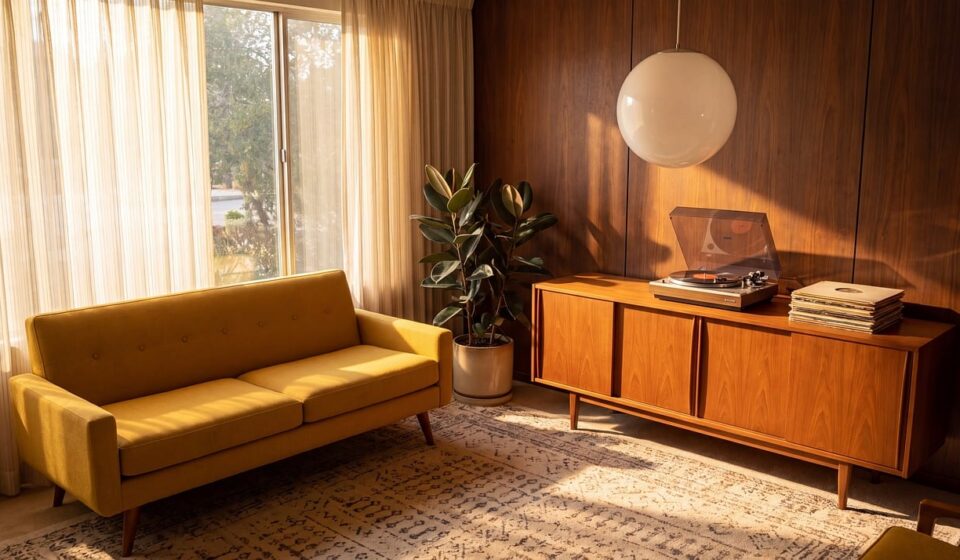
What mid century modern style means in furniture today
Mid century modern style refers to furniture and interiors shaped by the practical design ideas of the mid-20th century, especially the postwar decades from the 1940s through the 1960s. For today’s buyer, it is best understood as a balance of clean lines, warm materials, visual lightness, comfort, and functional construction. It is not simply a room filled with famous chairs or tapered legs. A strong mid-century modern space uses fewer, better-chosen pieces that support daily use while keeping the room open and calm. For more furniture selection articles, browse our buying guides.
Public design records from institutions and makers such as MoMA, the Design Museum, the Eames Foundation, Herman Miller, and Knoll help explain why the style has remained influential. Designers were responding to smaller homes, new manufacturing methods, and materials such as molded plywood, fiberglass, steel, aluminum, plastics, and improved veneers. That history matters because a good buying decision should look beyond surface decoration and ask whether the piece still works well as furniture.

The design DNA behind the look
Clean forms with human scale
The most recognizable mid-century modern furniture forms are simple, but not plain. Sofas often sit low on slim legs. Chairs may have curved backs or molded shells. Case goods commonly use flat fronts, integrated pulls, and long horizontal lines. Tables often rely on a sculptural base rather than heavy carved ornament. The goal is visual clarity: each object has a shape that is easy to read, and the room retains enough empty space for the furniture to breathe.
Warm wood and honest materials
Wood is central to the style, especially walnut, teak, oak, and plywood. Strong examples use grain as part of the design rather than hiding it under heavy paint. At the same time, mid-century modern style was experimental. Museum and manufacturer records from the period connect the look with molded plastic chairs, wire frames, glass tops, tubular metal, cast aluminum, and laminate surfaces. A contemporary room can use these materials, but the mix should feel deliberate: wood for warmth, metal for structure, glass for lightness, and upholstery for comfort.
Color used as an accent, not a costume
Many buyers associate the style with mustard, olive, rust, teal, orange, and black-and-white geometry. Those colors can work, but they are strongest in controlled amounts. A walnut sideboard, neutral sofa, cream walls, and one bold chair will often look more durable than a room filled with every retro color at once.
A buying checklist for mid-century modern furniture
Whether you are buying vintage, newly made, or vintage-inspired furniture, use the same practical checklist. Style should not outrank proportion, stability, comfort, and material quality.
| What to check | What to look for | Why it matters |
|---|---|---|
| Scale | Low profiles, slim arms, raised legs, and enough clearance around the piece | The style depends on visual lightness and open space |
| Joinery | Tight corners, stable legs, smooth drawers, and no wobble | Simple forms expose poor construction quickly |
| Wood and veneer | Consistent grain, well-finished edges, and no lifting veneer | Veneer can be excellent, but damaged veneer is harder to repair |
| Upholstery | Firm support, clean seams, replaceable cushions, and practical fabric | A beautiful frame is frustrating if the seat fails |
| Safety and compliance | For new U.S. furniture, check applicable labels for composite wood, upholstered furniture, and clothing storage units | Style does not replace safety, especially for homes with children |
In the United States, EPA TSCA Title VI rules apply to formaldehyde emissions from regulated composite wood products. CPSC rules also cover issues such as upholstered furniture flammability and stability requirements for many clothing storage units made after September 1, 2023. Buyers do not need to become regulation experts, but labels, product documentation, and seller transparency should be treated as part of the value of a new piece.
Original vintage, licensed classics, and inspired reproductions
There are three common buying paths, and each serves a different purpose. Original vintage pieces offer period character, patina, and sometimes collector value. They also require careful condition checks. Replaced hardware, refinished surfaces, weak joints, odors, broken drawer runners, and old foam can affect both value and everyday use. If a seller claims a designer name, ask for provenance, labels, receipts, or construction details rather than relying on a familiar silhouette.
Licensed classics are generally the most predictable choice for iconic designs. They are made through authorized channels and are usually built to defined specifications. They cost more, but the buyer is paying for design rights, material control, engineering, warranty support, and consistency. For example, public maker records date the Noguchi table to 1948 and the Saarinen Pedestal collection to the late 1950s; authorized versions of such pieces should be described with clear maker information, not vague designer-style wording.
Inspired reproductions can be reasonable when the goal is a look rather than collecting. The key is honesty. A reproduction should not pretend to be an original, and a buyer should judge it by dimensions, materials, joinery, comfort, and after-sales support. Avoid pieces that copy the visual outline but ignore the proportions that made the original work.
How to use the style room by room
Living room
Start with a sofa that has a clean outline, moderate depth, and raised legs. Add one sculptural lounge chair rather than several competing statement pieces. A rectangular walnut coffee table, nesting tables, or a glass-topped table with a shaped base can keep the center of the room light. Use one patterned rug or one bold textile, not both at full volume. See also: built-in furniture.
Dining room
A mid-century dining area works best when the table and chairs are comfortable enough for real meals, not just photographs. Round tables can soften small rooms and encourage conversation. Rectangular tables suit longer rooms and pair well with slender sideboards. If chairs have a dramatic shell or pedestal base, keep the table quieter; if the table is sculptural, choose simpler chairs.
Bedroom and home office
For bedrooms, look for low bed frames, floating nightstands, and storage with long horizontal proportions. In a home office, avoid choosing a chair only because it looks period-correct. A task chair must support long sitting, and a desk must handle cables, lighting, and equipment. Mid-century modern style is rooted in function, so comfort is not a compromise; it is part of the design logic.
Common mistakes that make the style feel dated
- Buying too many icons at once. A room full of recognizable shapes can feel like a showroom rather than a home.
- Ignoring scale. Many mid-century forms are compact, but some lounge chairs and sectionals still need generous space.
- Matching every wood tone. Walnut, teak, and oak can coexist if the contrast looks intentional and the undertones are compatible.
- Using retro color everywhere. One strong accent is usually more effective than a full palette of period colors.
- Confusing old with good. A 1950s or 1960s date does not automatically mean a piece is well designed, safe, or valuable.
Care, durability, and long-term value
Mid-century modern furniture often has slim parts, exposed legs, and broad wood surfaces, so maintenance matters. Use felt pads under legs, avoid dragging case goods, and keep wood away from direct heat and harsh sunlight. Clean veneer gently, and avoid aggressive sanding unless you know the thickness of the surface. For upholstered vintage pieces, inspect foam, springs, straps, and fabric before investing in reupholstery.
If you plan to strip, sand, or repaint an older piece, treat the existing finish as unknown until it has been tested or reviewed by a qualified refinisher. Dry-sanding old coatings indoors can create dust and damage the piece. For new furniture, keep assembly instructions and labels because they can help with future repairs, resale, and safety checks.
Frequently asked questions
Is mid century modern style still practical for modern homes?
Yes, when it is used as a design framework rather than a theme. The clean lines, raised legs, compact storage, and functional shapes fit apartments, family rooms, offices, and open-plan homes. The most current approach is to mix mid-century pieces with contemporary lighting, natural textiles, and personal objects.
What wood is most associated with the style?
Walnut and teak are strongly associated with mid-century furniture, while oak, beech, rosewood, and molded plywood also appear in many period and modern pieces. The right choice depends on room light, budget, maintenance expectations, and whether the buyer wants vintage character or a cleaner new finish.
Can mid-century modern furniture work in a small room?
It often works very well in small rooms because many pieces sit on legs and expose more floor area. Choose compact sofas, armless chairs, nesting tables, wall-mounted shelving, and storage with sliding doors. Avoid oversized lounge chairs or bulky reproductions that keep the look but lose the lightness.
How can I tell if a piece is good quality?
Look for stable construction, smooth drawers, clean seams, balanced proportions, comfortable support, clear material information, and honest seller descriptions. For vintage pieces, condition and repair history matter as much as the designer name. For new pieces, documentation, warranty terms, and safety labels are part of the buying decision.