How to choose furniture board for cabinets, wardrobes, and commercial interiors
Furniture board is not a single material category. In furniture manufacturing, the term usually covers engineered wood panels such as particleboard, MDF, plywood, and decorative-faced boards used for cabinets, wardrobes, shelves, desks, store fixtures, and interior millwork. The right choice depends less on the label and more on what the panel has to do: hold screws, stay flat, carry load, resist moisture, accept a finish, meet emissions requirements, and stay within budget.
For buyers and specifiers, a sound furniture board decision starts with the core panel. The next checks are the surface finish, edge treatment, hardware compatibility, and compliance documents. Only then does price comparison become meaningful. If you are building a material shortlist, compare furniture board within a wider furniture materials specification rather than treating every panel as interchangeable.
What furniture board means in real specifications
In retail language, furniture board is often used as a softer name for particleboard or chipboard. In trade discussions, however, it can describe several panel products designed for furniture production. That distinction matters. A wardrobe side panel, a painted cabinet door, and a long office shelf may all be called furniture board, but they do not need the same physical properties.
A practical definition is this: furniture board is a panel material used as a structural or decorative component in furniture. It may be unfinished, veneered, laminated, melamine-faced, painted, or edge-banded. Its performance is shaped by three linked decisions: the core material, the surface system, and the quality of fabrication.
- Core material: Particleboard, MDF, plywood, blockboard, or another engineered panel.
- Surface: Melamine paper, laminate, veneer, paint, PVC film, UV coating, or a raw panel for later finishing.
- Fabrication: Cutting accuracy, edge sealing, screw choice, connector choice, drilling, and moisture protection.
This is why a low-cost board can work well in a dry, lightly loaded cabinet but fail quickly in a sink unit, a long unsupported shelf, or a commercial fixture that is moved and handled often.
Main furniture board types and where they fit
The common furniture board options are not universally good or bad. Each has a useful place when matched to the right application.
| Board type | Typical strengths | Typical limitations | Common furniture uses |
|---|---|---|---|
| Particleboard | Cost efficient, flat, easy to laminate, suitable for standardized cabinet parts | Lower screw-holding strength than plywood, vulnerable if edges absorb water | Wardrobe carcasses, shelves, office furniture, melamine cabinets |
| MDF | Smooth surface, consistent density, suitable for routed profiles and painted finishes | Heavy, can swell with moisture, needs suitable fasteners and sealed edges | Painted doors, drawer fronts, decorative panels, display fixtures |
| Plywood | Good strength-to-weight ratio, better fastener holding, layered construction | Usually higher cost, visible core quality varies, surface grading matters | Cabinets, drawer boxes, furniture frames, higher-load shelving |
| Melamine-faced board | Ready-to-use surface, easy cleaning, wide color range, efficient production | Edges must be banded well, impact damage can expose the core | Kitchen cabinets, wardrobes, office desks, closets, retail fixtures |
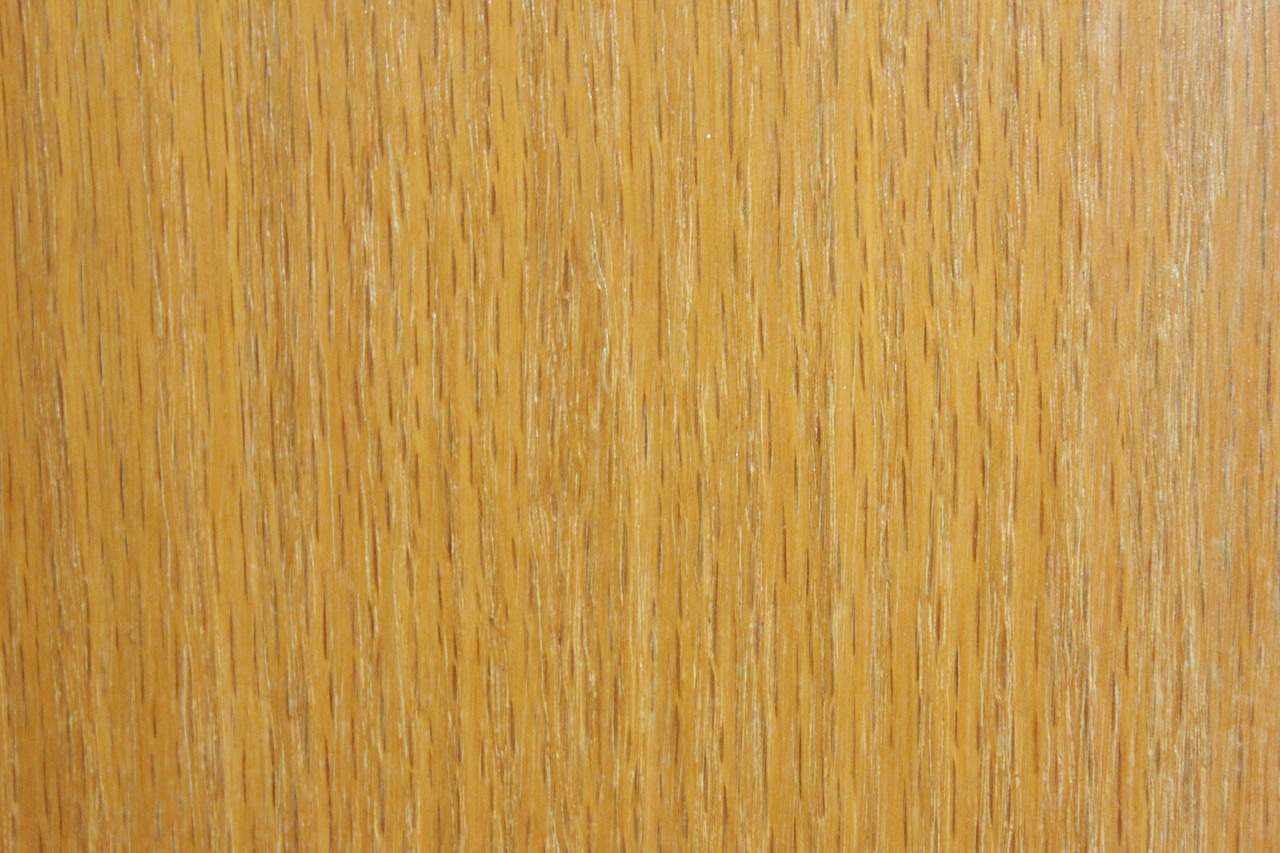
| Veneered board | Natural wood appearance with a stable engineered core | Requires careful finishing and matching, veneer and adhesive compliance must be checked | Premium cabinets, wall panels, tables, hospitality furniture |
Industry standards help turn generic descriptions into measurable requirements. For example, particleboard and MDF are commonly specified with reference to ANSI A208.1 and ANSI A208.2 in North American panel discussions. Hardwood plywood may be specified with reference to decorative hardwood plywood standards. A project document that only says furniture board, without density, thickness, grade, finish, or compliance requirements, leaves too much room for substitution.
Performance factors that matter before price
Thickness and span
Thickness is one of the first numbers buyers compare, but it does not work on its own. A 16 mm or 18 mm board may be common for cabinet sides. Shelves, desktops, and commercial counters may need thicker panels, shorter spans, support rails, or a stronger core. A long shelf made from a low-density board can sag even when the surface finish looks premium.
For shelves and horizontal parts, clarify three points before approving the board: the unsupported span, the expected load, and whether the load is static or frequently moved. Books, appliances, files, and merchandise put different stress on a panel than clothing or decorative items.
Density and internal bond
Density affects weight, machining, screw performance, and edge quality. Very light panels can reduce shipping cost and make installation easier, but they may not hold fasteners as well. Very dense panels can feel solid and machine cleanly, but they add weight and may be harder on cutting tools.
Internal bond strength is especially important for particleboard and MDF because it describes how well the panel holds together through its thickness. When boards split around screws, crumble at the edges, or fail near cam connectors, the issue is often a mismatch between board quality, connector design, and drilling accuracy.
Moisture exposure
Most furniture board used in cabinets and interiors is intended for dry interior use. Moisture-resistant options can reduce swelling risk, but they do not make a panel waterproof. Sink cabinets, laundry rooms, bathroom vanities, food-service counters, and humid storage areas need extra caution. Edge sealing, back-panel ventilation, kickboard protection, and fast repair of leaks are as important as the board choice itself.
Plywood often tolerates incidental moisture better than standard MDF or particleboard, but plywood is not immune to delamination, veneer checking, or finish damage. If the furniture will face repeated wetting, the specification should cover the full assembly, not only the board name.
Surface finish and edge treatment often decide durability
Many furniture failures start at the edge, not on the face. A melamine or laminate surface can be easy to clean, but cut edges expose the core. If those edges are poorly banded, moisture and impact can cause swelling, chipping, or peeling. For kitchens, wardrobes, offices, and hotels, edge quality is a functional detail, not just a cosmetic one.
Common edge options include thin PVC, ABS, veneer tape, solid wood lipping, and laser or hot-air applied banding systems. The right choice depends on design level, traffic, humidity, and repair expectations. High-contact furniture, such as office desks and retail counters, usually needs stronger edge protection than a low-use storage cabinet. See also: built-in furniture.
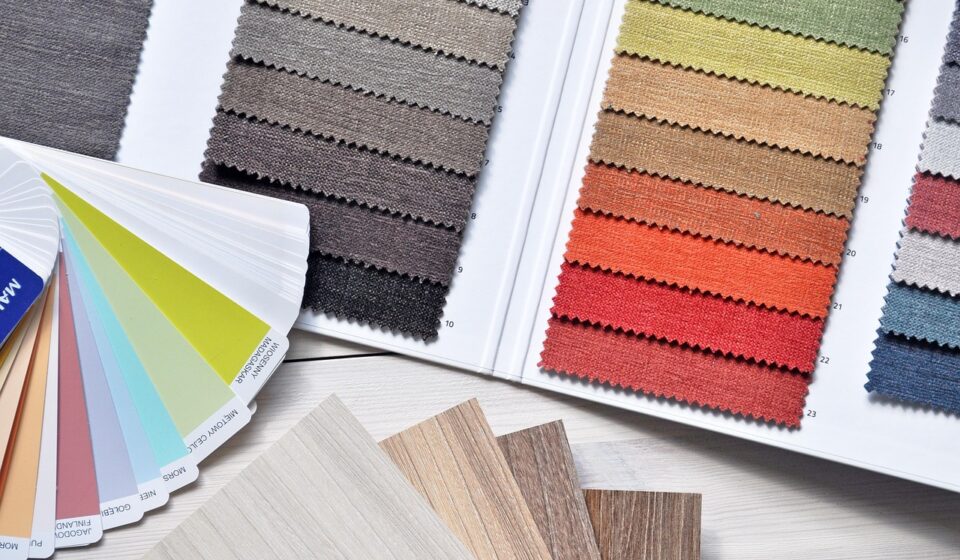
The surface finish should also match the application. Melamine-faced furniture board is practical for many cabinets because it is consistent and efficient. Laminate can provide higher impact and wear resistance depending on grade. Veneer gives a natural wood appearance but requires more attention to finishing, color matching, and substrate stability. Painted MDF is useful for smooth cabinet doors and profiles, provided the edges are prepared well to avoid visible absorption and roughness.
Compliance and sourcing checks buyers should not skip
Furniture board is closely linked to indoor air quality because many composite wood products use resin systems. For projects sold in or imported into the United States, the U.S. Environmental Protection Agency identifies hardwood plywood, medium-density fiberboard, and particleboard as regulated composite wood products under TSCA Title VI formaldehyde standards. The EPA consumer guidance also states that regulated composite wood panels and finished goods containing them must be labeled as TSCA Title VI compliant when applicable.
California’s Air Resources Board regulates composite wood products through its formaldehyde Airborne Toxic Control Measure. CARB describes the program as covering hardwood plywood, particleboard, MDF, and finished goods such as cabinets, desks, and countertops when sold, supplied, used, or manufactured for sale in California. EPA guidance explains that the federal emission limits are aligned with the CARB Phase 2 limits, although some recordkeeping, import, and laminated product requirements differ.
A current sourcing check should rely on documentation, not marketing wording alone. Ask suppliers for the panel producer name, lot traceability, the applicable compliance statement, and any third-party certification information required for the destination market. Since March 22, 2024, EPA laminated product provisions have also become more important for some veneer-laminated products, especially where a wood or woody grass veneer is attached to a regulated platform with certain resin systems.
Environmental claims should be checked separately. FSC or PEFC certification can support responsible wood-sourcing claims when valid chain-of-custody documentation is available, but forest certification is not the same as formaldehyde emissions compliance. A board can have a wood-origin certificate and still require separate emissions documentation.
How to match furniture board to common applications
An application-based selection is more useful than asking for the strongest or cheapest board. In furniture manufacturing, over-specifying wastes money, while under-specifying creates warranty risk and a poor user experience.
| Application | Suitable board direction | Specification notes |
|---|---|---|
| Wardrobe carcasses | Melamine-faced particleboard or MDF | Check thickness, edge banding, connector strength, and back-panel stiffness. |
| Painted cabinet doors | MDF or moisture-resistant MDF where appropriate | Seal edges carefully and confirm paint system compatibility. |
| Kitchen base cabinets | Moisture-resistant particleboard, plywood, or suitable MDF depending on budget and exposure | Protect sink areas, plinths, and cutouts against moisture. |
| Long shelves | Plywood, thicker MDF, or supported particleboard | Limit unsupported span and add front lipping or metal support where needed. |
| Commercial fixtures | Laminate-faced MDF, plywood, or higher-grade particleboard | Prioritize impact resistance, replaceable parts, and stronger edges. |
| Veneered premium furniture | Veneered MDF or plywood | Specify veneer species, matching method, finish, and compliance documents. |
For cost-sensitive furniture, particleboard can be a rational choice when the environment is dry, spans are controlled, and edges are well sealed. For painted decorative parts, MDF often gives a cleaner surface than particleboard. For load-bearing parts, repeated assembly, or screw-heavy construction, plywood or a higher-performance engineered panel may justify the higher cost.
Common mistakes when specifying furniture board
- Using one board for every part: A cabinet may need different boards for doors, sides, shelves, backs, and toe kicks.
- Comparing only thickness: Two 18 mm boards can differ in density, internal bond, surface quality, emissions documentation, and screw performance.
- Ignoring edges: Unsealed cutouts, thin edge tape, and poor adhesive application can shorten service life.
- Assuming moisture-resistant means waterproof: Moisture-resistant boards still need design protection and correct installation.
- Accepting vague compliance claims: Phrases such as eco board or low emission should be backed by applicable documents for the market where the furniture will be sold.
- Forgetting hardware compatibility: Hinges, cam locks, drawer slides, and screws must suit the board density and thickness.
Frequently asked questions
Is furniture board the same as particleboard?
Not always. Some retailers use furniture board to mean particleboard, especially in ready-to-assemble furniture. In manufacturing, the term can also include MDF, plywood, melamine-faced panels, and veneered boards. Always confirm the exact core material.
Is MDF or particleboard better for furniture?
MDF is usually better for smooth painted surfaces, routed profiles, and decorative doors. Particleboard is often more cost efficient for laminated cabinet carcasses and flat panels. The better choice depends on finish, load, moisture risk, hardware, and budget.
Can furniture board be used in kitchens and bathrooms?
Yes, but the specification must address moisture. Standard boards should be protected from leaks and steam. For sink areas, vanities, and humid rooms, consider moisture-resistant panels, stronger edge sealing, suitable backs, and careful installation details.
What compliance label should buyers look for in the United States?
For regulated composite wood products and finished goods containing them, buyers should look for TSCA Title VI compliance information when applicable. California-bound products may also require attention to CARB composite wood product rules. Documentation should match the product, producer, and lot, not just a general sales claim.
What is the most important specification for furniture board?
There is no single most important specification. A reliable furniture board specification normally includes board type, thickness, density or grade where relevant, surface finish, edge treatment, moisture requirement, hardware compatibility, and emissions compliance for the target market.