Sunbrella fabric outdoor furniture and what to know before buying cushions

Why Sunbrella is widely used for outdoor furniture
Sunbrella fabric outdoor furniture is widely specified because it addresses three common problems in patio seating: sunlight, spills, and routine cleaning. Sunbrella describes its core upholstery fabrics as 100% solution-dyed acrylic, meaning the color is added into the fiber before the yarn is made rather than printed only on the fabric surface. That construction is a key reason the fabric is known for strong fade resistance in outdoor applications.
For homeowners, designers, and furniture buyers, the practical advantage is clear. Sunbrella is often a lower-risk specification when outdoor cushions will sit in direct sun, face regular rain exposure, or need repeated cleaning. It is commonly used for cushions, pillows, sling seating, umbrellas, marine upholstery, and indoor-outdoor pieces.
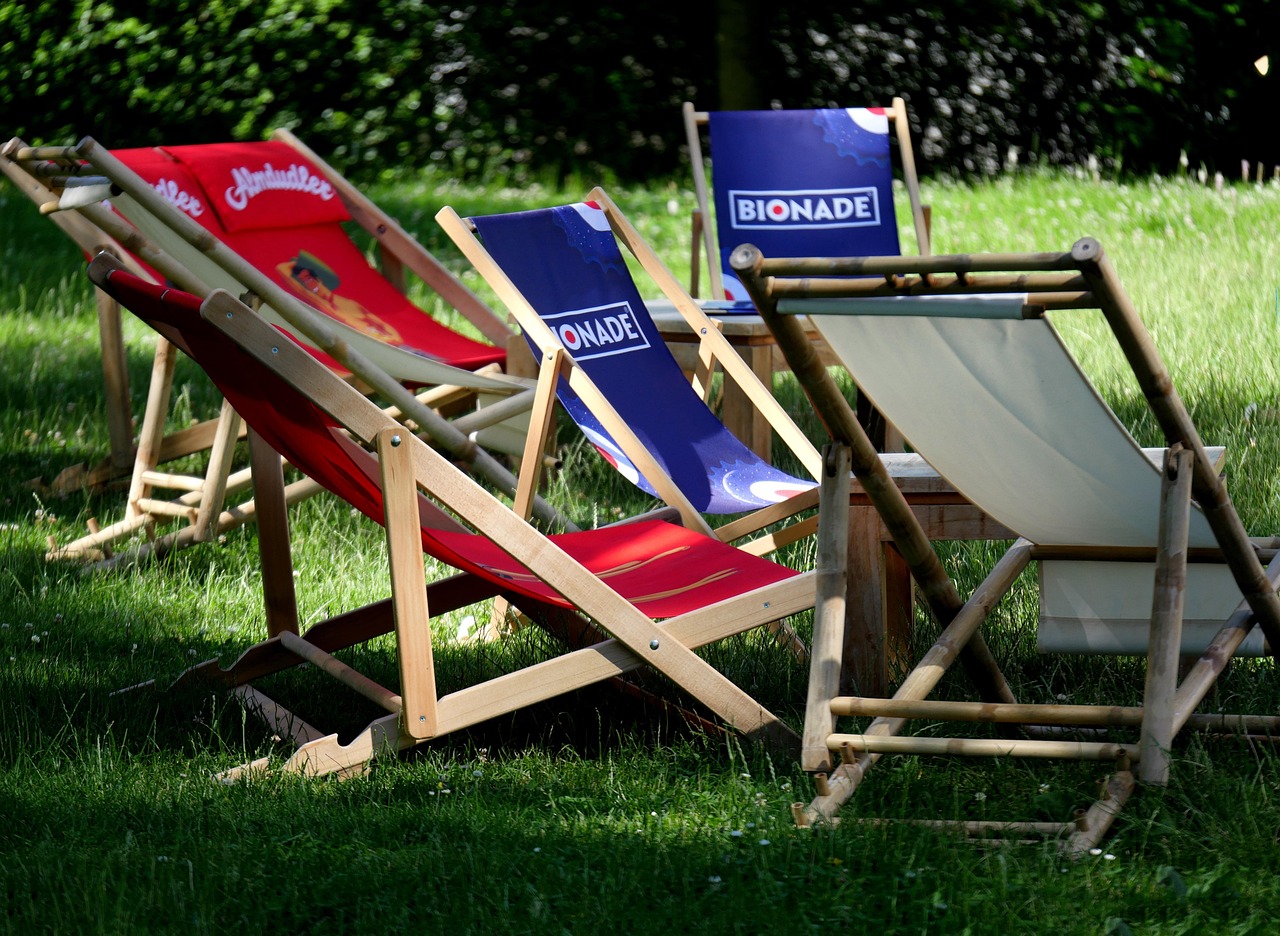
The fabric still needs to be judged as part of the whole furniture system. A long-lasting outdoor sofa also depends on cushion foam, drainage, seam quality, frame material, storage habits, and whether the furniture is fully exposed or protected under a porch. Sunbrella can improve the textile side of the product, but it cannot fix a cushion that traps water or a frame that fails early.
For more background on material selection in furniture projects, see the furniture materials section.
How solution-dyed acrylic affects color and durability
The defining feature of most Sunbrella outdoor upholstery is solution-dyed acrylic. In simple terms, pigment is mixed into the acrylic fiber before it is spun into yarn. This is different from piece-dyed or printed fabrics, where color is added after the textile has already been formed.
That difference matters outdoors. UV exposure is one of the main reasons lower-cost outdoor cushions lose color. When pigment sits closer to the surface, fading can become visible faster, especially on south-facing patios, pool decks, balconies, and rooftop seating areas. With solution-dyed acrylic, the color runs through the fiber, so normal wear and cleaning are less likely to expose an undyed core.
Sunbrella’s own product information also notes that its performance does not rely only on a surface finish that can quickly wash away. This does not make the fabric indestructible. Abrasion, pollution, chlorine, sunscreen, tree sap, animal stains, and improper cleaners can still affect the appearance of outdoor furniture. It does mean the colorfastness mechanism is built into the fiber rather than depending entirely on a topical coating.
For buyers comparing outdoor fabrics, the phrase “solution-dyed” is worth checking. A product labeled simply as “outdoor fabric” may be polyester, olefin, acrylic, or a blend, and the dye method may vary. Two cushions can look similar in a showroom but perform differently after several seasons in strong sun.
Water resistance, mildew resistance, and common misunderstandings
One common misunderstanding is that all Sunbrella fabric is waterproof. The more accurate answer depends on the product line. Sunbrella’s help materials explain that its fabrics range from water-resistant to waterproof. Standard outdoor upholstery should generally be treated as water-resistant, not as a sealed waterproof barrier.
Water resistance is still useful. It helps rain and spills bead or shed from the surface, especially when the finish is fresh. But if cushions sit through long storms, water can still enter through seams, zippers, welt cords, foam, and other construction details. This is why drainage and cushion design matter as much as the face fabric.
Mildew resistance also needs context. Sunbrella’s upholstery care guide states that the fabric itself does not promote mildew growth, but mildew can grow on dirt, organic debris, and other substances left on the surface. In practice, outdoor furniture under trees, near landscaping, or beside pools still needs cleaning. Leaves, pollen, food residue, soil, and bird droppings can become the real problem even when the fabric is mildew resistant.
The right expectation is straightforward: Sunbrella can reduce textile-related problems and make cleaning easier, but outdoor furniture still needs airflow, drying time, and basic care. Cushions that stay damp in shaded corners are more likely to develop odor or surface growth than cushions that dry quickly after rain.
How to clean and maintain Sunbrella outdoor cushions
Cleaning is one of Sunbrella’s main practical advantages. The company’s upholstery care guide recommends mild soap and lukewarm water for routine cleaning, using a soft bristle brush or sponge and rinsing thoroughly. For removable casings, some covers may be machine washed in cold water on a delicate cycle. Buyers should still check the furniture manufacturer’s instructions before removing covers, because cushion construction varies.
For non-removable upholstery, seam-to-seam cleaning is important. Rubbing only the stained area can leave water rings or uneven residue. Cleaning the full panel from seam to seam helps the surface dry more evenly and look more consistent.
- Brush off loose dirt before it becomes embedded.
- Clean spills early instead of allowing them to set.
- Use mild soap and water for routine soil.
- Rinse thoroughly so soap residue does not attract more dirt.
- Air dry only; avoid machine drying.
- Avoid hard brushes or abrasive methods that can damage the surface.
For mold and mildew on outdoor upholstery, Sunbrella’s care guide gives a stronger cleaning mixture: 1 cup of bleach and 1/4 cup of mild soap per gallon of water, followed by soaking, gentle brushing, thorough rinsing, and air drying. The guide also warns users to protect surrounding materials because bleach can discolor non-Sunbrella fabrics and adjacent surfaces.
After repeated deep cleaning or long exposure, water repellency may decline. Sunbrella’s care information notes that a fabric protector or repellent can be used to refresh performance after the fabric is cleaned and fully dry. This should be viewed as maintenance, not as proof that the original fabric failed. Outdoor textiles often need periodic care because rain, abrasion, cleaning, and environmental exposure gradually change surface behavior.
Sunbrella compared with olefin and polyester outdoor fabrics
Sunbrella is not the only outdoor upholstery option. Olefin and polyester are widely used in patio furniture, especially in mid-market and value-oriented products. Each material can work well when it is matched to the right exposure level, budget, and expected service life.
| Fabric type | Common strengths | Common limitations | Good fit |
|---|---|---|---|
| Solution-dyed acrylic such as Sunbrella | Strong fade resistance, outdoor cleanability, broad design range | Usually higher cost; performance still depends on cushion construction | Full-sun patios, premium cushions, replacement upholstery, long-term use |
| Olefin | Good moisture resistance, often economical, lightweight | Quality varies; texture and long-term appearance depend on yarn and weave | Budget-friendly outdoor seating, covered patios, casual cushions |
| Polyester outdoor fabric | Wide design range, accessible pricing, common in retail cushions | Fade resistance depends heavily on dye method and finish | Seasonal furniture, covered areas, decorative cushions with lower exposure |
The decision should be based on exposure and expected service life. If cushions will be used for one or two seasons in a shaded or covered space, a lower-cost fabric may be reasonable. If the furniture is expensive, difficult to replace, or exposed to intense sun, the higher upfront cost of Sunbrella may make sense because the textile is less likely to be the first visible failure point. See also: built-in furniture.
Buyers should also separate brand, fiber, and product line. “Sunbrella” is a brand, “solution-dyed acrylic” refers to a fiber and dye method, and “outdoor upholstery” is an application. Not every performance fabric is Sunbrella, and not every Sunbrella product is designed for the same end use. Always check the specific fabric label or product sheet rather than relying only on a showroom description.
What to check before buying Sunbrella fabric outdoor furniture
A practical buying decision should look beyond the word Sunbrella on a tag. Use the fabric claim as a starting point, then evaluate the whole furniture system.
Confirm the exact fabric and application
Ask whether the material is Sunbrella upholstery fabric, Sunbrella Sling, Sunbrella Rain, a marine product, or another line. Different Sunbrella products can have different performance characteristics. For cushion seating, upholstery fabric is the usual category, while sling fabric is used for taut seating surfaces and certain chair constructions.
Check the warranty language
Sunbrella’s published five-year limited warranty for upholstery fabrics covers the fabric becoming unserviceable due to loss of color, loss of strength, abrasion, or pilling under normal usage and exposure conditions, subject to stated exclusions. Warranty terms can change, so buyers should review the document available at the time of purchase and keep proof of purchase.
Inspect cushion construction
Good outdoor cushions need more than premium fabric. Look for fast-drying foam or proper fill, breathable construction, drainage features, quality stitching, and zippers that allow maintenance when appropriate. If water has nowhere to go, even a durable cover can surround a cushion core that stays wet too long.
Match color and texture to exposure
Darker colors can absorb more heat, while very light colors may show dirt faster. Textured weaves can create a richer indoor-style look but may hold debris differently than smoother fabrics. For dining areas, poolside seating, or homes with pets, cleanability may matter more than a delicate texture.
Verify certifications at product level
Sunbrella materials describe certifications such as OEKO-TEX STANDARD 100 verification for certain upholstery fabrics and GREENGUARD Gold certification for certain lines. These claims should be checked at the specific product level because certification coverage may vary by collection, market, and product type.
When Sunbrella is worth the upgrade
Sunbrella is most compelling when replacement would be expensive, exposure is high, or the furniture is intended to remain in use for several years. Deep seating sets, built-in banquettes, hospitality patios, roof terraces, and poolside loungers are examples where fabric failure can be costly or highly visible.
It may be less necessary for temporary cushions, decorative pillows that are stored indoors, or furniture used only under a covered porch. In those cases, a good olefin or outdoor polyester may meet the budget and performance requirement. The key is to avoid paying for performance that the setting does not demand, while also avoiding under-specified fabric in harsh conditions.
The stronger buying case for Sunbrella is not one marketing claim. It is the combination of fiber-level color, cleanability, water and stain resistance, mildew-resistant behavior, documented care procedures, and a known warranty framework. That combination makes it easier for buyers to evaluate risk before purchasing outdoor furniture.
Frequently asked questions
Is Sunbrella fabric good for outdoor furniture?
Yes. Sunbrella is a strong option for outdoor furniture, especially when cushions face regular sun, rain, and cleaning. Its solution-dyed acrylic construction helps with fade resistance, while its care instructions support routine washing and, when needed, stronger mildew cleaning.
Is Sunbrella waterproof?
Not all Sunbrella fabric is waterproof. Many outdoor upholstery fabrics should be understood as water-resistant. Some specialized Sunbrella products are designed for higher water protection, but buyers should confirm the exact product line before assuming waterproof performance.
Can Sunbrella cushions stay outside in the rain?
They can handle outdoor exposure, but they perform better when they are allowed to dry fully after rain. If cushions remain wet for long periods, moisture can affect foam, seams, and debris on the fabric surface even when the face fabric is mildew resistant.
Can you use bleach on Sunbrella outdoor fabric?
Sunbrella’s upholstery care guide allows a diluted bleach and mild soap solution for mold and mildew cleaning. The fabric should be rinsed thoroughly and air dried, and nearby non-Sunbrella materials should be protected because bleach may discolor them.
Is Sunbrella better than polyester for patio cushions?
For full-sun, long-term outdoor seating, Sunbrella’s solution-dyed acrylic construction is often a more durable specification than basic outdoor polyester. However, high-quality polyester may still be suitable for covered areas, seasonal use, or budget-conscious furniture where exposure is limited.