How to choose metal deck furniture for weather, weight and finish
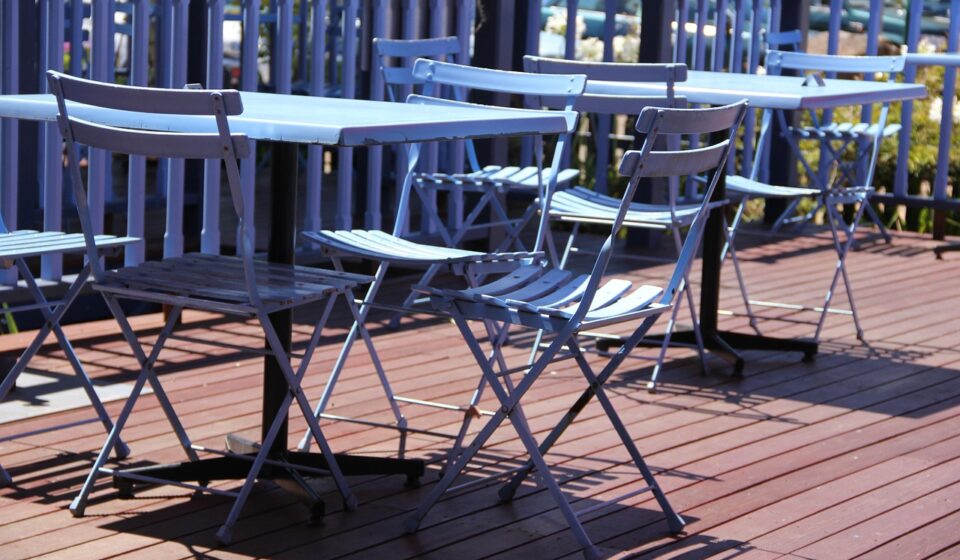
Quick answer for metal deck furniture
Metal deck furniture is worth considering when a deck needs outdoor seating that is stable, clean-lined and easier to maintain than many soft or porous materials. The durable option is rarely defined by metal alone. It depends on the frame alloy, surface preparation, finish system, fasteners, feet and a realistic maintenance plan. For many residential decks, powder-coated aluminum offers a useful balance of low weight and corrosion resistance. Steel is stiffer and often economical, but its service life depends heavily on coating integrity. Stainless steel is valuable for hardware and coastal details, while iron adds weight but also raises rust and deck-load concerns. For more material comparisons, see the furniture materials section.
Compare the main metal options before comparing styles
A common buying mistake is to start with color and silhouette. Outdoor performance starts with the frame material. A black chair made from aluminum, powder-coated carbon steel or cast iron may look similar online, but each material reacts differently to rain, sun, salt air, freeze-thaw cycles and daily foot traffic.
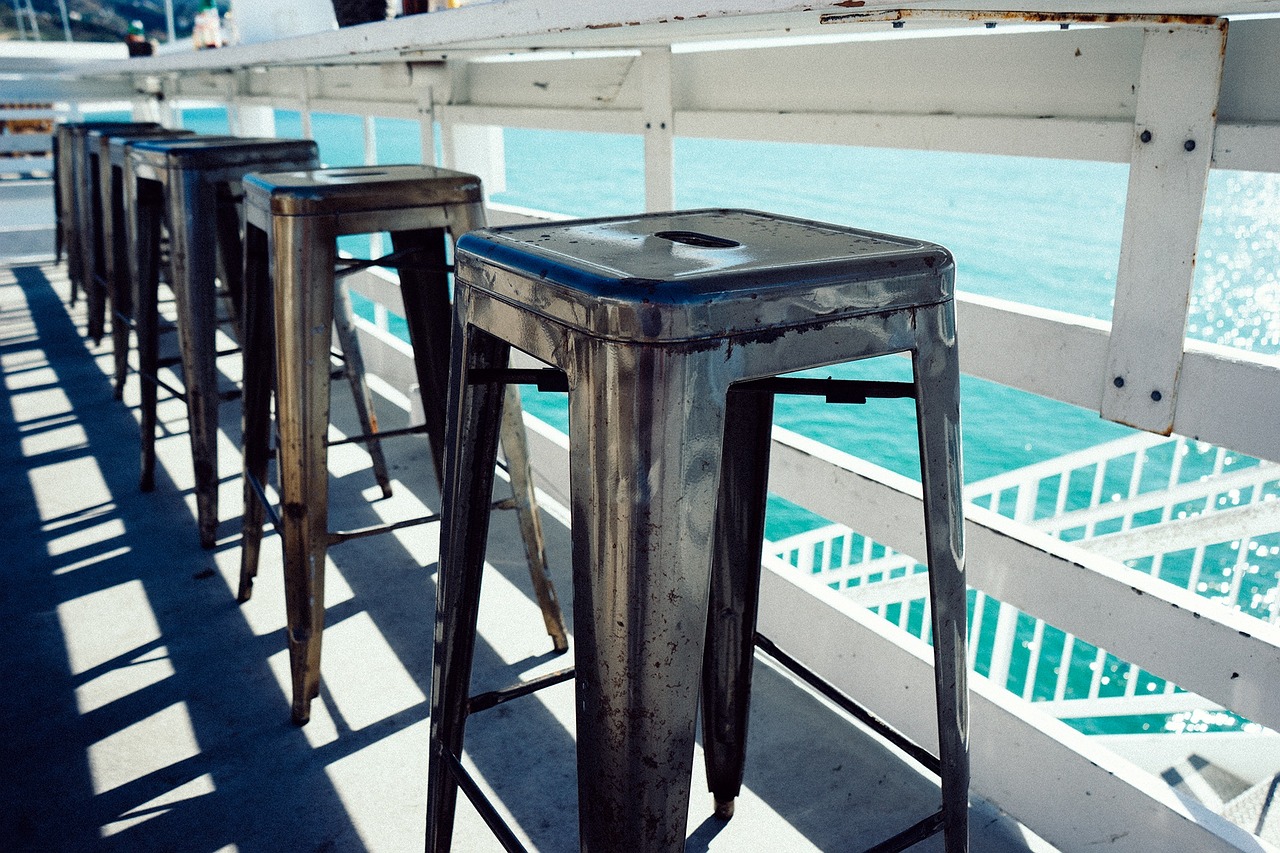
| Material | Where it performs well | Main limitation | What to check |
|---|---|---|---|
| Powder-coated aluminum | Residential decks, rooftop terraces, poolside areas and movable seating | Thin tubing can flex or dent; finish damage can expose edges | Wall thickness, weld quality, drain holes, coating coverage and non-marking feet |
| Powder-coated steel | Dining sets, benches and furniture that needs stiffness at moderate cost | Can develop red rust if coating chips or water enters seams | Sealed joints, underside coating, corrosion-resistant fasteners and touch-up guidance |
| Stainless steel | Fasteners, brackets, coastal hardware and modern furniture accents | Can still stain in marine or polluted environments | Grade selection, surface finish, passivation and cleaning instructions |
| Cast or wrought iron | Windy decks where weight helps keep furniture in place | Heavy point loads and high rust risk if paint fails | Deck capacity, foot pads, coating condition and winter storage plan |
Aluminum is popular because it does not red-rust like carbon steel and is light enough to move for cleaning or seasonal storage. That same lightness can be a drawback on exposed decks, where wind may move chairs, side tables or umbrellas. Steel feels solid and can be cost-effective, but it needs careful detailing because water trapped inside tubing, under caps or around welds can start corrosion out of sight.
Stainless steel needs a more precise discussion. It is corrosion resistant, not corrosion proof. The Australian Stainless Steel Development Association explains that stainless surfaces can develop tea staining near surf, especially when salt deposits remain on sheltered or rough surfaces. Its guidance recommends grade 316, or equivalent corrosion resistance, as a minimum within about five kilometres of surf. For deck furniture, that makes 316 stainless especially relevant for screws, bolts, brackets, glides and exposed hardware in coastal locations.
Finish quality matters more than the words powder coated
Powder coating is often used as a selling point, but the phrase alone does not prove long-term outdoor durability. A reliable finish depends on cleaning, pretreatment, powder chemistry, film build, curing, edge coverage and handling after coating. Poor surface preparation can make an attractive finish peel or chip early, especially at welds, corners and screw holes.
For aluminum, useful reference language comes from architectural coating standards. On May 19, 2026, the Fenestration and Glazing Industry Alliance announced updated AAMA 2603-26, AAMA 2604-26 and AAMA 2605-26 documents for pigmented organic coatings on aluminum extrusions and panels. These standards are written for architectural aluminum, not patio furniture warranties, but they give specifiers a practical vocabulary for exterior coating performance. In simple terms, AAMA 2603 is the lower exterior performance category, AAMA 2604 is a high-performance category, and AAMA 2605 is the more demanding category for long-term exterior weatherability.
That does not mean every chair must claim an AAMA finish. Many furniture frames are fabricated differently from window or facade extrusions. However, when a supplier can describe its pretreatment, powder chemistry, salt-spray testing, UV exposure testing or coating class in specific terms, the claim is more useful than a generic phrase such as outdoor grade finish.
- Ask whether the frame is coated after welding, not only before fabrication.
- Check whether the underside, inside edges and bolt holes receive protective coverage.
- Look for drain paths so water cannot sit inside hollow tubes.
- Avoid furniture where plastic caps trap water against unfinished metal.
- For steel, ask whether a primer or zinc-rich layer is used beneath the topcoat.
Color also affects day-to-day use. Dark finishes can become hot in full sun and may show chalking, dust or scratches more clearly. Light finishes can show mildew, tannin stains or black marks from covers. The practical goal is not just a fashionable color; it is a finish system that can be cleaned, touched up and inspected without damaging the deck beneath it.
Match the furniture to the deck surface
A good metal frame can still perform poorly if it is paired with the wrong deck surface. Wood, composite, concrete pavers, tile, rooftop membranes and metal decking all create different risks. The main questions are weight distribution, water drainage, surface marking and metal compatibility.
Heavy furniture is not automatically unsafe, but concentrated point loads deserve attention. A cast iron table with small feet can press into softer wood or composite boards more aggressively than a wider aluminum set with broad glides. On older decks, raised decks or rooftop terraces, the safest approach is to confirm the deck structure and follow local building guidance before adding heavy planters, large dining tables or clustered seating.
Feet and glides are small parts with large consequences. Bare metal feet can scratch coatings, stain wood, abrade composite decking and leave rust marks on stone or concrete. Non-marking polymer glides, rubber pads or replaceable feet help spread load and interrupt moisture contact. They also need inspection, because worn feet can expose screws or metal edges that damage the deck surface.
Pressure-treated wood deserves special care. Industry guidance from the American Wood Protection Association and treated wood suppliers commonly recommends corrosion-resistant fasteners and compatible hardware for exterior treated wood. For furniture, this translates into a simple practice: avoid long-term direct contact between bare metal and wet treated lumber when a protective glide, pad or membrane can separate them. This is especially important where rainwater, salt or cleaning chemicals may collect under furniture feet.
On metal balconies and steel-framed decks, use isolation pads where dissimilar metals may remain wet together. Galvanic corrosion needs an electrolyte such as water, so details that dry quickly matter as much as the metal choice. Furniture should not block drainage grooves or create debris traps against railings and wall edges.
Use structural and safety checks, not material names alone
Material names do not guarantee safe furniture. A thin aluminum chair with weak welds can fail faster than a heavier steel chair with better fabrication. A 2026 U.S. Consumer Product Safety Commission recall involving powder-coated aluminum outdoor restaurant chairs and barstools concerned a fall hazard, illustrating that the words powder coated and aluminum do not replace structural testing and quality control.
For commercial decks, hospitality spaces and shared multifamily amenities, buyers should ask for evidence of load, stability and durability testing. BIFMA has noted that general ANSI/BIFMA furniture standards focus on safety and durability of use but do not currently address outdoor climates. Its 2025 outdoor furniture whitepaper reflects why exterior conditions need separate attention, including accelerated weathering, rain-freeze cycling and salt-fog exposure around welds and fasteners.
For residential buyers, the same logic becomes a practical inspection checklist: See also: built-in furniture.
- Press gently on chair arms and backs to feel for excessive flexing.
- Inspect welds for gaps, pinholes, rough grinding or exposed bare metal.
- Check whether the chair sits flat without rocking on a level surface.
- Look under seats and table edges, where unfinished metal is often hidden.
- Confirm that fasteners are stainless, coated or otherwise suitable for exterior use.
- Choose wider feet for softer decking and windy locations.
- For stackable chairs, check whether stacking points scrape the finish.
Wind is another safety issue. Lightweight metal deck furniture is convenient, but chairs, side tables and umbrellas can move in storms. In exposed sites, consider heavier frames, storage clips, foldable pieces that can be brought inside, or layouts that do not place loose items near glass railings or roof edges.
Plan maintenance before the first season ends
Metal deck furniture is often sold as low maintenance, but low maintenance is not the same as no maintenance. The most effective routine is simple: keep surfaces clean, remove salts and leaf debris, repair chips early, and prevent furniture feet from sitting in trapped water.
For powder-coated aluminum or steel, wash with mild soap and water, rinse thoroughly and dry areas where water tends to collect. Avoid abrasive pads that can dull the finish. If a chip exposes bare steel, clean the area and apply a compatible touch-up coating before rust spreads beneath the coating. On aluminum, coating damage may not create red rust, but it can still lead to staining, oxidation and edge lifting.
For stainless steel, regular washing is especially important in coastal air. Salt deposits can remain damp and promote surface staining. Avoid chlorine-based cleaners, bleach residues and harsh acidic cleaners on stainless surfaces. A smooth, clean surface is easier to maintain than a rough brushed finish that holds deposits.
Furniture covers can help, but only if they breathe. A tight cover that traps condensation against metal may do more harm than light rain exposure followed by drying. Choose covers with vents, remove wet cushions, and uncover furniture periodically during humid weather. If the deck is under trees, clear leaves and pollen from corners, seams and glides because organic debris holds moisture.
At the end of each season, tighten loose fasteners, replace missing glides, clean drain holes and inspect the underside of seats and tables. Winter storage is useful for steel and iron furniture in freeze-thaw climates. If storage is not possible, lift pieces slightly on pads so the feet do not freeze into standing water or snow.
Specification checklist for better buying decisions
When comparing metal deck furniture, a short specification list can prevent expensive mistakes. The list does not need to be complicated, but it should go beyond size, color and price.
- Environment: inland, coastal, poolside, rooftop, shaded, full sun or freeze-thaw exposure.
- Frame metal: aluminum for lighter movement, steel for stiffness, stainless for hardware, iron only where deck load and rust maintenance are acceptable.
- Finish: powder coating or paint system with stated pretreatment, outdoor performance and repair guidance.
- Fasteners: stainless steel or exterior-rated coated fasteners, especially near salt air or treated wood.
- Feet: wide, replaceable, non-marking glides suited to the deck surface.
- Drainage: no water traps inside tubes, caps, seams or underside pockets.
- Serviceability: replaceable slings, cushions, glides and hardware.
- Documentation: care instructions, warranty exclusions and any available test references.
The strongest buying decision is usually the one that matches the furniture to the location. A shaded inland deck may perform well with a modest powder-coated aluminum set. A restaurant terrace near salt water needs more rigorous hardware, coating and inspection requirements. A windy roof deck may need heavier frames or storage rules. The right metal deck furniture is therefore not only a design choice; it is a material compatibility decision.
Frequently asked questions
Is aluminum or steel better for metal deck furniture?
Aluminum is usually easier to move and more naturally resistant to red rust, making it a practical choice for many residential decks. Steel is stronger and stiffer for its size, but it relies more heavily on coatings, sealed joints and maintenance. The better choice depends on wind exposure, deck capacity, budget and how much upkeep the owner accepts.
Does powder-coated metal deck furniture rust?
Powder-coated steel can rust if the coating is chipped, scratched or poorly applied, especially around welds and trapped-water areas. Powder-coated aluminum will not develop red rust like carbon steel, but coating damage can still cause staining, oxidation or peeling at edges. Finish quality and maintenance matter as much as the coating label.
What metal is suitable for coastal decks?
Coastal decks need materials and details that resist salt deposits. Powder-coated aluminum with good pretreatment is common, and 316 stainless steel is a sensible choice for exposed fasteners and hardware. Even stainless steel should be washed regularly in marine air because salt can cause surface staining.
Can heavy metal furniture damage a deck?
It can if the furniture has small feet, sharp edges or high concentrated loads. Heavy tables, iron benches and large planters should be checked against the deck structure, especially on older wood decks and rooftop terraces. Wide non-marking glides help spread load and reduce scratching.
How long should metal deck furniture last?
There is no universal lifespan because exposure, coating quality, frame design and care vary widely. Furniture that drains well, has a durable finish, uses exterior-rated hardware and is cleaned regularly should last longer than similar-looking furniture with thin coatings, hidden water traps and worn feet.