Raw iron patio furniture vs wrought iron and steel for outdoor spaces
What raw iron patio furniture usually means
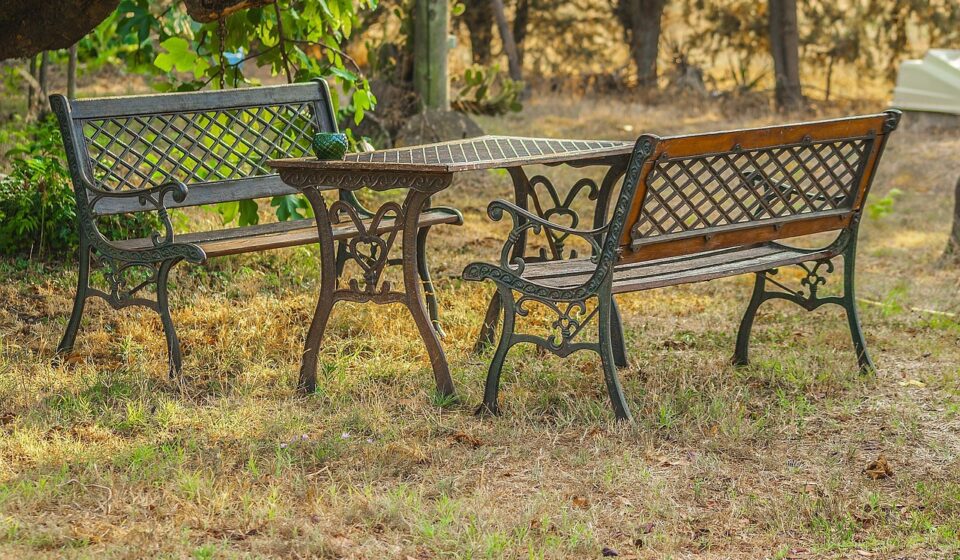
Raw iron patio furniture appeals to buyers, homeowners and designers who want outdoor seating with weight, traditional detailing and a dark architectural look. The key point is that “raw iron” is not a precise modern furniture material category. In retail language, it may describe unfinished iron, wrought-iron-style furniture, cast iron elements, or mild steel furniture marketed with an iron look. For outdoor use, that distinction matters because bare iron and ordinary steel react with moisture and oxygen. Without a suitable finish, they can rust, stain nearby paving and eventually lose strength.
The practical buying question is not only “Is it iron?” It is also “What metal is it, how is it protected, and how easy will it be to maintain in this climate?” A heavy black metal dining chair may look like iron, but its outdoor performance depends on coating quality, welds, drainage, fasteners and whether chips can be repaired before corrosion spreads.
The material behind the label
Outdoor furniture descriptions often use metal terms loosely. Knowing the main categories helps prevent disappointment after the first rainy season.
Raw or unfinished iron
Raw iron generally means the metal surface is not painted, powder coated, galvanized or otherwise sealed. It may be selected for a rustic appearance, handmade garden objects, salvage pieces or decorative projects where an oxidized surface is part of the design. On a fully exposed patio, however, an unprotected iron surface is a high-maintenance choice. It can develop orange-brown rust quickly when exposed to rain, sprinklers, dew or humid air.
True wrought iron
Historically, wrought iron was worked by hammering and rolling rather than casting. It is associated with gates, railings, garden benches and ornamental metalwork. Historical and preservation references commonly note that genuine wrought iron is no longer made at broad commercial scale in the way it once was. As a result, many modern “wrought iron” patio sets are better understood as wrought-iron style: steel or iron-based frames shaped into traditional scrolls, curves and lattice patterns.
Mild steel sold as iron
Mild steel is common in contemporary outdoor furniture because it is strong, workable and widely available compared with historic wrought iron. It can be welded, bent and formed into decorative shapes. Its weakness outdoors is similar to iron: if the protective coating is damaged and moisture reaches the metal, rust can start at the exposed area.
Cast iron components
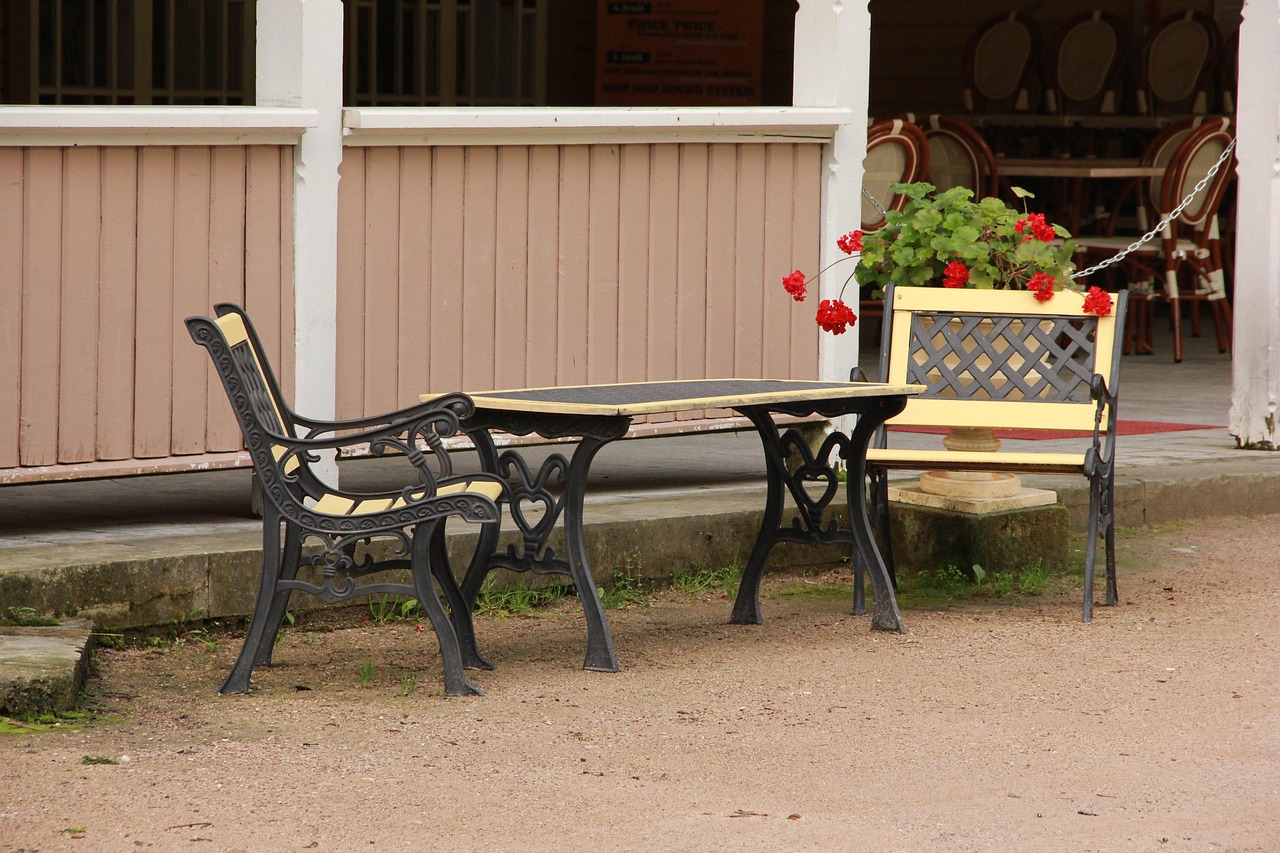
Cast iron is poured into molds, which makes it suitable for ornate table bases, bench ends and decorative details. It can be very heavy and visually traditional, but it is more brittle than forged or welded steel. Cast iron furniture can last for decades when protected and maintained, yet cracks, broken feet or severe corrosion can be harder to repair than simple surface scratches.
Why finish quality matters more than the word iron
For patio use, a protective finish is not just cosmetic. It is part of the furniture’s weather-resistance system. Iron and steel need a barrier between the metal and the outdoor environment. Paint, primer, powder coating, e-coating, galvanizing and clear sealers can all serve different roles, but their performance depends heavily on surface preparation and adhesion.
Industry coating references such as ASTM adhesion test methods and EPA guidance on metal furniture coatings emphasize coating adhesion, pretreatment and corrosion resistance. In practical terms, a smooth black finish is not enough. A better outdoor piece should have a coating that bonds well to the metal, covers welds and joints, and resists chipping during normal use.
- Powder coating is common on outdoor metal furniture because it can create a durable, even finish when properly applied.
- Primer plus exterior paint can be suitable for restoration work, especially when owners want repairability and color control.
- Galvanized coatings add zinc-based corrosion protection, though the appearance may not match traditional black iron styling.
- Clear sealers can preserve a raw or darkened metal look, but they still require inspection and renewal.
The vulnerable areas are usually not the large flat surfaces. They are chips, weld seams, bolt holes, foot caps, joints, underside edges and places where water can sit. A beautiful chair with poor drainage can corrode faster than a plainer chair with well-sealed tubes and repairable paint.
Raw iron compared with other patio furniture materials
The right choice depends on climate, design goals and tolerance for maintenance. The comparison below focuses on material behavior that matters in outdoor furniture, rather than on brand claims.
| Material or finish | Main advantage | Main limitation | Typical fit |
|---|---|---|---|
| Raw or unsealed iron | Authentic industrial or rustic appearance | Rusts easily outdoors and may stain stone, concrete or decking | Covered patios, decorative accents, intentional patina projects |
| Coated iron or steel | Heavy, stable and suitable for classic designs | Needs chip repair and periodic inspection | Traditional dining sets, windy patios, formal gardens |
| Cast iron | Ornate molded detail and high weight | Very heavy and can be brittle if abused | Benches, bases and decorative garden pieces |
| Aluminum | Does not rust like iron-based metals and is easier to move | Lighter pieces may move in high wind | Coastal homes, low-maintenance patios, frequent rearranging |
| Stainless or galvanized steel | Improved corrosion resistance compared with ordinary bare steel | Still needs the right grade, hardware and detailing for the setting | Modern outdoor furniture, commercial-style spaces, exposed areas |
For inland patios where weight and traditional style are priorities, coated iron or steel can be a sensible material. For coastal, poolside or high-humidity locations, aluminum or properly specified stainless materials often reduce maintenance. Raw iron can still be used outdoors, but it should be treated as a design choice that requires care rather than a set-and-forget material.
Where raw iron patio furniture works well
Raw iron and iron-style patio furniture can work well when the setting supports the material’s strengths. Its weight helps in open areas where lightweight chairs may shift. The dark, substantial frame pairs naturally with stone paving, brick terraces, traditional architecture, garden courtyards and hospitality spaces that need a grounded visual character.
The material is especially appropriate under a roof, on a screened porch, beneath a pergola with limited rain exposure, or in seasonal use where pieces are stored during harsh weather. It can also make sense for decorative benches or accent tables where a slowly aging surface is part of the intended look.
It is less suitable when the goal is minimal maintenance. A fully exposed coastal deck, a poolside area with frequent splashing, or a patio watered by sprinklers will test iron-based furniture quickly. Salt, chlorine, trapped moisture and abrasive sand can all increase the need for cleaning and touch-up work. In these settings, the iron look may still be achievable through cast aluminum or well-coated steel, but the specification deserves closer attention.
What to check before buying
Because product names can be vague, buyers should evaluate the furniture itself instead of relying only on the label. A short checklist can reveal whether a piece is suitable for outdoor exposure.
- Clarify the base metal. Ask whether the frame is iron, steel, cast iron, aluminum or a combination of materials.
- Check the finish system. Look for information about primer, powder coating, e-coating, galvanizing or clear sealing.
- Inspect joints and welds. Uneven coating around welds or corners can become an early rust point.
- Look for drainage. Tubular frames should not trap water inside the structure.
- Review feet and floor contact points. Missing caps can scratch paving and expose metal to standing water.
- Test weight and mobility. Heavy furniture is stable, but it may be difficult to move for cleaning or storage.
- Examine hardware. Screws, bolts and brackets should match the outdoor environment; mixed metals can create weak points if poorly specified.
- Consider cushions and ergonomics. Iron frames can feel hard, hot in direct sun and cold in cool weather, so cushion quality matters.
A simple magnet can also help identify whether a piece is iron or steel rather than aluminum. A magnet will normally stick to iron-based frames, while it will not stick to aluminum. This does not prove coating quality, but it can help confirm the kind of maintenance risk you are accepting.
Care and maintenance for iron-based patio furniture
The best maintenance strategy is prevention. Iron furniture usually fails gradually, beginning with small chips or scratches that expose the metal. Regular attention keeps those small defects from becoming widespread corrosion.
- Clean gently. Use mild soap and water to remove dirt, pollen, salt residue and outdoor grime. Avoid harsh abrasives that scratch the coating.
- Dry after cleaning. Water left in seams, decorative scrolls or foot areas can start corrosion where the coating is weakest.
- Inspect seasonally. Check before and after the main outdoor season, especially around joints, feet and table edges.
- Repair chips quickly. Lightly sand loose rust, apply a suitable metal primer if needed, then use an exterior-grade touch-up coating compatible with the existing finish.
- Lift instead of dragging. Dragging can damage feet, scrape coatings and expose bare metal.
- Use breathable covers. Covers should shed rain without trapping condensation against the frame for long periods.
- Store during harsh weather when possible. Winter freeze-thaw cycles and long wet periods can accelerate damage, especially on older pieces.
If the furniture is intentionally raw and unsealed, the maintenance decision is different. Owners must choose between allowing an uneven rust patina, applying oil or wax frequently, or sealing the metal with a clear coating. Each option changes the appearance. A natural patina may look attractive in a garden, but it can transfer rust stains to cushions, clothing and paving.
Frequently asked questions
Is raw iron patio furniture good for outdoor use?
It can be used outdoors, but raw or unsealed iron is not low maintenance. For regular patio use, iron-based furniture should normally have a protective finish and a plan for touch-up repairs. Fully exposed locations increase the need for care.
Is raw iron the same as wrought iron?
No. Raw iron usually describes the surface condition or unfinished appearance, while wrought iron refers to a historical worked form of iron. Many modern pieces described as wrought iron are actually steel or iron-based furniture made in a traditional style.
Will raw iron furniture rust?
Yes. Unprotected iron can rust when exposed to moisture and oxygen. Humid air, rain, salt spray, sprinklers and standing water can speed up visible corrosion. Protective coatings slow the process but must be maintained when scratched.
How can I tell iron patio furniture from aluminum?
Iron and steel are usually heavier and magnetic. Aluminum is lighter and normally does not attract a magnet. Rust at scratches or chips is another sign that the frame is iron-based rather than aluminum.
Can rusted iron patio furniture be restored?
Often, yes. Surface rust can usually be cleaned, sanded, primed and repainted. Restoration becomes less practical when corrosion has deeply weakened legs, joints, welds or load-bearing areas. Seating pieces should be checked for structural safety before reuse.
The practical takeaway
Raw iron patio furniture is best understood as a style and maintenance decision, not just a material label. If you want an authentic rustic surface and accept ongoing care, raw or lightly sealed iron can add character to a covered or carefully managed outdoor space. If you want the traditional iron look with less risk, choose coated iron, coated steel or cast aluminum designed for exterior use.
The most durable choice is usually the one with a clear material description, a well-applied protective finish, good drainage, sturdy hardware and repairable details. In outdoor furniture, the finish and construction often determine long-term satisfaction more than the marketing term printed on the tag.