Cookware buying guide for choosing the right pots and pans
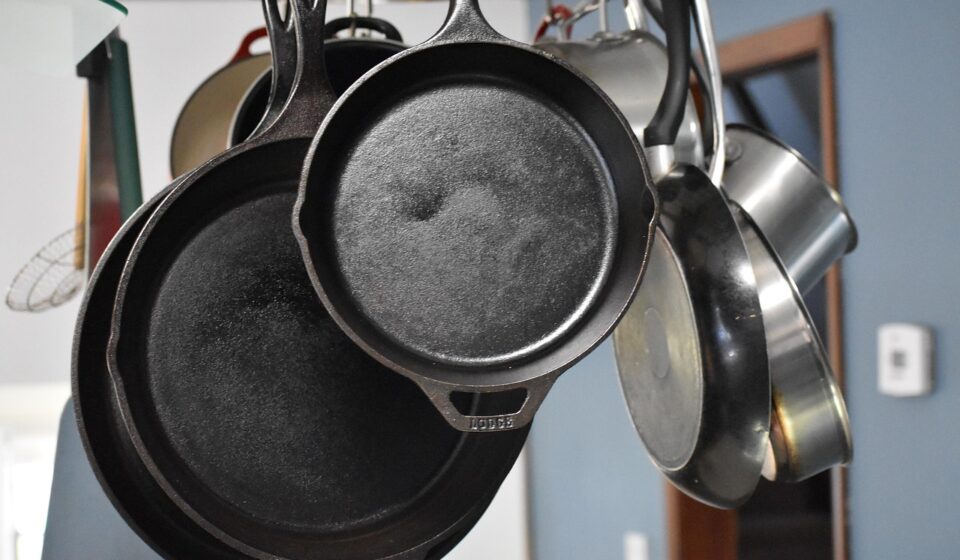
Quick answer before you buy
A practical cookware buying guide starts with the way the kitchen actually cooks, not the largest boxed set on the shelf. Most home kitchens are better served by a few dependable pieces: a durable skillet, a saucepan, a larger pot or Dutch oven, and, when needed, one nonstick pan for eggs, pancakes or delicate fish. Material choice comes down to cooking style, realistic maintenance, and whether the cooktop is gas, electric, glass ceramic or induction. Stainless steel is the versatile workhorse. Cast iron and carbon steel suit high-heat cooking when the user is willing to season and dry the pan properly. Nonstick is convenient but has a shorter service life. Enameled cast iron is strong for braising and slow simmering. For more practical purchase advice, see our buying guides.
The point is not to find one perfect material. It is to build a balanced kit that covers boiling, simmering, sautéing, searing and low-stick cooking without paying for pieces that stay in the cabinet.
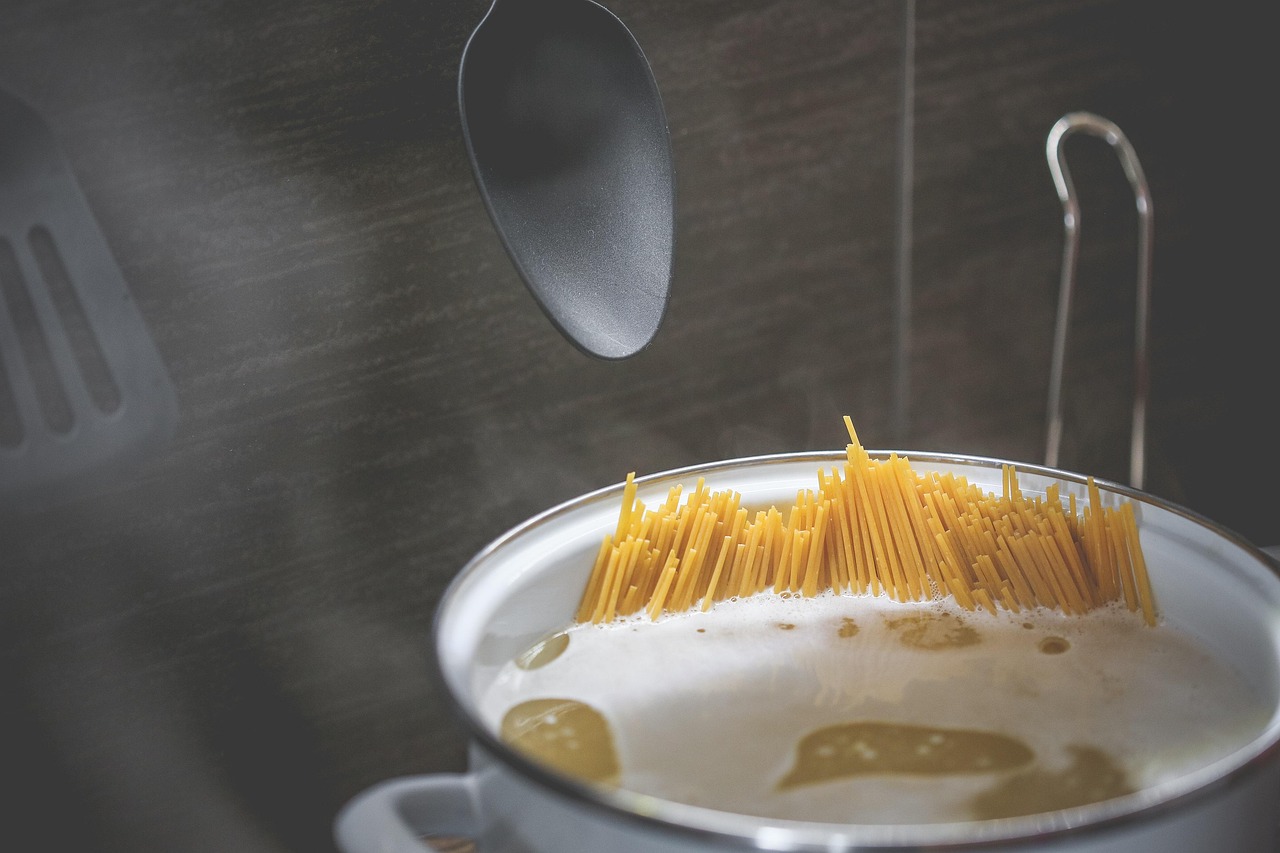
Match cookware materials to the cooking job
Cookware materials differ in heat response, weight, durability, cleaning requirements and food release. A pan that performs well for steak may be frustrating for eggs, while a slippery nonstick pan is usually the wrong tool for hard searing. Independent cookware testing organizations such as Consumer Reports evaluate cookware by category because stainless steel, nonstick, cast iron, carbon steel and copper behave differently in everyday use. (consumerreports.org)
| Material | Best uses | Main strengths | Watch for |
|---|---|---|---|
| Clad stainless steel | Searing, sautéing, sauces, boiling | Durable, nonreactive, often dishwasher safe, good all-rounder | Food can stick if the pan is too cold or too hot; check induction compatibility |
| Cast iron | Searing, frying, cornbread, stovetop-to-oven cooking | Excellent heat retention, long service life, naturally improves with seasoning | Heavy, needs drying and oiling, can react with long acidic cooking |
| Carbon steel | Stir-frying, crêpes, searing, everyday skillet work | Lighter than many cast iron pans, seasons well, responsive | Requires seasoning and rust prevention |
| Traditional nonstick | Eggs, pancakes, fish, low-fat cooking | Easy food release and cleanup | Coating wears over time; avoid high heat, metal utensils and severe scratching |
| Ceramic-coated nonstick | Eggs, quick sautés, lower-heat cooking | Often marketed as PFAS-free, easy to clean when new | Food release can decline; quality varies widely |
| Enameled cast iron | Braising, soups, stews, bread baking | Holds heat well, no seasoning required, good for acidic recipes | Heavy; enamel can chip if abused |
| Copper | Temperature-sensitive sauces and precise cooking | Highly responsive heat control | Expensive; usually lined with stainless steel or tin; may need polishing |
| Aluminum or hard-anodized aluminum | Frying pans, saucepans, lightweight everyday cookware | Light, good heat conduction, often affordable | Bare aluminum can react with acidic foods; induction needs a magnetic base |
If you want the fewest pieces possible, start with a clad stainless steel saucepan and sauté pan, a 10- or 12-inch skillet in stainless steel, cast iron or carbon steel, and one nonstick pan only if you regularly cook eggs or delicate fish. Add a Dutch oven or stockpot if soups, pasta, beans or braises are part of the weekly routine.
Check cooktop compatibility before comparing prices
Your stove can rule out some options before price, brand or color matter. Gas is flexible but rewards thicker pans that resist hot spots. Electric coil and smooth glass cooktops benefit from flat, stable bottoms. Induction is stricter: ENERGY STAR explains that induction cooktops require compatible cookware, and a simple magnet test works for many pans. If a magnet sticks to the bottom, the pan is generally induction compatible. Cast iron, many stainless steel pans and enameled cast iron often work, while pure aluminum or copper usually needs a magnetic layer. (energystar.gov)
Heat behavior matters as much as basic compatibility. Thin pans heat quickly but may scorch sauces or warp under sudden temperature changes. Fully clad stainless steel, which usually sandwiches aluminum or copper between stainless layers, spreads heat up the sides better than a pan with only a disc base. A heavy cast iron skillet heats more slowly, but once hot it holds energy well for searing. Carbon steel sits between those extremes: lighter and more responsive than many cast iron pans, but still capable of developing seasoning.
For glass cooktops, avoid dragging rough-bottomed cookware across the surface. For induction, check not only the magnet test but also the diameter of the magnetic base; a small magnetic disc under a wide pan may heat unevenly.
Understand coatings, PFAS and safety labels
Safety claims around cookware can be difficult to compare because marketing terms such as “non-toxic,” “ceramic,” “stone,” and “green” are not all regulated in the same way. The U.S. Food and Drug Administration says some PFAS are approved for use in manufacturing nonstick cookware coatings, and describes these coatings as polymerized materials applied through heat so they are tightly bound to the cookware. The agency also says studies show a negligible amount of PFAS capable of migrating to food from those coatings. On the same page, the FDA distinguishes cookware from PFAS grease-proofing agents formerly used in paper and paperboard food packaging, which were phased out of the U.S. market by 2024 and addressed again in a January 2025 Federal Register notice. (fda.gov)
That does not mean coated pans should be treated roughly. Follow the manufacturer’s heat limits, avoid preheating an empty nonstick pan on high heat, use wood or silicone utensils, and replace pans when the cooking surface is deeply scratched, flaking or no longer releases food. Ceramic-coated pans may appeal to shoppers who want to avoid traditional fluoropolymer coatings, but they are still coatings. Their useful life depends on the formulation, thickness, heat exposure and cleaning habits.
California’s Safer Food Packaging & Cookware Act, also known as AB 1200, requires cookware manufacturers to disclose when certain chemicals on the state’s Candidate Chemicals List are intentionally added to food-contact surfaces or handles. For shoppers, this makes product pages and packaging important. Read disclosures, not just front-label claims. (dtsc.ca.gov)
Heavy metals are another safety issue, especially for imported, traditional or decorative cookware. On December 12, 2024, the FDA issued a letter warning retailers and distributors that certain imported cookware made from aluminum, brass and aluminum alloys known as Hindalium, Hindolium, Indalium or Indolium may leach lead into food and should not be sold in the U.S. market. The FDA separately advises consumers not to use lead-leaching pottery for cooking, serving or storing food. (fda.gov)
Choose individual pieces before buying a set
Cookware sets look efficient, but they often include duplicate sizes, undersized pans or specialty pieces that do not fit the way you cook. Before buying a 10- or 12-piece set, list the meals you cook in a normal week. If you make pasta, soups and steamed vegetables, prioritize a stockpot with a well-fitting lid. If you sear proteins and finish them in the oven, buy an oven-safe skillet with a comfortable handle. For one or two people, a 2-quart saucepan may be more useful than a very large pot. For family cooking, wider pans help reduce crowding.
- For a compact starter kit: 10-inch skillet, 2- or 3-quart saucepan, 5- to 7-quart Dutch oven or stockpot, and one nonstick pan if needed.
- For frequent searing: cast iron, carbon steel or thick clad stainless steel.
- For sauce-heavy cooking: stainless steel or enameled cast iron, because they handle acidic ingredients better than bare seasoned iron.
- For delicate foods: keep one nonstick or ceramic-coated skillet and treat it as a replaceable tool.
- For small kitchens: choose nesting pieces, universal lids and pans that move safely from stovetop to oven.
Buying open stock can cost more per piece, but it prevents clutter and lets you mix materials. A stainless saucepan, carbon steel skillet and enameled Dutch oven can be a smarter long-term combination than a single-material set.
Use store checks to judge quality
Quality is often visible before the first use. Pick up the pan and check whether it feels balanced, both empty and when you imagine it full. Handles should be secure, comfortable and far enough from the heat source for a safe grip. Rivets are strong but collect residue; welded handles are easier to clean but should look solid and smooth. Lids should sit evenly without excessive rattling. See also: built-in furniture.
For stainless steel, look for multi-ply construction or at least a thick, even base. For cast iron and carbon steel, check for a flat bottom, a smooth-enough cooking surface and manageable weight. For nonstick, inspect coating consistency and confirm the oven-safe temperature for both pan and handle. For enameled cast iron, check the rim, lid edge and interior enamel for chips before purchase.
NSF food equipment standards are aimed mainly at commercial foodservice equipment, but they illustrate useful quality principles for serious buyers: material safety, design, construction and product performance need to work together. NSF/ANSI 51, for example, addresses materials and finishes used in commercial foodservice equipment, including stock pots. (nsf.org)
Warranty terms can also reveal expectations. A lifetime warranty may exclude coating wear, overheating, dishwasher damage, commercial use or thermal shock. Read the exclusions before treating warranty language as proof that a pan will last forever.
Care habits that make cookware last longer
Good cookware can fail early when it is used like the wrong material. Stainless steel tolerates scrubbing better than nonstick, but it still benefits from gradual heating and deglazing instead of harsh abrasion. Cast iron and carbon steel should be dried promptly after washing and given a thin oil film if the surface looks dry. Enameled cast iron should not be heated empty on maximum heat for long periods because enamel and metal expand differently.
- Let pans cool before adding cold water to reduce thermal shock and warping.
- Use lower to medium heat for nonstick and ceramic-coated pans unless the manufacturer states otherwise.
- Avoid metal utensils on coated surfaces.
- Do not store heavy pans directly inside coated pans unless you use pan protectors.
- Match burner size to pan size for more even heating and safer handles.
- Handwash coated, cast iron, carbon steel, copper and enameled pieces when in doubt.
Care should influence what you buy. If you dislike seasoning, skip bare cast iron and carbon steel. If you use a dishwasher for everything, avoid cookware that depends on a delicate coating or polished finish. If you want one pan that can take hard use for years, stainless steel is usually the safer compromise.
Frequently asked questions
What cookware material is best for everyday use?
Clad stainless steel is the most versatile everyday choice for many kitchens because it handles browning, boiling, sauces and acidic ingredients without special seasoning. It is not the easiest surface for eggs, so many cooks pair it with one nonstick, cast iron or carbon steel skillet.
Is ceramic cookware better than nonstick?
Ceramic-coated cookware can be a good option for lower-heat, easy-clean cooking, especially for shoppers avoiding traditional nonstick coatings. However, it is still a coating and may lose food release over time. Traditional nonstick often releases food very well when new, but it needs careful heat and utensil control.
Should I buy induction-compatible cookware even without an induction cooktop?
If you may switch ranges in the next few years, induction-compatible cookware is a smart future-proofing choice. The magnet test is a simple first screen, but also check the product’s induction marking and base size.
When should cookware be replaced?
Replace coated pans when the surface is peeling, deeply scratched or no longer cleans properly. Replace warped pans if they spin, rock or heat unevenly. Retire any cookware with loose handles, cracked enamel on food-contact surfaces or uncertain food-use labeling.
Are cookware sets worth it?
A set is worth it only if you will use nearly every piece and the sizes match your cooking. Otherwise, buying individual pieces gives better control over material, weight, handle style and storage.