Fall lawn maintenance checklist for a healthier yard next spring
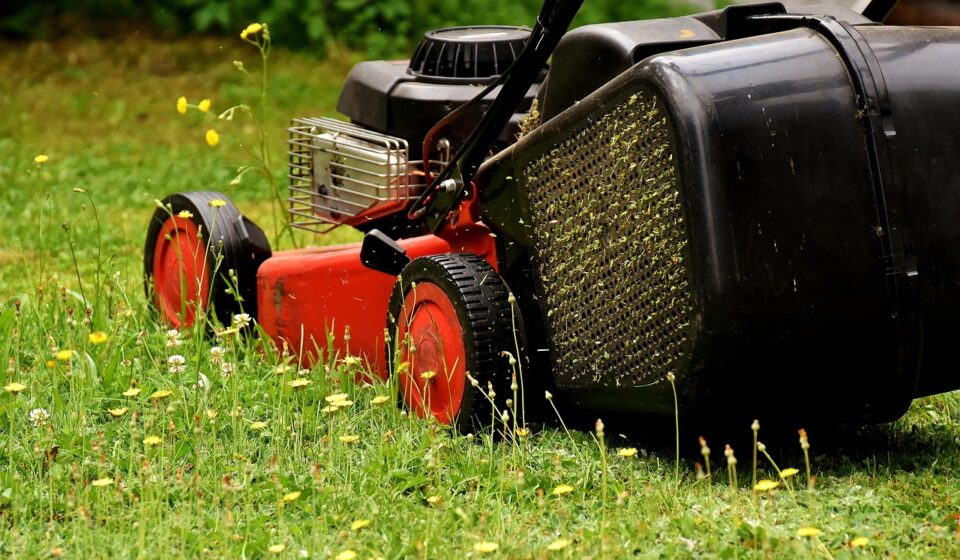
Fall lawn maintenance starts with timing, not more products
Fall lawn maintenance is most effective when it supports the growth cycle the grass is already in. Cool-season lawns, including tall fescue, Kentucky bluegrass, perennial ryegrass, and fine fescue, are typically recovering from summer stress in autumn. That makes fall a practical window for mowing adjustments, core aeration, overseeding, and measured fertilizing. Warm-season lawns, including bermudagrass, zoysiagrass, centipedegrass, and St. Augustinegrass, are moving toward dormancy, so the priority is usually to reduce stress, manage leaves, avoid late nitrogen, and prepare the turf for winter conditions.
The right checklist depends on grass type, local regulations, rainfall, soil compaction, and the actual condition of the lawn. A thin, weedy lawn needs a different plan from one that is simply tired after summer. This guide synthesizes public lawn-care recommendations commonly provided by the U.S. Environmental Protection Agency and land-grant university extension programs, including Illinois, Maryland, Georgia, and Penn State. For more seasonal upkeep ideas around yards, outdoor areas, and home surfaces, see our care and maintenance section.
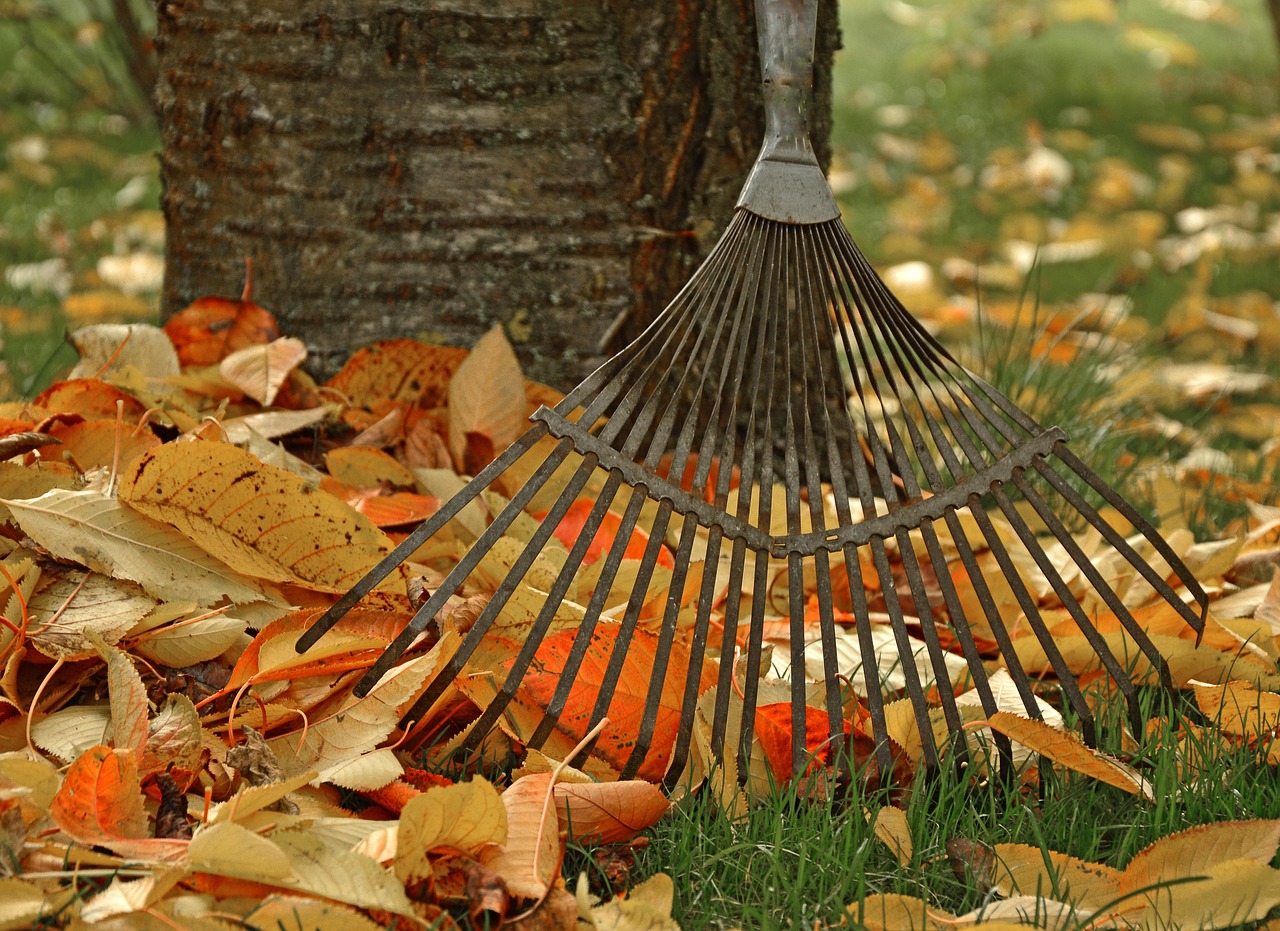
Identify whether your lawn is cool-season or warm-season
The most common fall lawn maintenance mistake is treating every lawn the same. A cool-season lawn grows most strongly during cooler weather in spring and fall, which is why many extension programs describe late summer through autumn as a key period for renovation, seeding, and fertilization. A warm-season lawn grows fastest in late spring and summer. By fall, it slows down and eventually goes dormant, so aggressive renovation or late nitrogen can create more risk than benefit.
| Lawn type | Common grasses | Main fall goal | Tasks to be careful with |
|---|---|---|---|
| Cool-season | Tall fescue, Kentucky bluegrass, perennial ryegrass, fine fescue | Recover density, strengthen roots, repair bare areas | Seeding too late, mowing too short, overfertilizing, using herbicides that interfere with seed |
| Warm-season | Bermudagrass, zoysiagrass, centipedegrass, St. Augustinegrass | Reduce stress before dormancy and prevent winter weed pressure | Late nitrogen, late aeration, heavy dethatching, unnecessary overseeding |
If you are unsure what grass you have, look at color, blade texture, and growth pattern, but do not rely on color alone. Warm-season turf often browns in winter dormancy even when healthy. Cool-season turf can turn brown during extreme summer drought and then recover when temperatures and moisture improve. When in doubt, local cooperative extension offices are usually the most reliable source because their guidance reflects regional climate, soil conditions, and common lawn species.
Mow correctly before the final cut of the season
Proper mowing is not just cosmetic. It affects rooting, disease pressure, weed competition, and the lawn’s ability to handle seasonal stress. A widely used rule is to remove no more than one-third of the grass blade in a single mowing. Cutting more than that can shock the plant and leave the lawn with dry, brown tips or weakened growth.
For many cool-season lawns, a height around 3 to 4 inches is often recommended, especially for tall fescue and fine fescue. Kentucky bluegrass is commonly maintained slightly lower, while bermudagrass and zoysiagrass are usually kept lower than cool-season turf. Exact mowing height depends on species and region, so check local extension calendars and species-specific guidance before making major changes.
Do not scalp a cool-season lawn in fall. Cutting it very short can reduce photosynthesis at the time the plant is trying to rebuild energy reserves. For warm-season lawns, avoid leaving the turf excessively tall going into dormancy, but do not make a sudden severe cut. Step the height down gradually if needed.
- Sharpen mower blades so the grass is cut cleanly rather than torn.
- Avoid mowing when the lawn is wet, muddy, frozen, or dormant from drought stress.
- Keep mowing as long as the grass is actively growing.
- For the last mow, follow grass-specific guidance rather than a universal height rule.
Manage leaves before they smother the turf
Leaves are valuable organic material, but a thick, wet mat blocks light and air. The practical fall strategy is to mulch light leaf cover into small pieces, remove heavy accumulations, and compost what cannot be safely left on the lawn. The EPA promotes using yard waste such as leaves and grass clippings as mulch or compost when possible, rather than allowing it to wash into storm drains or waterways.
Mulching works best when leaves are dry enough to shred and the chopped pieces can settle between grass blades. If the lawn still looks buried after one or two mower passes, there are too many leaves to leave in place. Rake the excess into garden beds as mulch, add it to a compost pile, or use a local yard-waste collection program.
Leaf cleanup also matters around patios, walkways, and outdoor furniture areas. Leaf piles trapped under benches, tables, storage boxes, or planters hold moisture against turf and hardscape edges. Moving lightweight outdoor pieces before major cleanup helps prevent hidden bare spots and makes spring cleanup easier.
Aerate and overseed only when the lawn can recover
Core aeration removes small plugs of soil from the lawn, helping air, water, and roots move through compacted areas. It is especially useful where foot traffic, clay soil, furniture placement, or play areas have compressed the surface. Core aeration is different from simply poking holes with solid spikes, which can press soil tighter around the hole.
For cool-season lawns, early to mid-fall is often a good time to aerate because the turf is actively growing and can recover. Aeration is usually most effective when the soil is slightly moist, not dry and hard or saturated. Leave the soil cores on the lawn; they will break down naturally.
Overseeding is most useful when the lawn is thin, patchy, or has bare areas. The key is seed-to-soil contact. Before seeding, mow moderately, remove debris, loosen bare spots, and apply seed at the recommended rate for the species. Keep newly seeded areas consistently moist until germination and early establishment. Light, frequent watering for seedlings is different from watering an established lawn because new seedlings dry out quickly.
Warm-season lawns usually should not be overseeded in fall unless the goal is temporary winter color with ryegrass and local guidance supports it. Even then, overseeding can compete with the warm-season turf during spring transition. If a warm-season lawn has major bare areas, the better repair window is often late spring or summer, when that grass is actively growing.
Fertilize based on need, not habit
Fall fertilization can help cool-season lawns, but it is not a reason to apply more fertilizer than the lawn can use. A soil test is the best way to determine pH, phosphorus, potassium, and lime needs. Guessing often leads to over-application, wasted money, or runoff concerns. Some states and municipalities also restrict fertilizer timing, phosphorus use, or winter applications, so local rules matter. See also: built-in furniture.
For cool-season lawns, many university recommendations place the main fertilization window in late summer through autumn. A common extension range is roughly 0.7 to 1.0 pound of actual nitrogen per 1,000 square feet per application, adjusted by grass type, product, soil test results, and local regulations. Warm-season lawns are generally fertilized during their active growing season, not late fall as they approach dormancy.
A simple calculation helps prevent accidental overuse. If the target is 0.8 pound of actual nitrogen per 1,000 square feet and the fertilizer is 24 percent nitrogen, divide 0.8 by 0.24. The result is about 3.3 pounds of product per 1,000 square feet. Always confirm the rate on the bag label and avoid applying before heavy rain, near storm drains, or on frozen ground.
- Use slow-release nitrogen when appropriate to reduce rapid surge growth.
- Sweep granules off pavement back onto the lawn so they do not enter runoff.
- Do not fertilize dormant, frozen, or drought-stressed turf.
- Do not add phosphorus unless a soil test or new seeding need supports it.
Handle weeds, thatch, and disease with a targeted approach
Fall can be a useful time to control some perennial broadleaf weeds because many are moving resources into their roots. Weed control must be coordinated with overseeding, however. Some herbicides can prevent new grass seed from germinating or injure young seedlings. If you plan to seed, read the herbicide label carefully and allow the required waiting period before or after application.
Thatch is another area where homeowners often overreact. A thin thatch layer can provide some cushioning and surface protection. Excessive thatch can block water, air, and seed contact. Fescues and perennial ryegrass usually produce thatch more slowly, while Kentucky bluegrass, zoysiagrass, and bermudagrass can be more prone to buildup under certain management conditions. Heavy dethatching should be done only when needed and when the grass is actively growing enough to recover.
Fall disease pressure varies by region, species, weather, and lawn history. Brown patches, thinning areas, and dead spots are not always caused by disease; they can also result from drought, shade, insects, compaction, pet urine, dull mower blades, or chemical injury. Before applying fungicide, identify the likely cause. Cultural fixes such as improved air movement, correct mowing, reduced overwatering, and appropriate fertilization often reduce future problems.
A practical fall lawn maintenance schedule
Use this schedule as a general planning framework, then adjust it to your climate and local extension calendar.
Late summer to early fall
- Identify grass type and map thin, compacted, shaded, or heavily used areas.
- Order or complete a soil test if renovation or fertilization is planned.
- For cool-season lawns, plan aeration and overseeding before cold weather limits establishment.
- For warm-season lawns, avoid pushing late growth with unnecessary nitrogen.
Mid-fall
- Mow according to the one-third rule and keep blades sharp.
- Mulch light leaves and remove heavy layers before they mat down.
- Water new seed consistently if rainfall is not enough.
- Spot-treat weeds only when the product label and seeding schedule allow it.
Late fall before winter
- Continue mowing while grass is actively growing.
- Clear leaves from lawn edges, furniture bases, drainage paths, and walkways.
- Store unused fertilizer in a dry place and clean spreaders before storage.
- Reduce traffic on wet, frosty, or dormant turf to prevent compaction and crown damage.
Frequently asked questions
Should I rake or mulch leaves in fall?
Mulch light leaf cover when the mower can shred it finely and the grass remains visible. Rake or collect heavy, wet layers because they block light, trap moisture, and can weaken turf. Excess leaves can be composted or used as mulch in planting beds.
Is fall the best time to overseed a lawn?
For cool-season grasses, fall is often one of the best times because cooler air and warm soil support establishment. For warm-season grasses, fall is usually not the main repair season. Bermudagrass, zoysiagrass, and similar grasses generally recover best during active warm-weather growth.
Do all lawns need fall fertilizer?
No. Cool-season lawns often benefit from properly timed fall fertilization, especially if soil tests and turf condition support it. Warm-season lawns usually do not need late-fall nitrogen as they move toward dormancy. Local fertilizer laws, soil test results, and grass type should guide the decision.
How often should I aerate my lawn?
High-traffic or compacted cool-season lawns may benefit from annual fall core aeration. Lawns with lighter use may only need it every few years. Aerate when the grass is actively growing and the soil is moist enough for the machine to pull cores cleanly.
What is the most common fall lawn maintenance mistake?
The most common mistake is following a generic checklist without considering grass type. Seeding, fertilizing, aerating, and mowing all depend on whether the lawn is cool-season or warm-season, whether the soil is compacted, and how much time remains before winter conditions arrive.