Lawn care for beginners with a simple seasonal plan

Start with the lawn you actually have
Lawn care for beginners should not begin with a shelf full of products. It should begin with four basic decisions: identify whether your lawn is mostly cool-season or warm-season grass, mow at a healthy height, water deeply only when needed, and test the soil before adding fertilizer or lime. In many weak lawns, the problem is not a missing treatment. It is stress from mowing too low, watering too often or too little, compacted soil, poor timing, or nutrients applied without evidence.
Public university extension programs and the U.S. EPA WaterSense program generally point in the same direction: healthy lawns depend more on timing, soil conditions, and water management than on constant inputs. A beginner can make visible progress with a repeatable seasonal routine, then adjust it for local climate, grass type, and any municipal watering or fertilizer rules.
For more home and outdoor upkeep topics, visit the care and maintenance section.
Know your grass type before making a schedule
The first step is not buying fertilizer; it is understanding the grass you are maintaining. In the United States, home lawns are commonly grouped into cool-season and warm-season grasses. Cool-season grasses, such as tall fescue, Kentucky bluegrass, perennial ryegrass, and fine fescue, grow most actively in spring and fall. Warm-season grasses, such as bermudagrass, zoysiagrass, St. Augustinegrass, and centipedegrass, grow most actively during warm summer conditions.
This difference affects the timing of mowing, seeding, fertilizing, aeration, and weed prevention. For example, a fall renovation can be sensible for many cool-season lawns, while major repair on warm-season turf is usually better when the grass is actively growing in late spring or summer. A beginner who copies a schedule from another region may do the right task at the wrong time.
| Decision | Cool-season lawns | Warm-season lawns |
|---|---|---|
| Main growth period | Spring and fall | Late spring through summer |
| Common repair window | Late summer to early fall in many regions | Late spring to summer when actively growing |
| Beginner risk | Summer heat stress and mowing too low | Early-spring work before full green-up |
| Best first action | Confirm grass type and local fall timing | Confirm grass type and wait for active growth |
If you are unsure what grass you have, compare blade shape, growth habit, and local recommendations from your state extension service. In mixed lawns, base your care on the dominant grass rather than trying to manage every patch separately.
The beginner routine that matters most
Mow high enough to protect the plant
Mowing is the most frequent lawn care task, so small mistakes are repeated quickly. Cutting too short removes too much leaf surface, weakens roots, exposes soil to heat, and gives weeds more room to germinate. Penn State Extension has reported that higher mowing heights can reduce weed pressure because taller turf shades the soil surface and competes better.
For many home lawns, a practical beginner rule is to avoid removing more than one-third of the grass blade at one mowing. If the grass has become too tall, lower it gradually over two or more cuts rather than scalping it in one pass. Keep mower blades sharp; dull blades tear grass tips and can leave a gray or brown cast after mowing.
Leave clippings when they are small
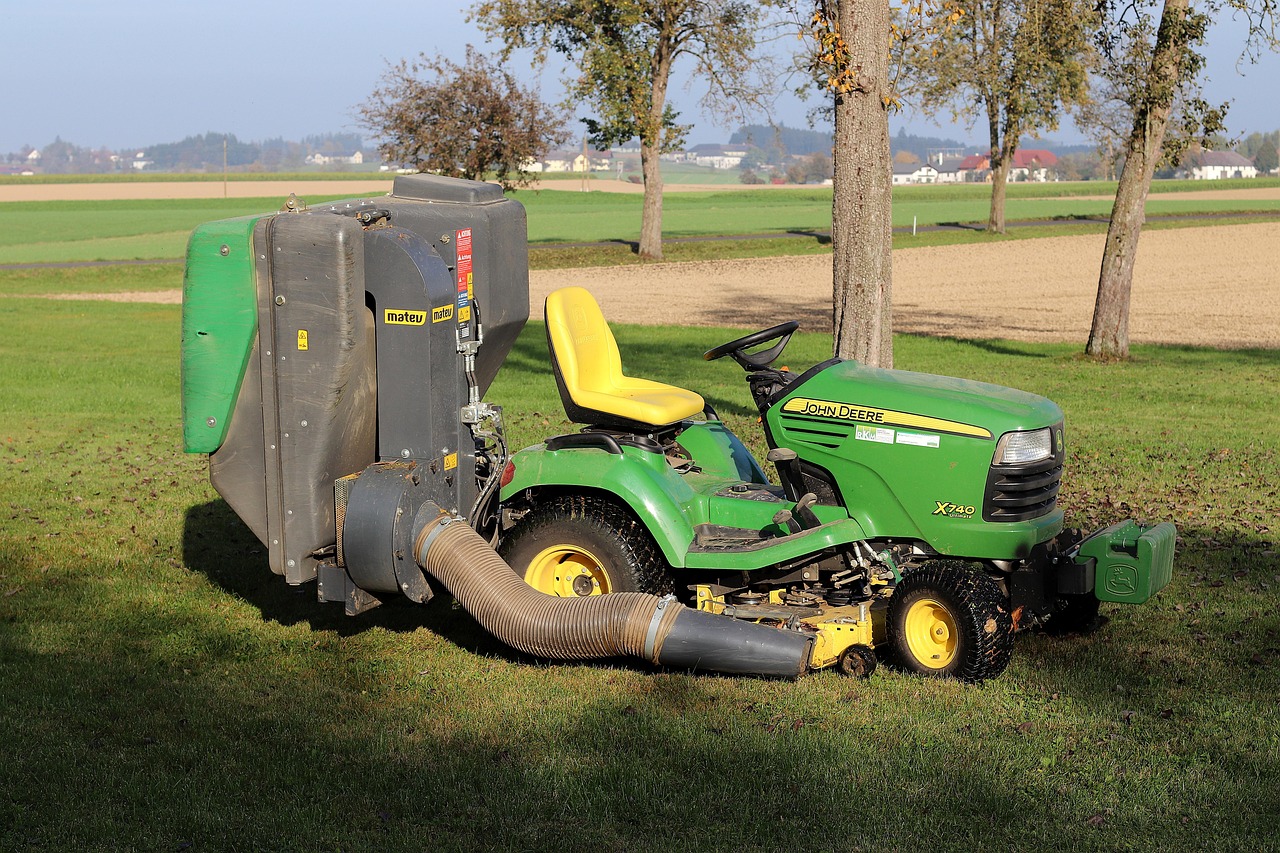
Grass clippings are often misunderstood. When the lawn is mowed regularly, short clippings fall back into the canopy and decompose, returning nutrients to the lawn. They do not need to be bagged unless they are clumped, wet, diseased, or likely to wash onto sidewalks, driveways, or storm drains. Leaving small clippings can reduce yard waste and help maintain organic matter at the soil surface.
Water deeply, not automatically
The EPA WaterSense program notes that many landscapes typically need about one inch of water per week, including rainfall, although the actual amount varies by climate, soil, season, and plant type. Beginners should treat that figure as a starting point, not a fixed rule. Sandy soils dry quickly, clay soils may accept water slowly, shaded areas lose moisture more slowly, and slopes can create runoff before water reaches the root zone.
A simple way to check irrigation is to place several straight-sided cans around the sprinkler zone and measure how long it takes to collect about half an inch of water. If water begins running off, stop, let it soak in, and resume later. Early morning is usually better than midday because less water is lost to evaporation, and grass blades have time to dry before night.
Use soil testing before fertilizer or lime
Beginners often ask which fertilizer to buy. The better question is whether the lawn needs fertilizer, lime, or a change in soil management. University extension programs, including Maryland, Illinois, North Carolina State, and Penn State, consistently recommend basing fertilizer and lime decisions on soil testing rather than guesswork.
A soil test can show pH, phosphorus, potassium, organic matter, and other indicators depending on the lab. Nitrogen recommendations are often handled differently because nitrogen moves through soil and is closely tied to grass type, season, and growth goals. Still, a soil test helps prevent unnecessary applications, especially of phosphorus or lime where they are not needed.
For beginners, soil testing is most useful before starting a major lawn improvement plan, before seeding, or when the lawn has persistent thin growth despite reasonable mowing and watering. Many extension services accept samples through county offices or university labs. Follow the sampling instructions carefully because a poor sample can lead to poor recommendations.
- Do not fertilize because the lawn is brown in summer. Cool-season lawns can naturally slow down or go dormant during heat and drought.
- Do not apply lime without a pH reason. Lime changes soil acidity; it is not a general-purpose lawn tonic.
- Do not assume more fertilizer means thicker grass. Excess fertilizer can burn turf, increase disease risk, or contribute to runoff.
- Follow the product label. The label controls rate, timing, safety instructions, and where the product can be used.
A simple seasonal lawn care calendar
A useful beginner calendar should be flexible because lawns differ by region. The table below is a practical framework, not a substitute for local extension guidance. The University of Maryland Extension updated its lawn maintenance calendar in March 2026 and emphasizes that timing depends on grass type and seasonal growth. That principle applies well beyond Maryland. See also: built-in furniture.
| Season | Beginner priority | What to avoid |
|---|---|---|
| Early spring | Inspect winter damage, clean debris, sharpen mower blades, test soil if planning improvements | Heavy fertilizer before the grass is actively growing |
| Late spring | Mow consistently, manage weeds early, begin irrigation only when rainfall is not enough | Cutting too short during fast growth |
| Summer | Raise mowing height where appropriate, water deeply during dry periods, reduce stress | Major renovation during heat stress for cool-season lawns |
| Late summer to fall | Repair thin cool-season lawns, overseed where suitable, fertilize according to soil and grass needs | Seeding too late for roots to establish before cold weather |
| Winter or dormant season | Limit traffic on frozen or soggy turf, review notes, plan soil testing and repairs | Applying products when the lawn cannot use them |
If you live in a warm-season grass region, shift the most active repair and feeding tasks toward the period when the lawn is fully green and growing. If you live in a cool-season region, fall is often the strongest window for recovery and overseeding because heat stress is lower and weeds may be less competitive.
Common beginner problems and what to do first
Thin grass
Thin grass can come from shade, compacted soil, drought stress, poor fertility, disease, heavy foot traffic, or using the wrong grass for the site. Before reseeding, ask why the area thinned in the first place. If the problem is dense shade or constant wear, seed alone may provide only temporary improvement. Consider traffic control, pruning for light where appropriate, soil improvement, or using groundcovers in places where turf is not realistic.
Weeds
Weeds are often a symptom of open soil and stressed turf. The beginner-safe approach is to improve mowing height, fill bare areas, avoid overwatering, and identify the weed before using a product. Annual grassy weeds, broadleaf weeds, and perennial weeds are managed differently. A product that works on one group may not work on another, and timing can matter as much as the active ingredient.
Brown patches
Brown patches do not automatically mean the lawn needs water or fertilizer. They may be caused by drought, disease, pet urine, mower damage, insects, compacted soil, a chemical spill, or dormancy. Check soil moisture with a screwdriver or small trowel. Look for patterns: a sprinkler arc may create dry edges, a dog route may create repeated spots, and a low area may stay wet long enough for disease pressure to increase.
Compacted soil
Compaction limits air, water, and root growth. It is common near paths, play areas, driveways, and outdoor furniture zones where feet and equipment repeatedly press the soil. Core aeration can help when compaction is confirmed, but timing matters. Aerate when the grass is actively growing and able to recover, not when it is dormant or heat-stressed.
A 30-day starter plan for beginners
If you are new to lawn care, resist the urge to fix everything in one weekend. Use the first month to observe, measure, and correct the biggest maintenance mistakes.
- Day 1 to 3: Identify the dominant grass type and note sun, shade, slopes, soggy areas, and heavy-use paths.
- Day 4 to 7: Set the mower higher if the lawn has been cut short. Sharpen or replace the blade if the grass tips look torn.
- Day 8 to 10: Run a sprinkler catch-can test to learn how much water your system applies in a set time.
- Day 11 to 15: Order or submit a soil test if you plan to fertilize, lime, seed, or renovate.
- Day 16 to 20: Map weeds and bare spots instead of treating the entire yard without identification.
- Day 21 to 25: Clean edges, remove debris, and keep clippings off pavement and drains.
- Day 26 to 30: Build a seasonal plan based on grass type, soil results, and local climate rather than a generic product schedule.
This approach gives you useful information before money is spent. It also separates urgent tasks from optional ones. Mowing correctly and watering wisely can begin immediately. Fertilizer, lime, herbicides, aeration, and overseeding should wait until timing and need are clearer.
Frequently asked questions
How often should a beginner mow the lawn?
Mow based on growth, not a fixed weekly rule. During fast growth, mowing once a week may not be enough; during heat, drought, or dormancy, mowing may be needed less often. The key is to avoid removing more than one-third of the blade at a time.
Should I water every day?
Usually no. Daily shallow watering can encourage shallow roots and may increase disease pressure. A better beginner habit is to water deeply when the lawn needs it, count rainfall, and adjust for soil type, temperature, and local restrictions.
Do I need fertilizer for a green lawn?
Possibly, but not always. Fertilizer should be based on grass type, season, soil test results, and local rules. Applying fertilizer without knowing what the soil needs can waste money and may harm the lawn or nearby waterways.
When is the best time to seed bare spots?
It depends on grass type and region. Many cool-season lawns are best repaired in late summer to early fall, while warm-season lawns are generally repaired when they are actively growing in warm weather. Local extension calendars are the safest timing guide.
What is the biggest mistake in beginner lawn care?
The biggest mistake is treating symptoms before understanding the cause. A brown or thin lawn may need better mowing, irrigation adjustment, soil testing, aeration, shade management, or reseeding. Guessing with products can delay the real fix.