Residential yard maintenance that protects lawns, soil, and outdoor living spaces
What residential yard maintenance should achieve
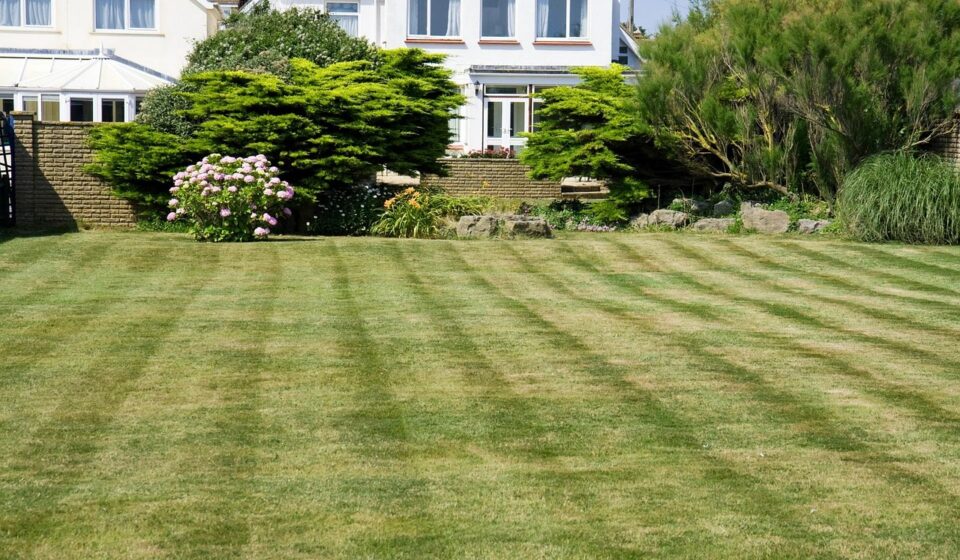
Residential yard maintenance is the routine that keeps lawns, planting beds, trees, patios, paths, and outdoor furniture areas safe, usable, and resilient. Instead of treating mowing, watering, pruning, and cleanup as separate chores, a good plan answers four practical questions: what needs water, what needs cutting, what needs soil support, and what could damage the home or outdoor living space if ignored. Public guidance from EPA WaterSense, USDA, and university Extension programs supports the same prevention-first approach: time the work correctly, watch site conditions, and address small problems early rather than relying on heavier watering, excessive fertilizer, or rushed seasonal cleanup. For more property upkeep topics, visit our care and maintenance section.
Start with site conditions, not a generic task list
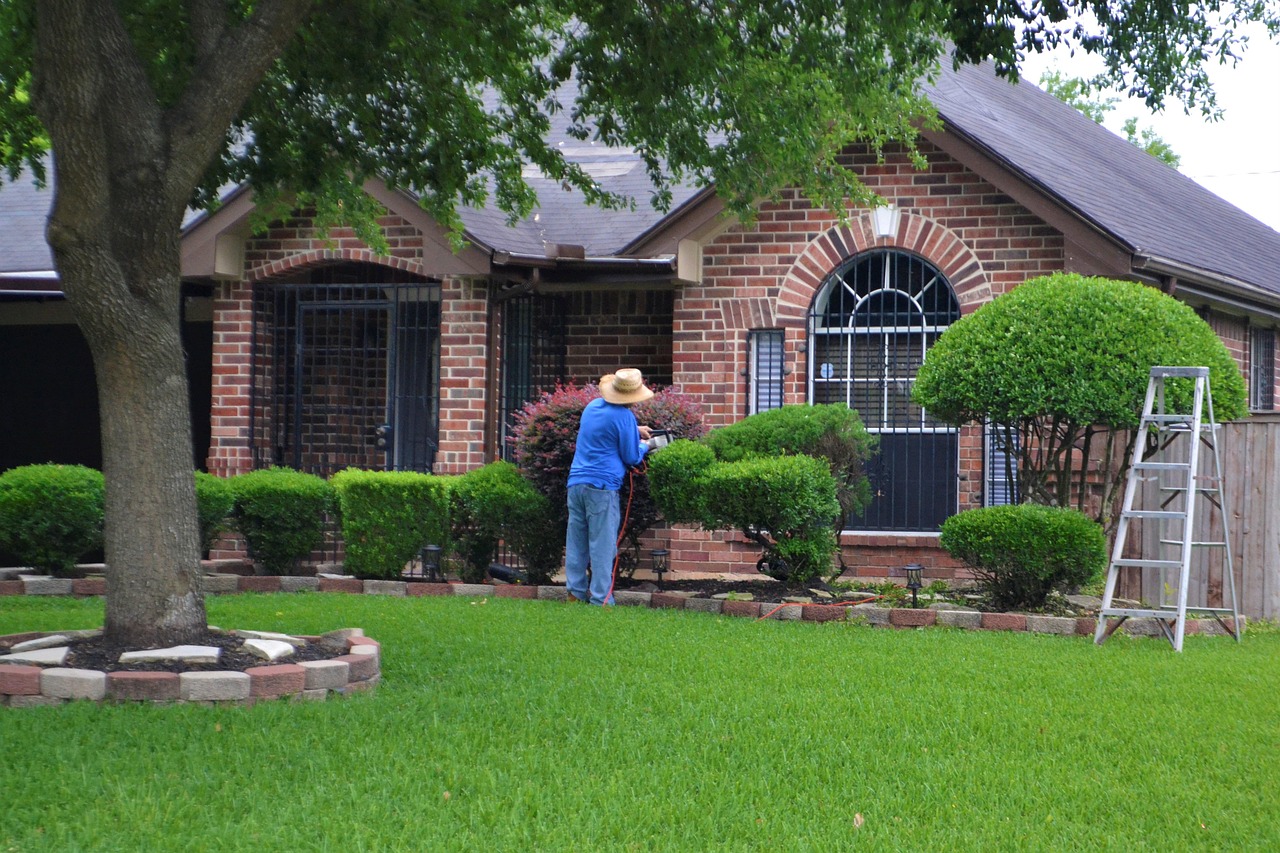
The most useful residential yard maintenance plan starts with the property itself. A shaded front yard, a sunny side yard, a compacted lawn beside a driveway, and a patio surrounded by containers will not follow the same schedule. Before setting a mowing, watering, or planting routine, note sun exposure, soil texture, slopes, drainage paths, existing trees, hardscape materials, irrigation coverage, and how people actually use the space.
Check climate and plant suitability
The USDA 2023 Plant Hardiness Zone Map remains a widely used reference for choosing perennial plants in the United States. It is based on average annual extreme minimum winter temperature and is shown in 10-degree Fahrenheit zones with 5-degree half zones. The map does not replace local knowledge about heat, wind, soil, or rainfall, but it helps homeowners avoid a common maintenance problem: installing plants that are unlikely to survive the local winter without repeated replacement.
Test soil before adding products
Many lawn and garden problems are treated as fertilizer issues when the real cause is soil condition, water, light, or compaction. University Extension guidance commonly recommends laboratory soil testing before routine fertilization, especially when renovating lawn areas, converting lawn to planting beds, or correcting poor growth. A soil test can identify pH, organic matter, phosphorus, potassium, and other factors depending on the lab. For many established yards, testing every three to five years is a reasonable rhythm unless a specific issue appears sooner.
A seasonal yard maintenance calendar
Seasonal timing keeps maintenance from becoming a loose pile of unrelated tasks. The exact months vary by region, but the sequence is consistent: inspect after winter, support plant strength during active growth, reduce stress during heat, and prepare the yard for dormancy or cooler weather.
| Season | Main objective | Practical maintenance focus |
|---|---|---|
| Early spring | Inspect and reset | Clear unsafe debris, check drainage, sharpen mower blades, test irrigation zones, schedule soil testing if needed, and prune winter damage only when plant type and timing are appropriate. |
| Late spring | Support active growth | Mow at the proper height, refresh mulch where thin, monitor weeds early, plant climate-suitable perennials, and confirm that water reaches roots rather than pavement. |
| Summer | Reduce stress | Water deeply but only when needed, use cycle-and-soak on slopes or clay soils, raise mowing height where appropriate, watch for pest damage, and keep patios and furniture zones clear and safe. |
| Fall | Build resilience | Overseed cool-season lawns where suitable, manage leaves as mulch or compost where practical, correct compacted areas, protect young plants, and clean drainage grates before storms. |
| Winter | Prevent damage | Inspect tree limbs, store or cover outdoor furniture, avoid piling snow or salt-sensitive runoff on planting beds, and plan repairs before peak growing season. |
Watering and drainage deserve more attention than they usually get
Water management is one of the highest-impact parts of residential yard maintenance. EPA WaterSense reports that outdoor water use accounts for about 30 percent of household water use nationally and can be much higher in dry regions or water-intensive landscapes. EPA guidance also notes that a large share of outdoor water can be wasted through evaporation, wind drift, runoff, or overwatering. For homeowners, the practical lesson is that watering longer is not always watering better.
Start by checking whether irrigation reaches plants evenly. Dry arcs, overspray on sidewalks, leaking heads, misting caused by excess pressure, and runoff at the curb all signal wasted water. A simple catch-can test, using several identical containers placed in the watering area, can show how long it takes sprinklers to apply a measured amount of water and whether coverage is even. Drip irrigation or soaker hoses are often better for shrubs, beds, and narrow planting strips because they deliver water near the root zone.
Drainage is the other side of the water question. Low spots beside foundations, compacted paths across lawns, clogged channel drains, and downspouts discharging into planting beds can create plant stress and building problems. Yard maintenance should include routine inspection after heavy rain. If water regularly stands near the house, crosses a patio, or erodes mulch, the issue may require grading, drainage correction, or professional evaluation rather than another layer of plants.
Lawns should be mowed for root health, not just appearance
Mowing is often the most frequent yard task, but its purpose is easy to underestimate. A lawn cut too short may look tidy for a few days, yet it can lose density, expose soil to weed germination, and increase heat and drought stress. University Extension programs commonly recommend maintaining many home lawns near 3 inches, while also noting that the right height depends on grass species and region. Maryland Extension gives a practical example: to maintain a 3-inch lawn, mow when the grass reaches about 4 inches.
Sharp blades matter because torn grass loses moisture and is more vulnerable to disease. Clippings can usually be left on the lawn when mowing is frequent enough that they do not form heavy clumps. This returns organic material and nutrients to the soil surface and reduces yard waste. Bagging may still make sense when grass is extremely tall, diseased, or when clippings would wash into drains or hardscape areas.
Fertilizer should be guided by soil test results, local rules, grass type, and season. More fertilizer does not automatically mean a stronger lawn. Excess nutrients can move with stormwater, and late or poorly timed applications may encourage weak growth. A maintenance plan should also treat soil compaction as a lawn issue. If foot traffic, play areas, or equipment have compacted the soil, aeration at the proper time for the grass type can be more useful than adding products on top.
Planting beds, mulch, and trees need careful spacing
Planting beds reduce lawn area, define outdoor rooms, and support seasonal interest, but they still need structure. Group plants by water need and mature size. Keep shrubs from blocking windows, vents, steps, and furniture circulation. Avoid planting large species in narrow strips where pruning will become a constant maintenance burden. This is especially important near patios, decks, fences, and outdoor seating, where overgrown plants can trap moisture and make routine upkeep harder.
Mulch is helpful when used correctly. Cornell and other Extension sources commonly recommend organic mulch layers around 2 to 4 inches for weed suppression and soil protection, while warning against piling mulch against trunks or stems. Volcano mulching can hold moisture against bark, hide root flare problems, and contribute to decline. Keep mulch pulled back from tree trunks and woody stems, and refresh only when the existing layer has thinned. Adding new mulch every season without checking depth can smother roots and waste material.
Compost can improve soil structure, support plant growth, and help soil retain water. EPA guidance identifies grass clippings, leaves, yard trimmings, and some food scraps as compostable organic materials when managed properly. For residential yards, the safest approach is to compost clean plant material, avoid diseased or herbicide-treated debris unless local guidance says it is suitable, and use finished compost as a soil amendment rather than as a thick mulch blanket against stems. See also: built-in furniture.
Hardscapes and outdoor furniture areas are part of the yard
Residential yard maintenance should include the built surfaces that make the yard usable: patios, walkways, decks, edging, retaining borders, steps, and furniture zones. These areas connect landscape care with everyday comfort. Leaves left on pavers can stain surfaces and become slippery. Soil washed across a walkway may indicate drainage failure. Chairs placed directly on wet grass can damage turf and create unstable footing. Planters without saucers or drainage control can discolor decking or trap moisture under outdoor furniture.
A monthly hardscape check can keep small issues from spreading. Sweep debris from corners, clear expansion joints, lift lightweight furniture before mowing, and confirm that irrigation is not spraying directly onto wood, metal, cushions, doors, or exterior walls. Where furniture sits on gravel, pavers, or decking, maintain a stable, level surface so chairs do not rock and table legs do not sink. If a patio doubles as a dining or lounge area, nearby planting should be chosen for low litter, manageable size, and enough clearance for cleaning.
Use pest and weed control as a decision process
Integrated pest management, often shortened to IPM, is a practical framework for yards because it starts with identification rather than automatic spraying. University of California IPM and UF/IFAS Extension describe IPM as combining prevention, monitoring, correct identification, cultural practices, mechanical controls, and targeted chemical controls when needed. For homeowners, that means first asking what the pest or weed is, how much damage it is causing, whether the plant is already stressed, and whether nonchemical steps could solve the problem.
Weeds in a thin lawn may point to mowing height, soil compaction, bare spots, or irrigation problems. Insects on a shrub may be temporary or controlled by beneficial insects. Fungal issues can be made worse by overhead watering late in the day or by dense growth that blocks airflow. If a pesticide is needed, label directions are not suggestions; they are the legal and safety instructions for use. Avoid applying products before rain, near drains, or on windy days that increase drift.
A repeatable residential yard maintenance checklist
The most effective checklist is short enough to use and specific enough to catch problems early. It should combine observation with action rather than repeat the same tasks every week regardless of conditions.
- Weekly during active growth: mow at the correct height, look for wilt, check new weeds, remove debris from patios and paths, and note broken irrigation heads.
- Monthly: inspect mulch depth, clear drains, trim plants blocking walkways, check furniture feet and deck contact points, and look for erosion around downspouts.
- Seasonally: adjust irrigation timing, sharpen mower blades, refresh thin mulch, evaluate bare lawn areas, prune according to plant needs, and clean or store seasonal furniture.
- Annually: review plant performance, update the maintenance calendar, inspect trees for structural concerns, plan soil testing if due, and budget for drainage or hardscape repairs.
This routine creates a useful feedback loop. Instead of reacting only after plants decline or surfaces fail, the homeowner can see patterns: the same dry corner, the same soggy bed, the same weed pressure, or the same slippery path after storms. Those patterns show where routine maintenance becomes long-term property management.
Frequently asked questions
How often should residential yard maintenance be done?
During the growing season, light observation should happen weekly, especially for mowing, watering, weeds, and safety hazards. Heavier tasks such as mulching, pruning, aeration, overseeding, soil testing, and drainage work should be timed by season, plant type, and local conditions rather than forced into a fixed monthly schedule.
Is watering or fertilizing more important for a healthy yard?
Neither should be treated as a shortcut. Watering affects immediate plant stress, while nutrients affect growth over time. The better question is whether the yard has the right plant in the right place, healthy soil, suitable mowing, and adequate drainage. Fertilizer without soil testing and irrigation without runoff control can both create new problems.
Should grass clippings and leaves be removed?
Grass clippings can usually remain when mowing is frequent and clumps are not heavy. Leaves can often be mulched into lawns in thin layers or used in compost, but thick mats should be removed from turf, drains, steps, and walkways. The goal is to recycle organic matter without smothering plants or creating slippery surfaces.
Can yard maintenance protect outdoor furniture?
Yes. Good yard maintenance reduces overspray, mud, leaf staining, unstable ground, and moisture trapped beneath furniture. Keeping plants trimmed back from seating areas and maintaining level patio or deck surfaces also makes outdoor furniture easier to clean and safer to use.
When should a homeowner call a professional?
Professional help is sensible for large tree limbs, persistent drainage near foundations, major grading changes, complex irrigation repairs, retaining wall movement, electrical landscape features, and pesticide applications that require licensing or specialized knowledge. Routine observation still matters because it helps define the problem clearly before work begins.