Wood veneer care and maintenance guide for furniture surfaces
What wood veneer needs from maintenance
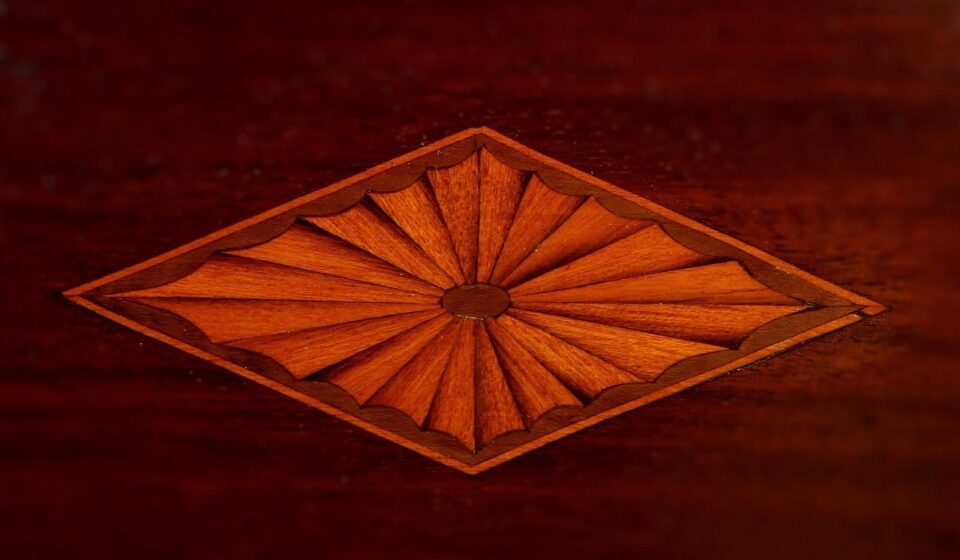
Wood veneer care and maintenance starts with a practical rule: protect the finish, because the finish protects the veneer. Veneer is a thin layer of real wood bonded to a core such as plywood, MDF, or particleboard, then sealed with a clear or tinted coating. This construction can make furniture stable and efficient, but the decorative wood layer is still sensitive to standing water, heat, direct sunlight, abrasive cleaning, and rapid humidity changes. The safest routine is straightforward: dust with a soft cloth, clean only with lightly damp methods when needed, dry the surface promptly, use coasters and pads, and keep the furniture away from extreme environmental swings.
This article focuses on practical furniture surfaces used in homes, offices, hospitality interiors, and built-in architectural furniture. For more articles in this topic area, visit our care and maintenance section.
Why veneer is durable but not maintenance-free
Veneer is often misunderstood. It is not printed laminate, and it is not a thick solid board. It is a real wood face, usually selected for grain, figure, and color, applied over a more dimensionally stable substrate. This allows designers and manufacturers to use attractive wood species more efficiently while reducing some of the movement associated with thick solid wood. Even so, veneer still responds to moisture changes, and the bond line between veneer and substrate can be stressed if the panel is soaked, overheated, or repeatedly exposed to harsh conditions.
Published conservation and architectural woodwork guidance generally points to the same broad risk areas for wood and veneered objects: moisture instability, light exposure, and careless handling. The Canadian Conservation Institute describes humidity change as a cause of swelling and shrinking in wooden furniture. The U.S. National Park Service and museum conservation resources also emphasize stable conditions, careful dusting, and avoiding treatments that cannot be reversed. In architectural interiors, the Architectural Woodwork Institute similarly treats storage, acclimation, cleaning, and environmental control as important parts of long-term performance.
For everyday use, veneer maintenance is less about applying more products and more about preventing stress. A clean, stable surface will usually last longer than one that is frequently polished, scrubbed, or treated with oils that were never intended for the finish.
Daily and weekly cleaning routine
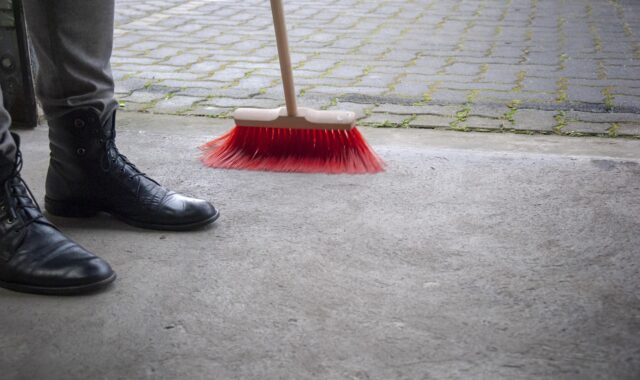
Most veneered furniture does not need strong cleaners. The safest daily method is dry dusting with a clean microfiber cloth or a very soft cotton cloth. Dust may look harmless, but it can contain fine grit. Dragging gritty dust across a glossy veneer finish with pressure can create fine scratches over time. Lift objects before dusting around them instead of pushing them across the surface.
For fingerprints, light smudges, or food residue, use a cloth dampened with clean water and wrung out thoroughly. The cloth should feel barely damp, not wet. Wipe the area gently, then follow with a dry cloth. If water alone is not enough, use a very small amount of mild pH-neutral dish soap diluted in water, then wipe again with a clean damp cloth and dry immediately. Always test an inconspicuous spot first, especially on older furniture, open-grain veneer, matte finishes, or pieces with unknown coatings.
Avoid abrasive pads, powdered cleansers, bleach, ammonia, strong degreasers, alcohol-heavy sprays, and steam cleaners. These can dull, soften, or break down the protective coating. Glass cleaner is also a poor default choice for veneer because many formulas are designed for nonporous glass, not furniture finishes. If a manufacturer has supplied a care sheet for a specific product, that guidance should override any general article.
Moisture, heat and sunlight control
Water is one of the most common causes of veneer damage. A spill that is wiped quickly may do no harm, but standing water can seep through seams, edges, scratches, or joints. Once moisture reaches the veneer layer or substrate, it may cause staining, swelling, bubbling, lifting, or cloudy marks in the finish. Use coasters under glasses, saucers under plant pots, and protective mats under vases, coffee machines, humidifiers, or anything that can trap condensation.
Heat creates a different kind of stress. Hot mugs, serving dishes, laptops, projectors, and small appliances can soften finishes or drive moisture through the coating. Use trivets, heat-resistant pads, and desk mats where heat is expected. Also avoid placing veneered furniture directly against radiators, fireplaces, heat vents, or air-conditioning outlets. Repeated local heating and cooling can make the surface age unevenly.
Sunlight affects both color and finish. Direct UV and strong daylight can fade some wood species, darken others, and create visible outlines where objects sit on the surface. Window films, blinds, curtains, and furniture placement all help reduce uneven fading. If decorative objects remain on a tabletop for months, move them occasionally so the covered and uncovered areas age more evenly.
Humidity targets for homes and commercial interiors
Wood responds to the moisture content of the surrounding air. In high humidity, it tends to absorb moisture and swell. In dry air, it releases moisture and shrinks. Veneered panels are engineered to reduce movement, but they are not immune to it. Sudden or repeated swings are often more damaging than a stable condition that is slightly imperfect.
For ordinary interiors, a practical relative humidity range around 40% to 60% is commonly used in furniture and interior care guidance. Museum and conservation recommendations may use narrower or context-specific ranges depending on the object, age, finish, and local climate. The useful takeaway for furniture owners is consistency. A stable building environment is better than a room that shifts from very dry winter heating to damp summer conditions without control.
In homes, a small hygrometer can help identify seasonal patterns. In dry winter conditions, a room humidifier may reduce shrinkage stress, but it should not blow vapor directly onto furniture. In damp climates, dehumidification, ventilation, and air conditioning can help prevent persistent high humidity. For offices, hotels, and built-in architectural furniture, humidity control should be considered part of the building maintenance plan, not only a furniture issue.
| Condition | Risk to veneer | Practical response |
|---|---|---|
| Very dry air | Shrinkage, checking, open joints, or finish stress | Use controlled humidification and avoid placing furniture beside heat sources |
| High humidity | Swelling, mold risk, adhesive stress, and edge lifting | Improve ventilation, use dehumidification, and keep surfaces dry |
| Rapid swings | Repeated expansion and contraction | Maintain steady HVAC settings and avoid storage in garages or unconditioned rooms |
| Direct sunlight | Fading, darkening, or uneven color change | Use blinds, films, or repositioning to reduce exposure |
Polish, wax and oil choices
Many veneer problems start with the wrong maintenance product. Modern veneered furniture usually has a sealed finish such as lacquer, polyurethane, conversion varnish, UV-cured coating, or another factory-applied system. These finishes do not need to be fed with oil. The idea that dry wood furniture needs regular oil feeding is not a reliable rule for sealed veneer. Oil can leave a residue, attract soil, create uneven sheen, or interfere with future refinishing.
Spray polishes should also be used cautiously. Some contain silicones or oils that create temporary shine but can build up over time. On conference tables, desks, and hospitality furniture, excess polish may make the surface streaky or slippery. If a polish is approved by the furniture manufacturer, apply it sparingly to the cloth rather than spraying heavily onto the furniture. See also: built-in furniture.
Wax can be appropriate for some traditional finishes, antiques, or museum-style care programs, but it is not automatically right for every veneered surface. Paste wax on an incompatible modern coating can smear, cloud, or create maintenance problems. Wax should never be used to hide active lifting, water damage, or finish failure. When in doubt, keep the routine simple: dust, lightly damp clean when necessary, and dry immediately.
Handling, protection and repair limits
Good veneer care includes how the furniture is used. Use felt pads under lamps, trays, desk accessories, and decorative objects. Avoid rubber or vinyl pads unless the manufacturer confirms they are safe for the finish, because some flexible materials can react with coatings or leave marks. Do not drag heavy objects across a veneer surface. Lift them, clean underneath, and set them down carefully.
Edges require extra care because veneer layers, edgebanding, and seams are more exposed there than in the middle of a panel. On desks and tables, repeated impact from chairs, bags, keys, or cleaning carts can chip corners. In commercial interiors, protective habits should be part of staff training. Housekeeping teams should know which cleaners are approved, which surfaces should not be saturated, and why plant pots, ice buckets, and hot service trays need barriers.
Minor surface scuffs may be finish damage rather than veneer damage. A professional can sometimes reduce them by polishing or applying a compatible touch-up coating. Deep scratches, missing chips, raised bubbles, loose veneer, and white or black water marks need more caution. Veneer is thin, so aggressive sanding can cut through the decorative face quickly. If the piece has design value, historic value, or expensive matching veneer, consult a qualified furniture restorer rather than attempting heavy sanding or random stain matching.
A practical maintenance schedule
A schedule helps prevent both over-cleaning and neglect. The goal is to match the task to the risk level of the surface. A lightly used sideboard does not need the same routine as a hotel reception desk or restaurant service station.
| Frequency | Task | Why it matters |
|---|---|---|
| Daily or after use | Blot spills, remove condensation, and use coasters or mats | Prevents moisture from reaching seams and finish defects |
| Weekly | Dust with a soft microfiber or cotton cloth | Reduces abrasive grit and keeps the surface clear |
| Monthly | Inspect edges, corners, hardware areas, and plant or accessory locations | Finds early lifting, staining, or wear before it spreads |
| Seasonally | Check indoor humidity and sunlight patterns | Adjusts care for heating, cooling, and daylight changes |
| Annually | Review manufacturer instructions and assess high-use surfaces | Helps decide whether professional touch-up or finish care is needed |
For contract furniture, add a written cleaning protocol to the maintenance file. The protocol should list approved cloths, approved cleaners, prohibited chemicals, and reporting steps for damage. This is especially useful when multiple cleaning teams or tenants use the same space.
Frequently asked questions
Can wood veneer be cleaned with water?
Yes, but only sparingly. Use a lightly damp cloth for residue, then dry the surface immediately. Do not pour water onto veneer, leave wet cloths on it, or use steam cleaning.
Should I oil wood veneer furniture?
Usually no. Most modern veneer furniture is sealed with a finish, and oil will not nourish the wood beneath that coating. It may leave residue or uneven sheen. Use only products recommended by the furniture manufacturer or a qualified restorer.
Can scratched veneer be refinished?
Sometimes, but the limit is the thickness of the veneer and the condition of the finish. Light finish scratches may be improved professionally. Deep sanding is risky because it can cut through the veneer face.
What is the best humidity for veneered furniture?
A stable indoor range around 40% to 60% relative humidity is a practical target for many homes and commercial interiors. More important than chasing a perfect number is avoiding rapid swings, very dry heat, and prolonged dampness.
How do I prevent rings on veneer tables?
Use coasters, placemats, and trivets before moisture or heat reaches the finish. Wipe condensation quickly. Once a ring forms, avoid harsh home remedies until you know whether the mark is in the surface film or below the finish.
The main takeaway
Wood veneer care is preventive. Keep the surface clean, dry, and protected; control sunlight and humidity; avoid unnecessary oils and harsh cleaners; and treat repairs with restraint. Veneer can perform well in furniture and architectural interiors, but its thin real-wood face rewards careful maintenance more than aggressive treatment. When the finish is respected, the veneer underneath has the best chance to keep its color, grain, and smooth surface through years of regular use.