Furniture making materials and how to choose them for durable designs
How to choose furniture making materials
Furniture making materials should be selected according to the job each part has to do: carrying load, forming a flat panel, creating a visible surface, supporting a cushion, holding a joint or protecting the product in use. Solid hardwood can provide strength, repairability and a natural surface. Plywood can deliver stable panels. MDF is useful for smooth painted parts. Particleboard can work in cost-sensitive flat-pack furniture when it is properly edged and protected. Metal, glass, stone, upholstery, foam, adhesives and finishes all affect the finished product’s strength, comfort, cost, weight and maintenance requirements. For more background on related material choices, see the furniture materials section.
The practical question is not which material is best in every situation. It is which combination meets the durability, appearance, manufacturability, compliance and price targets for a specific furniture design.
Quick comparison of common furniture materials
| Material | Common use | Main advantages | Key limitations to check |
|---|---|---|---|
| Solid hardwood | Tables, chairs, legs, rails, premium case goods | Strong, repairable, refinishable and visually distinctive | Wood movement, species availability, cost and moisture control |
| Softwood | Rustic furniture, internal frames, light-duty shelving | Light, workable and often economical | Dents more easily than many hardwoods and may need careful finishing |
| Plywood | Cabinet boxes, shelves, drawer parts, curved forms | Stable sheet material with good strength-to-weight balance | Edge appearance, veneer grade, delamination risk and panel certification |
| MDF | Painted doors, decorative panels, routed profiles | Smooth surface, uniform machining and no visible grain | Heavy, vulnerable to moisture and weaker on screw edges unless designed well |
| Particleboard or MFC | Flat-pack furniture, laminate panels, budget case goods | Cost-efficient, dimensionally consistent and easy to cover with laminate | Lower fastener holding, swelling at damaged edges and limited repair options |
| Veneer over panel | Cabinet fronts, tabletops, wall units | Uses attractive wood efficiently and keeps panels stable | Needs good substrate, careful edge banding and consistent grain matching |
| Metal | Chair frames, bases, brackets, legs, outdoor furniture | High strength, slim sections and modern visual language | Corrosion protection, welding quality, surface finish and thermal feel |
| Glass, stone or ceramic | Tabletops, inserts, accent surfaces | Hard, cleanable and visually refined | Weight, breakage risk, edge safety and support design |
| Upholstery fabric, leather or coated textiles | Sofas, chairs, headboards, panels | Controls comfort, color, texture and acoustic feel | Abrasion, fading, cleaning method, flammability and chemical declarations |
| Foam, fiber and cushion fills | Seat cushions, backs, arms, mattresses in sofa beds | Defines softness, resilience and support | Compression set, ventilation, aging, odor and fire-safety requirements |
Wood remains central, but the form matters
Wood is still the reference material for much of furniture making because it is workable, warm to the touch and structurally useful. In production, however, a furniture design rarely uses wood in only one form. A single cabinet may combine solid wood edging, plywood sides, MDF doors, veneer faces, metal hardware and a sprayed or UV-cured finish. A chair may use solid wood or metal for the frame, plywood for a molded shell and foam plus textile for comfort.
Solid hardwoods and softwoods
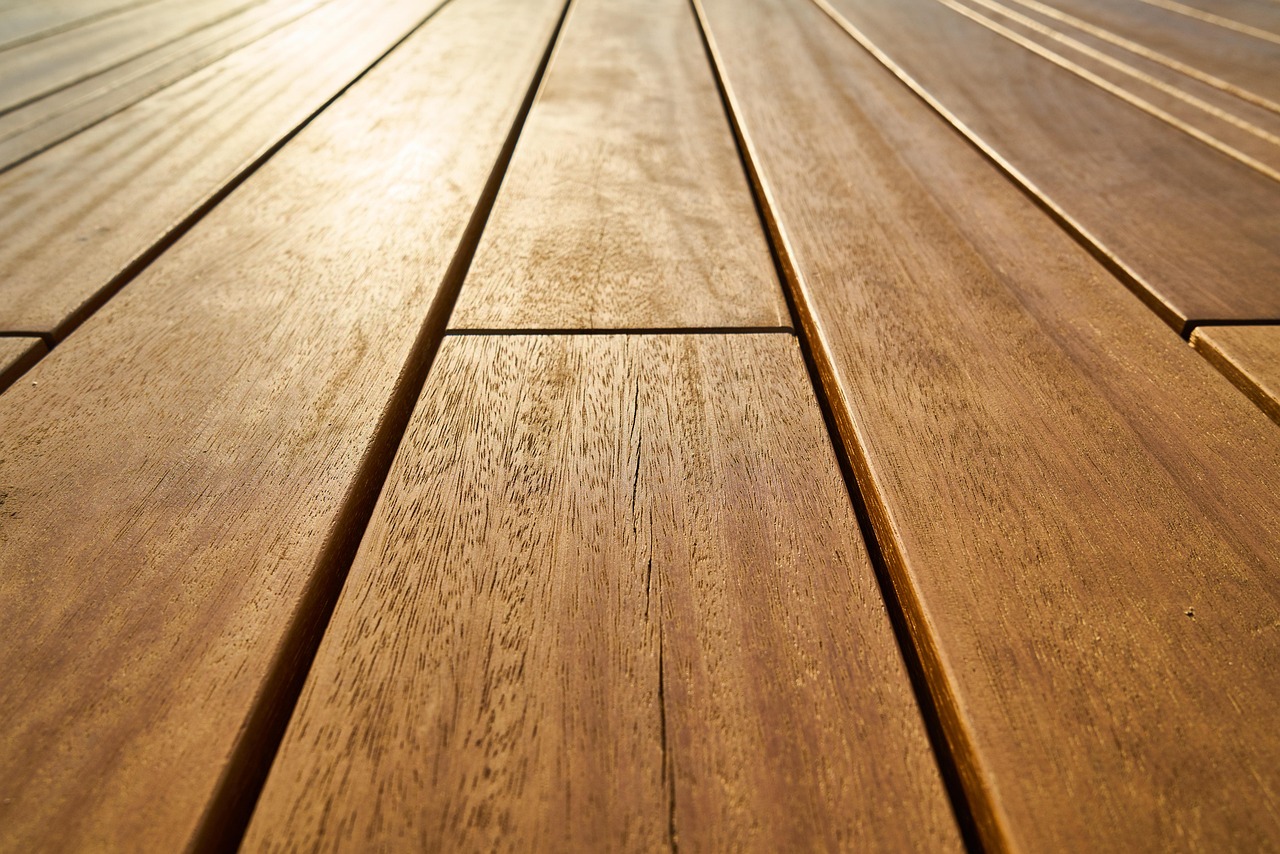
Solid wood is often chosen when a part must resist repeated stress, accept joinery or remain attractive after years of use. Oak, maple, ash, beech and walnut are common examples in furniture, although local availability and sourcing rules vary by market. Density, grain structure and moisture content affect machining, bending, dent resistance and fastener holding. Because wood expands and contracts with humidity, wide tabletops, doors and panels need construction details that allow movement rather than locking the wood too tightly.
Softwoods can be appropriate for casual furniture, children’s furniture, painted components and internal frames. They are usually easier to cut and lighter to handle, but the surface may dent faster in high-contact areas. For visible parts, the finishing schedule matters as much as the species. Knots, resin pockets and uneven absorption can become design features or quality problems, depending on the intended look.
Engineered wood panels
Engineered panels solve many problems that solid boards create. Plywood is made from layers of veneer with grain directions arranged to improve stability. MDF uses wood fibers bonded into a uniform sheet, which is why it routs and paints cleanly. Particleboard uses wood particles and resin to create economical panels for laminated furniture. These products are not interchangeable. Plywood is usually preferred where bending strength, screw holding and lighter weight matter. MDF is often better for painted doors and shaped profiles. Particleboard is common in melamine-faced or laminate-faced panels where surface protection and cost control are central.
Composite wood also brings compliance responsibilities. The U.S. Environmental Protection Agency identifies hardwood plywood, MDF and particleboard as the three composite wood product categories regulated under TSCA Title VI formaldehyde emission rules. California’s CARB composite wood program is also widely referenced in panel purchasing. For furniture sold into regulated markets, buyers should request compliant panel documentation instead of relying only on verbal assurances or generic low-emission claims.
Panel selection is where cost, quality and risk often diverge
Many visible quality issues in furniture begin with the wrong panel choice. A long shelf made from a weak core may sag. A bathroom cabinet with exposed particleboard edges may swell. A painted door made from unstable stock may telegraph joints. A veneer panel with poor edge banding may chip even if the surface looks premium on day one.
For shelving and case goods, the span, load and fixing method should be decided before the material is selected. Plywood can be a strong option for longer spans, while MDF or particleboard may need thicker sections, added edging or intermediate supports. For painted furniture, MDF gives a flat and consistent surface, but edges need sealing because they absorb finish differently from faces. For laminate furniture, the durability of the edge tape, adhesive line and corner protection can be more important than the panel core itself.
Moisture-resistant grades can reduce swelling risk, but they should not be treated as waterproof unless the supplier specifically warrants the material for that environment. Kitchens, bathrooms, hospitality spaces and outdoor-adjacent areas need more conservative detailing, such as sealed edges, raised feet, ventilation gaps and finishes that tolerate cleaning chemicals.
Non-wood materials expand strength, style and lifecycle options
Metal components
Steel and aluminum are often used where thin profiles, repeatable strength or knock-down assembly are needed. Steel offers high strength and can support slim chair legs, table bases and structural brackets. Aluminum is lighter and corrosion resistant, making it useful for movable furniture and many outdoor designs. Metal parts still need careful specification. Welds, wall thickness, powder coating, plating, galvanizing and contact with dissimilar metals all affect long-term performance.
Metal can also reduce the amount of bulky wood needed in a design. A wooden tabletop on a steel frame, for example, may use the warmth of wood where the user touches the product and the stiffness of metal where the structure carries load. This mixed-material approach can improve durability, but it adds coordination work at connection points because screws, inserts, adhesives and tolerances must be compatible.
Glass, stone, ceramic and plastics
Glass, stone and ceramic surfaces can provide scratch resistance, heat resistance and a premium appearance for tables and cabinets. Their main design challenges are weight, impact behavior and edge safety. A stone top may require stronger support and careful packaging. A glass top may need tempered or laminated construction, depending on the application and local safety expectations.
Plastics and composites are useful for outdoor furniture, molded shells, glides, edge protectors and hardware. Recycled plastic lumber can perform well in wet environments, but designers must account for thermal expansion, UV exposure, creep and fastener pull-out. As with wood-based materials, broad environmental claims should be supported by clear material data and traceable documentation.
Soft materials determine comfort as much as structure
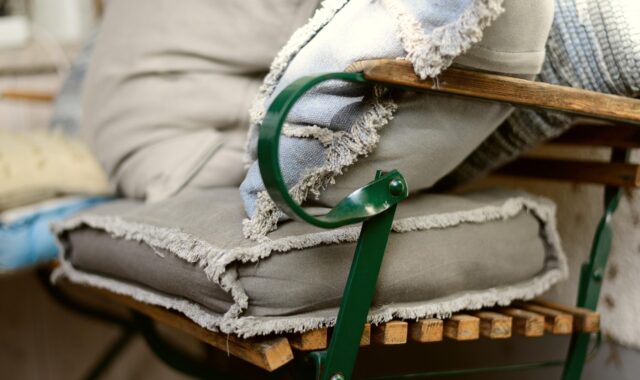
In seating, the frame keeps the furniture standing, but upholstery determines how the user experiences it. Cover fabric, leather, coated fabric, webbing, springs, foam, fiber wrap and cushion construction all interact. A dense foam can still feel uncomfortable if the profile is wrong. A good-looking fabric can fail early if it pills, fades, stretches or cannot be cleaned in the intended setting.
Important upholstery checks include abrasion resistance, colorfastness, seam strength, cleaning code, pilling tendency and resistance to body oils or sunlight. Natural fibers such as cotton, linen and wool offer familiar textures, while synthetics such as polyester, nylon and acrylic can improve durability or stain resistance. Leather brings repair and aging advantages in some applications, but it varies widely by tanning method, finish, thickness and grade. Coated fabrics may be easier to clean, yet they can crack or peel if the coating quality is poor or if plasticizers migrate over time. See also: built-in furniture.
Foam selection should be based on density, firmness, resilience and the expected use cycle. Residential lounge seating, office task seating, hotel lobby sofas and contract banquettes do not experience the same loading. Fiber, feather and down blends change softness and appearance but may require regular maintenance. For upholstered furniture in the United States, the Consumer Product Safety Commission codified the federal upholstered furniture flammability standard at 16 C.F.R. Part 1640, adopting California TB 117-2013’s smoldering resistance approach for covered products. Compliance does not automatically mean a product contains added flame retardants, so labels and supplier declarations should be reviewed.
Adhesives, fasteners and finishes should be specified early
Adhesives and fasteners are easy to overlook because they are less visible than wood or fabric. In practice, they often determine whether furniture survives normal use. PVA glues are common in wood joinery, polyurethane adhesives can help in some mixed-material or moisture-exposed situations, hot-melt systems are used for edge banding, and specialty epoxies may be needed for metal, stone or glass connections. The right adhesive depends on substrate, open time, clamping method, cure condition, heat resistance and repair expectations.
Fasteners should match both the material and the assembly model. Solid wood joinery can use mortise-and-tenon, dowels, biscuits, screws or concealed connectors. Panel furniture often uses cams, confirmat screws, inserts and knock-down fittings. MDF and particleboard need special care around pilot holes, edge distances and repeated assembly because their internal structure is less forgiving than solid wood.
Finishes protect the surface and define the appearance. Oils and waxes can be repairable and tactile but may need maintenance. Lacquer, varnish, waterborne coatings and UV-cured finishes can provide stronger barriers when specified correctly. Powder coating and anodizing are common metal finishes. A finish should be selected with the cleaning routine in mind, not only the showroom appearance.
Sourcing and compliance questions before production
Material selection should include documentation, especially for furniture that will cross borders or enter commercial projects. The ANSI/BIFMA e3-2024 Furniture Sustainability Standard addresses sustainability topics for business and institutional furniture, including materials, chemicals, energy, product life cycle and end-of-life considerations. FSC chain of custody certification is commonly used to support claims about responsibly sourced forest-based materials, but the claim must be traceable through the supply chain; a logo in a catalogue is not a substitute for valid documentation.
European Union deforestation rules have also increased attention on wood traceability. European Commission information identifies wood and certain derived products, including furniture, within the scope of the EU Deforestation Regulation, with implementation timing updated toward the end of 2026. Companies placing furniture on the EU market should verify current obligations before shipment because the rule focuses on traceability and legality, not only the species name.
- Where will the furniture be sold, and which formaldehyde, flammability, labeling or sourcing rules apply?
- Which documents prove panel compliance, and do they connect to the exact product batch?
- Is the wood claim supported by chain-of-custody records, invoices and valid certificate information?
- Will the material face humidity, sunlight, abrasion, cleaning chemicals or heavy public use?
- Can high-wear parts such as covers, glides, cushions, tops or hardware be replaced?
- Are chemicals of concern, including formaldehyde, PFAS, flame retardants or PVC, relevant to the customer’s specification?
A simple workflow for matching material to product type
- Define the function first. Separate structural parts, surface parts, comfort parts and decorative parts before selecting materials.
- Choose the core before the surface. A veneer, laminate or paint finish is only as reliable as the substrate below it.
- Prototype the joints. Test screw holding, glue lines, inserts, edge banding and knock-down fittings under realistic assembly conditions.
- Match finish to use. Dining tables, hotel desks, office chairs and bedroom cabinets face different wear and cleaning patterns.
- Request documentation early. Panel compliance, upholstery flammability, sourcing claims and chemical declarations are easier to verify before production.
- Plan for repair. Replaceable cushions, removable covers, standard hardware and refinishable surfaces can extend service life.
For example, a dining table might use solid wood or veneered plywood for the top, metal or solid wood for the base, threaded inserts for serviceable assembly and a finish tested against spills and heat. A budget wardrobe may use melamine-faced particleboard, but quality depends heavily on edge sealing, hardware selection and back-panel stiffness. A sofa may use a hardwood or engineered frame, webbing or springs, layered foam, fiber wrap and a cover fabric selected for the cleaning environment.
Frequently asked questions
What is the most versatile material for furniture making?
Plywood is one of the most versatile sheet materials because it can serve in cabinets, shelves, drawers, chair shells and built-in furniture. It is not a replacement for every part, though. Solid wood is often better for exposed legs and joinery, MDF is often better for smooth painted profiles, and metal may be better for slim high-strength frames.
Is MDF a poor choice for furniture?
MDF is not a poor choice when it is used in the right place. It is useful for painted doors, panels and routed decorative parts because it is smooth and uniform. It is less suitable for wet areas, repeated screw removal or thin load-bearing parts unless the design accounts for those limits.
Which material is better for shelves, plywood or particleboard?
Plywood is generally preferred for shelves that need higher strength, longer spans or better screw holding. Particleboard can work for shorter shelves and cost-sensitive furniture when it is thick enough, properly supported and protected with durable facing and edge banding.
Are solid wood materials always more sustainable?
Not automatically. Sustainability depends on forest management, yield, transport, durability, repairability, finishing, waste and documentation. A long-lasting solid wood item from verified responsible sources can be a strong choice, but a well-designed engineered panel product that uses wood efficiently may also perform well when it lasts and can be repaired or recycled.
What should buyers ask a furniture material supplier?
Buyers should ask for material specifications, panel emission compliance, sourcing documents, finish data, upholstery test information where relevant, care instructions and warranty limits. The most useful supplier answer is specific to the batch, product type and destination market, not a generic statement that the material is high quality.