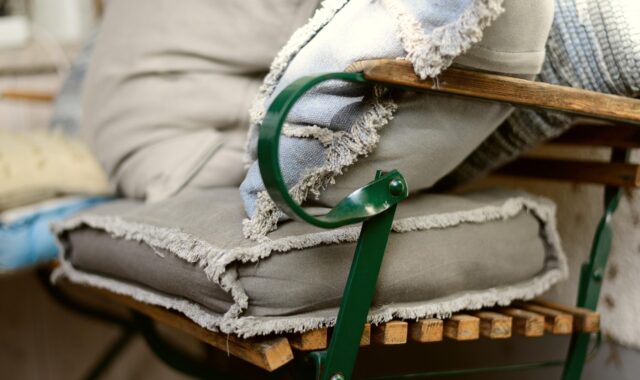
Latest furniture materials in 2026 for circular and low-emission design

What latest means for furniture materials in 2026
For buyers, designers and manufacturers, the latest furniture materials in 2026 are not defined by novelty alone. The stronger market direction is toward materials that can be documented, repaired, reused, recycled or responsibly sourced while still meeting expectations for durability, comfort and indoor air quality. Public signals from interzum 2025, Heimtextil 2026, ANSI/BIFMA e3-2024, the U.S. EPA composite wood rules and current European Union sustainability regulations all point in the same direction: material choice is becoming a performance and compliance decision, not only a design decision.
This does not mean traditional wood, plywood, metal, foam and fabric are disappearing. It means they are being specified with more attention to lower emissions, recycled content, bio-based chemistry, modular construction and clearer supply-chain data. For related material updates, visit the furniture materials section.

The main material directions gaining attention
Several material families are shaping furniture development in 2026. Some are already used at scale, while others are still limited to premium projects, prototypes or specialist applications. The most useful way to assess them is to look at readiness, verification needs and where each material can realistically perform.
Circular wood-based panels and engineered boards
Wood-based panels remain central to cabinets, shelving, office systems, flat-pack furniture and interior fit-outs. The current shift is not simply toward more MDF, particleboard or plywood. It is toward panels with documented recycled wood content, lower-emission binders, repairable surfaces and clearer chain-of-custody data. In the U.S. market, composite wood products used in furniture must account for TSCA Title VI formaldehyde requirements, which have applied to regulated products and finished goods manufactured in or imported into the United States after March 22, 2019.
For manufacturers, documentation is now part of the material choice. A panel may look sustainable in marketing copy, but buyers should still request emissions certification, recycled-content claims, supplier traceability and surface durability data. For specifiers, the practical opportunity is to use engineered panels more precisely: choose the right core density, surface, edge treatment and fastening system so the finished product lasts longer and is easier to repair.
Bio-based binders, fibers and fillers
Bio-based inputs are among the most discussed directions in furniture materials. Examples include lignin-based or other plant-derived binders, agricultural fibers, hemp-based composites, flax fiber reinforcements, cork, bamboo, molded pulp and experimental mycelium-based boards. These materials are attractive because they can reduce reliance on fossil-based inputs and may support lower-carbon product stories when they are responsibly sourced and manufactured.
The category still needs careful specification. Not every bio-based material is automatically lower impact, more durable or ready for high-volume furniture production. Moisture resistance, dimensional stability, fire performance, abrasion resistance, bonding strength and cost still determine whether a material can move from prototype to production. A bio-based panel or surface should be treated as a candidate material that needs test data, not as a guaranteed improvement.
Recycled and regenerated upholstery textiles
Upholstery is also changing quickly. Heimtextil Trends 25/26 highlighted recycled materials and new production processes, while Heimtextil 2026 presented current textile collections and material solutions for interior design. In furniture, this translates into fabrics made with recycled polyester, regenerated nylon, blended natural fibers, wool-rich textiles, recycled cotton blends and more transparent finishing processes.
The key issue is balance. Upholstery must perform under abrasion, pilling, colorfastness, cleaning and flame-related requirements depending on the market and application. A recycled yarn story is useful, but contract furniture buyers usually need Martindale or Wyzenbeek abrasion results, cleaning guidance, chemical disclosure and replacement availability. In residential furniture, the priority may be comfort, hand feel and stain resistance. In hospitality and office settings, the same textile also has to withstand intensive use and repeated cleaning.
Low-emission adhesives, coatings and finishes
Adhesives and coatings are less visible than wood grain or textile color, but they are central to the latest furniture material discussion. Low-emission adhesives, water-based coatings, UV-cured finishes and powder coatings are gaining attention because they affect indoor air quality, manufacturing conditions and end-of-life options. They also influence how well a product resists scratches, stains, moisture and cleaning chemicals.
For buyers, the important point is to separate a low-emission claim from a full product claim. A cabinet may use a compliant board but still require assessment of the laminate, coating, edge banding and adhesive package. A chair may use recycled fabric but still depend on foam chemistry, bonding layers and surface treatments. Material evaluation should cover the full assembly, not just the most marketable component.
Recycled metals, plastics and mono-material components
Metals and plastics are not new, but the way they are specified is changing. Recycled aluminum, recycled steel, post-consumer plastic components and recyclable polypropylene shells can support circular design when they are used in simple, separable assemblies. Mono-material thinking is especially useful in chairs, storage units, outdoor furniture and accessories where a component can be recovered without complicated disassembly.
The limitation is that recycled content alone does not solve the whole problem. Hardware, mixed inserts, coatings, fabric bonding and hidden fasteners can make recycling harder. The stronger approach is to pair recycled input with design for disassembly, replaceable parts and a clear recovery route. A chair with a recyclable shell but permanently bonded layers may be less circular than a simpler product with replaceable components.
Why regulation and standards are shaping material choices
Material trends are now strongly influenced by compliance expectations. This is especially true for wood-based furniture, contract furniture and products entering large institutional, U.S. or EU-linked supply chains.
Indoor air quality remains a baseline requirement
Low-emission materials are not only a sustainability topic. They are also a health, procurement and risk-management issue. The U.S. EPA’s TSCA Title VI framework for formaldehyde emissions affects hardwood plywood, medium-density fiberboard, particleboard and finished goods containing regulated composite wood products. That makes emissions documentation essential for furniture importers and sellers handling composite wood items in the U.S. market.
For furniture buyers, the latest material still has to pass a basic practical test: can the supplier provide the correct documentation? Trend-forward panels, veneers or laminated products should not be accepted without emissions evidence when they fall within regulated categories. See also: built-in furniture.
European rules are pushing traceability and circularity
The European Union’s Ecodesign for Sustainable Products Regulation, dated June 13, 2024, created a framework for future product requirements related to durability, repairability, recycled content, environmental footprint and product information. Furniture-specific details depend on later product rules, but the direction is clear: product data will matter more.
The EU Deforestation Regulation is also relevant to furniture because wood and certain derived products are in scope. According to European Commission implementation updates available in 2026, the regulation is scheduled to apply from December 30, 2026 for large and medium-sized operators and for some micro and small operators already covered by the earlier EU Timber Regulation, with June 30, 2027 applying to other micro and small operators. For furniture teams using timber, veneer, plywood or other wood-derived inputs, this increases the importance of origin data and supplier due diligence.
Contract furniture standards are moving beyond single-attribute claims
The ANSI/BIFMA e3-2024 Furniture Sustainability Standard is another sign that material evaluation is becoming broader. BIFMA communications in 2025 described the 2024 revision as placing more emphasis on material identification, chemical data, embodied carbon and circular economy topics. This matters because office, education, healthcare and public-sector projects increasingly ask for furniture that can support multi-attribute sustainability goals rather than a single recycled-content claim.
For manufacturers, this encourages better documentation at the component level. For specifiers, it supports more disciplined comparisons between products that may all claim to be sustainable but differ in emissions, material transparency, durability, serviceability and end-of-life planning.
How leading material options compare
| Material direction | Why it matters in 2026 | What to verify | Practical furniture fit |
|---|---|---|---|
| Circular engineered wood panels | Supports efficient use of wood resources and scalable production | Formaldehyde compliance, recycled content, chain of custody, edge durability | Cabinets, shelving, office systems, residential casegoods |
| Bio-based binders and fiber boards | Reduces dependence on fossil-based inputs when performance is proven | Moisture resistance, strength, emissions, fire performance, production maturity | Decorative panels, acoustic elements, experimental furniture, low-load components |
| Recycled upholstery textiles | Responds to demand for lower-impact soft materials | Abrasion, pilling, colorfastness, cleaning method, chemical disclosure | Sofas, lounge chairs, office seating, hospitality furniture |
| Low-emission adhesives and coatings | Improves indoor air quality profile and supports compliance | VOC data, compatibility with substrate, scratch and stain resistance | Almost all wood, panel and upholstered furniture assemblies |
| Recycled metal and plastic components | Can reduce virgin material demand and support take-back models | Recycled-content evidence, strength, finish durability, separability | Chair frames, shells, bases, handles, outdoor furniture |
| Digitally traceable material systems | Prepares products for stronger documentation and future passport-style data | Supplier data quality, batch records, material composition, update process | Contract furniture, export-oriented furniture, projects with sustainability reporting |
A practical selection checklist
The latest material is not always the right material. A responsible furniture specification should start with use conditions and then review environmental claims. The following checklist can help reduce risk:
- Define the use case first. Residential, hospitality, education, healthcare, outdoor and office furniture have different durability and cleaning demands.
- Ask for test data. Marketing claims should be supported by emissions certificates, strength tests, abrasion ratings, coating performance data or other relevant evidence.
- Review the whole assembly. A sustainable textile or panel can be weakened by non-repairable construction, high-emission adhesives or hard-to-separate layers.
- Check the repair path. Replaceable covers, standard fasteners, accessible hardware and modular parts often matter more than a small percentage of recycled content.
- Confirm sourcing claims. Wood, veneer, cork, bamboo and agricultural fibers should have credible origin and legality documentation.
- Plan for end of life. Reuse, refurbishment, parts harvesting and recycling should be considered before production, not after disposal.
Where furniture materials are likely to move next
The near-term direction is toward hybrid material strategies. A well-designed 2026 furniture product may combine a certified low-emission panel, recycled metal hardware, water-based finish, replaceable upholstery and better material records. The innovation is in the system, not only in one new substrate.
Expect more suppliers to present product-level documentation, not just material samples. Furniture teams will ask for origin data, emissions evidence, recycled-content records, repair instructions and component breakdowns earlier in the design process. This will favor materials that are not only attractive and durable but also easy to explain in procurement documents.
At the same time, caution is necessary. Some emerging materials will remain niche because of cost, scale, moisture sensitivity or uncertain performance. Mycelium boards, agricultural-waste composites and new bio-resins are important areas to watch, but they should be specified only where test results match the application. In high-load, wet, heavily cleaned or code-sensitive environments, proven materials with better documentation may be the more responsible choice.
Frequently asked questions
What are the latest furniture materials in 2026?
The most relevant categories are circular engineered wood panels, bio-based binders and fibers, recycled upholstery textiles, low-emission adhesives and finishes, recycled metal or plastic components and digitally traceable material systems. Their value depends on performance data, compliance documentation and suitability for the product type.
Are bio-based furniture materials always more sustainable?
No. Bio-based content can be beneficial, but sustainability depends on sourcing, manufacturing energy, durability, emissions, repairability and end-of-life options. A bio-based material that fails early or cannot be recycled may not outperform a conventional material used efficiently.
Which material issue matters most for wood furniture in the U.S.?
For composite wood furniture, formaldehyde emissions remain a key compliance issue. Buyers should confirm that regulated hardwood plywood, MDF, particleboard and finished goods containing them meet applicable TSCA Title VI requirements when sold or imported in the U.S. market.
How can buyers avoid weak sustainability claims?
Ask for specific evidence: emissions certificates, recycled-content documentation, chain-of-custody records, abrasion and durability results, coating data, repair instructions and end-of-life information. Clear documents are more reliable than broad claims such as eco-friendly or green.
Will digital product passports change furniture materials?
They are likely to increase demand for better material data, especially in EU-linked supply chains. Even before furniture-specific passport rules are finalized, manufacturers that organize material composition, sourcing and repair data will be better prepared for future procurement and regulatory expectations.