Abanos interior fit out & joinery and the UAE model for integrated delivery

Why the Abanos model matters in interior fit-out
Searches for abanos interior fit out & joinery are usually not just searches for a company name. In the UAE interiors market, they often reflect a procurement question: why are large fit-out projects increasingly awarded to contractors that can link design coordination, engineering, joinery manufacturing, site installation and compliance within one delivery structure?
Public company information describes Abanos as a UAE-based interior fit-out and joinery business with in-house manufacturing, a long operating history and management system certifications covering quality, environmental and occupational health and safety. For buyers, designers and project teams, the useful lesson is not only who the contractor is. It is how an integrated fit-out model can reduce coordination gaps, improve material control and support faster execution when the work is planned and managed properly.
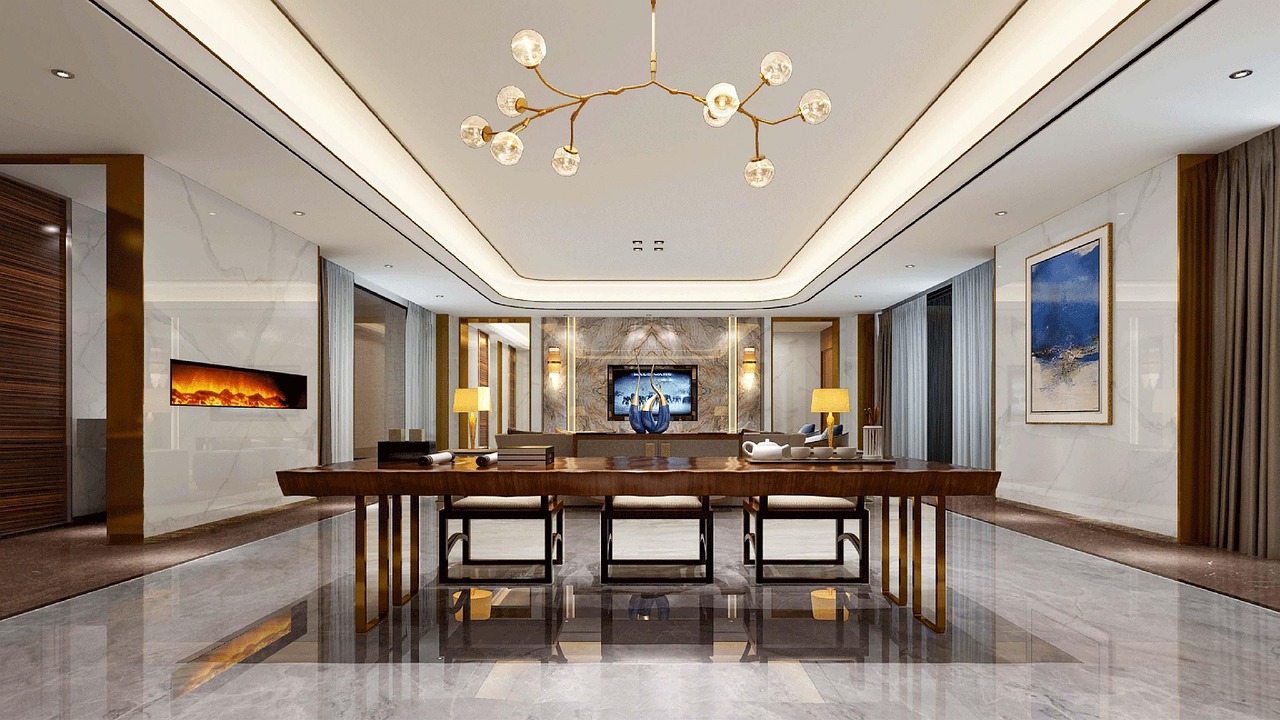
This article is an industry analysis, not a company profile written on behalf of Abanos. It looks at what publicly available information suggests, what buyers should verify independently and why the UAE fit-out environment makes joinery capacity, approvals and documentation especially important. For broader industry coverage, see our interior fit-out section.
What public information says about Abanos
Publicly available company materials describe Abanos Interior Fit-Out & Joinery as a UAE interior fit-out and joinery contractor. The company profile on its official website states that Abanos was established in 1985 and operates an in-house joinery factory of around 24,000 square metres. The same public profile also refers to a workforce of more than 1,100 skilled professionals and more than 1,000 completed projects across multiple sectors.
These figures should be treated as company-published information rather than independently audited market rankings. They are still useful in procurement because they point to the capabilities clients often look for on large interior projects: manufacturing control, installation manpower, project coordination and experience across different building uses.
| Publicly stated attribute | Why it matters in fit-out procurement |
|---|---|
| Established in 1985 | A long operating history can indicate accumulated project knowledge, but buyers should still check recent project relevance. |
| In-house joinery factory of about 24,000 sqm | Factory capacity can improve control over bespoke furniture, wall panels, doors, counters and other wood-based components. |
| More than 1,100 skilled professionals | Large teams may support fast-track schedules, but project-specific staffing plans remain essential. |
| More than 1,000 completed projects | A broad project record is useful only when it matches the buyer’s sector, scale, location and technical requirements. |
| ISO 9001, ISO 14001 and ISO 45001 certifications are listed publicly | Management system certifications can support quality, environmental and safety processes, but certificate scope, validity and issuer should be checked. |
One practical point matters when researching suppliers online: similar names can appear across interior fit-out, furniture and contracting websites. Before using any profile for procurement, confirm the exact legal entity, trade license, certificate scope, office address and project references.
How integrated joinery changes project risk
Interior fit-out risk often appears at the point where design intent becomes physical production. A concept drawing may look resolved, but the finished interior depends on shop drawings, material samples, mock-ups, fire-rated assemblies, hardware schedules, edge details, installation tolerances and handover documents. When joinery is outsourced through several layers, responsibility can become fragmented.
An integrated fit-out and joinery model is designed to reduce that fragmentation. The same delivery chain can coordinate site measurement, engineering, CNC cutting, finishing, packing, logistics and installation. This does not automatically guarantee better workmanship, but it can reduce the number of interfaces where information is delayed, diluted or lost.
Earlier buildability feedback
Joinery specialists can identify buildability issues before production starts. A reception counter, for example, may need service access panels, cable routes, stone interfaces, lighting channels and durable edge details. If the manufacturing team reviews those requirements early, the project is less likely to depend on late redesigns or site improvisation.
More predictable samples and finishes
Hotels, offices, clinics and retail spaces often use repeated interior elements. Doors, wall panels, wardrobes, display units and loose furniture may need to match across many rooms or floors. In-house control over veneering, laminates, lacquer, UV coating and other finishing processes can improve consistency, provided the contractor maintains approved samples and a clear inspection process.
Better coordination with site sequencing
Fit-out schedules are usually compressed. Ceiling works, MEP services, flooring, wall finishes, joinery and furniture installation may all compete for the same space. A contractor that controls both manufacturing and installation can adjust delivery batches to match site readiness. The limitation is straightforward: poor planning can still cause delays. Integration is useful only when it is backed by realistic programming and disciplined site management.
The UAE approval environment makes documentation central
In the UAE, interior fit-out projects are rarely only aesthetic exercises. They sit within building codes, Civil Defence expectations, landlord rules, free-zone procedures and sector-specific guidelines. Public fit-out manuals for Dubai districts and business zones show that approvals may cover architectural layouts, MEP coordination, fire and life safety systems, structural limits, waste management, working hours, insurance and handover checks.
This is why large interior contractors tend to emphasise engineering and project coordination. A well-designed interior can still fail commercially if it cannot obtain approvals, pass inspections or open on schedule. In a clinic, restaurant, hotel lobby or retail unit, one missed requirement may affect ceiling access, emergency lighting, fire-rated partitions, sprinkler coordination, smoke detection, signage or authority submissions.
The Dubai Building Code 2021 and local fit-out manuals are useful reminders that the exact rule set depends on location, building ownership and use type. A healthcare district may have different requirements from a corporate office in a free zone or a hospitality space in a mixed-use tower. Buyers should therefore ask every fit-out contractor for a compliance matrix at tender stage, not after site work begins.
Quality, safety and environmental systems are becoming buyer requirements
Public company materials for Abanos list ISO 9001:2015, ISO 14001:2015 and ISO 45001:2018. In procurement terms, these certifications usually relate to quality management, environmental management and occupational health and safety management. They do not replace project supervision, but they can indicate that a contractor has documented procedures for inspection, non-conformance reporting, risk assessment and continuous improvement.
For clients, the key is to look beyond the logo. Ask for the certificate issuer, validity period, certified scope and whether the manufacturing facility, design office and installation activities are included. A certificate that applies only to a narrow office function may not provide the same assurance as one covering relevant production and site activities. See also: built-in furniture.
Quality control should be visible
A serious fit-out quality system should appear in practical project records: approved material submittals, mock-up sign-offs, inspection and test plans, factory quality checks, delivery records, snagging logs and handover manuals. These records matter because many interior defects occur at interfaces, such as the joint between millwork and stone, a door leaf and its frame, or a ceiling access panel and the MEP service above it.
Safety planning must match fast-track work
Interior projects can involve hot works, lifting, dust, noise, electrical isolation, work at height and high-density labour on active sites. Fast schedules increase pressure, so safety cannot be reduced to toolbox talks. A contractor’s method statements, risk assessments, permit procedures and supervision ratios should match the actual site conditions.
Materials and sustainability are moving into the fit-out brief
Interior fit-out decisions have a direct effect on material consumption. Joinery packages can include plywood, MDF, veneer, laminate, hardwood, adhesives, coatings, hardware, metal frames, glass and upholstery. These choices affect durability, indoor air quality, maintenance cycles and end-of-life waste.
Two public reference points are especially relevant. First, the Forest Stewardship Council explains that chain-of-custody certification is the system that allows certified material claims and FSC label use to be traced through the supply chain. For buyers, this means it is not enough to request “certified wood” in general wording. Purchase documents should require valid chain-of-custody evidence where FSC claims are made.
Second, the U.S. Green Building Council published the LEED v5 Interior Design and Construction rating system in 2026, reflecting the continuing movement toward lower-carbon, healthier and more transparent interior projects. Not every UAE fit-out will pursue LEED certification, but rating systems influence specifications by encouraging attention to material disclosure, waste planning, energy-related coordination and occupant quality of life.
For joinery-heavy interiors, sustainability should be framed as a set of verifiable requirements: certified timber where applicable, low-emitting adhesives and coatings where specified, efficient cutting plans, responsible waste handling, durable finishes and maintenance access that extends product life. General green language is less useful than clear submittals and traceable documentation.
How buyers should compare an integrated fit-out contractor
The Abanos example shows why buyers often value scale and in-house capability, but procurement should not rely on scale alone. A smaller specialist may be better suited to a boutique interior. A large integrated contractor may be the stronger choice for a multi-floor hotel, airport lounge, corporate headquarters or retail rollout. The right comparison depends on risk, complexity and the level of coordination required.
- Check project relevance. Ask for recent projects in the same sector and region, not only a long historical portfolio.
- Review factory capability. Confirm machinery, finishing processes, capacity, lead times and quality checks for the exact joinery package.
- Verify management system certificates. Check scope, expiry and issuing body rather than accepting logos in a presentation.
- Ask for a compliance matrix. Link each authority, landlord and code requirement to a responsible party and submission date.
- Demand sample discipline. Approved mock-ups and control samples should guide production, delivery and final snagging.
- Test the programme. A credible schedule should show design freeze dates, procurement lead times, factory production windows, site access and inspection milestones.
- Separate claims from evidence. Sustainability, safety and quality claims should be supported by documents, certificates and project records.
For industry observers, Abanos Interior Fit-Out & Joinery represents a broader trend: interior delivery is becoming more industrialised. The best project outcomes increasingly depend on how well design, factory production, compliance and site work are connected before installation begins.
Frequently asked questions
What is Abanos Interior Fit-Out & Joinery?
Abanos Interior Fit-Out & Joinery is publicly described as a UAE-based interior fit-out and joinery company with in-house manufacturing capability. Its public profile states that it was established in 1985 and works across large-scale interior and joinery projects.
Why is in-house joinery important in fit-out projects?
In-house joinery can improve coordination between shop drawings, material procurement, production, finishing and site installation. It can also make quality checks easier to manage. However, the benefit depends on actual factory capacity, skilled supervision and disciplined project planning.
Does ISO certification guarantee fit-out quality?
No. ISO certification can show that a company has documented management systems, but it does not guarantee the outcome of a specific project. Buyers should check certificate validity, scope and how the contractor applies quality, environmental and safety procedures on real projects.
What should clients verify before appointing a fit-out contractor in the UAE?
Clients should verify the legal entity, trade license, relevant project experience, authority approval experience, insurance, safety record, factory capability, project team structure, certificates and sample approval process. Authority and landlord requirements should be mapped before work starts.
How does sustainability affect interior fit-out and joinery?
Sustainability affects timber sourcing, adhesive and coating selection, waste management, durability, maintainability and documentation. For certified wood claims, chain-of-custody evidence is important. For rating systems such as LEED, material transparency and indoor environmental quality can also influence specifications.