How Can You Make Carpet Buying Easier for a Busy Home?
How Can You Start Carpet Buying With Fewer Mistakes?
A clear carpet buying plan can save money, time, and a few headaches once the furniture is back in the room. Before you spend time on colors, write down the room use, traffic level, budget range, and installation needs. For more flooring and furniture purchase ideas, you can browse the buying guides category. Good carpet is not only soft underfoot. It also has to suit your space, cleaning habits, local climate, and the way people move through the room every day.
Room Use Comes First
Start with the room, not the sample board. A guest bedroom may work well with a softer and deeper pile because it does not get much foot traffic. A hallway, stair, hotel corridor, or family room needs tighter construction because it has to deal with turning steps, rolling luggage, pets, and heavy sofa legs. The room also shows how much stain resistance matters. A dining room with kids and red juice is not the same job as a quiet reading room, even when both look similar on a mood board.
True Cost Beyond the Roll
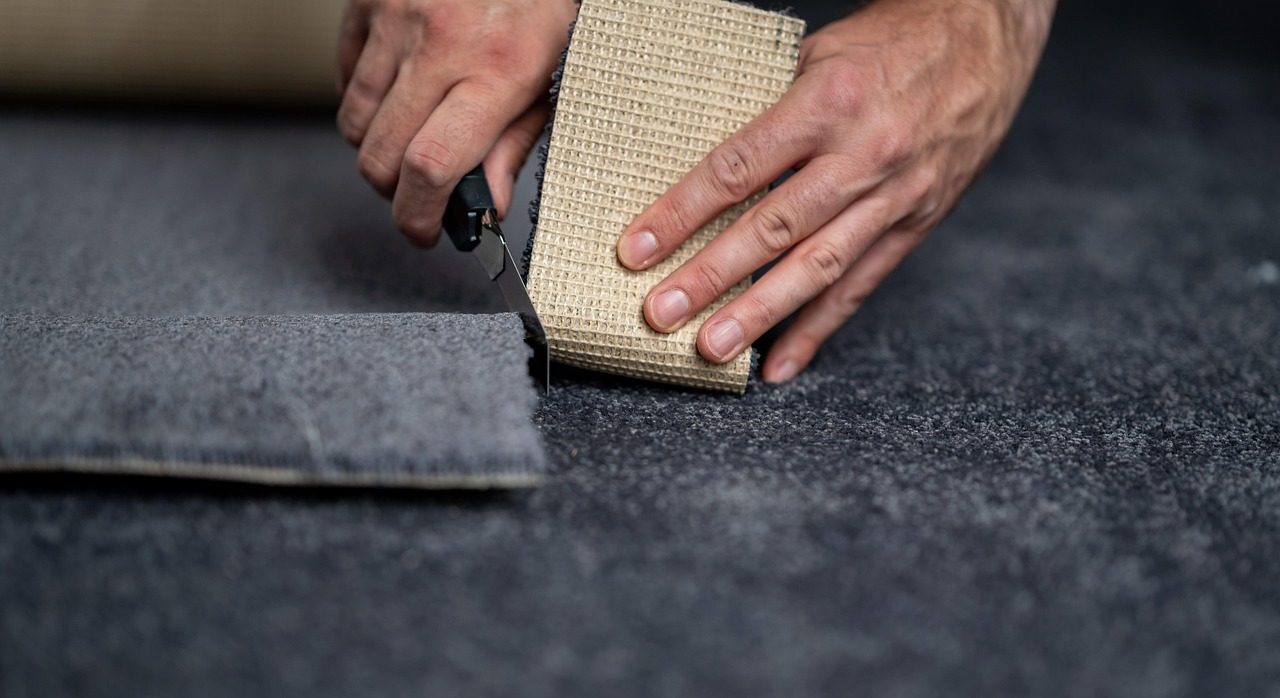
Carpet prices are not only about the face fiber. You also pay for carpet, cushion, removal, disposal, installation, door trimming in some cases, stairs, and sometimes subfloor repair. Angi’s U.S. cost guide, updated July 15, 2026, lists professional carpet replacement at about $780 to $2,813, with a 330 square foot living room near $1,778 on average. It also gives a broad installed range of $3 to $11 per square foot. Use that as a market reference, not a fixed quote, because local labor and the room layout can change the final cost.
- Measure rooms, closets, halls, and stairs separately.
- Ask whether old carpet removal and disposal are included.
- Confirm the cushion grade before you compare two quotes.
- Keep a small allowance for subfloor repair if the old floor smells damp or feels uneven.
Label Details Worth Checking
Do not buy only from a color name like “Silver Cloud” or “Warm Sand.” The Federal Trade Commission’s textile labeling guidance says textile labels must identify fiber content, country of origin, and the company name or Registered Identification Number for the business responsible for the product. This matters for imported carpet, private-label products, and bulk project orders. If a listing says “premium carpet” but does not show fiber content, ask for the specification sheet before you pay.
Which Carpet Fiber Fits Your Home Best?
Fiber choice affects hand feel, stain behavior, price, cleaning, and how the carpet looks after years of use. No reliable public source gives one fixed lifespan for every fiber, because pile style, density, cushion, installation, sunlight, and care all affect the result. It is better to compare fibers by actual room use. That is more useful when you are in a showroom with five samples in your hand.
Nylon for Busy Rooms
Nylon is a common choice for active homes and commercial-style spaces because it has good resilience. In simple terms, it can spring back better after foot traffic than many softer budget fibers. If you have stairs, hallways, or a living room that feels like a small airport on weekends, nylon is often worth pricing. It usually costs more than polyester, so ask whether the higher price comes with better density, twist, and warranty terms, not just the fiber name.
Polyester for Color and Softness
Polyester often feels soft and holds bright color well. It can be a good choice for bedrooms, media rooms, and lower-traffic areas where comfort is the main reason for buying carpet. The trade-off is that some polyester carpets can show crushing earlier in busy paths if the construction is loose. When you compare polyester samples, bend the carpet backward. If you see a lot of backing right away, that sample may look thin after furniture and foot traffic settle in.
Wool for Natural Luxury
Wool is used for its rich hand, natural look, and high-end finish in better interiors. You often see it in luxury homes, boutique hospitality spaces, and formal rooms. The cost is higher, and care needs more attention. Ask about moth resistance, stain care, and cleaning rules before you buy. Wool can look beautiful, but it is not the easy-care choice for every muddy entry or basement family room.
How Should You Judge Carpet Construction Before You Buy?
Construction can help a modest fiber perform better, and it can also make an expensive fiber disappoint. Samples feel nice because they are new, clean, and touched for only a few seconds. Your floor has a harder job. People walk the same route from sofa to kitchen again and again. Furniture presses the pile. Sunlight hits one side of the room. Look past the surface color and check how the carpet is built.
Pile Style and Traffic Pattern
Cut pile feels soft and works in many bedrooms and living rooms. Loop pile can look tidy and firm, especially in casual or commercial-style spaces, but loops may snag in homes with pets that scratch. Cut-and-loop patterns can hide footprints better than a smooth plush surface. If you dislike vacuum marks, avoid very smooth and shiny plush carpet in the main walkway. It may look nice in the store and bother you by Tuesday.
Density and Twist Feel
Face weight gets a lot of attention, but it does not tell the full story. Density, twist, and pile height need to be checked together. A dense, lower pile carpet can handle traffic better than a heavier but loose carpet. Press your fingers into the sample. If the yarns spread too easily and the backing shows quickly, the carpet may flatten sooner. Twist also matters in cut pile because tighter twist helps the yarn tips keep their shape under normal traffic.
Color, Pattern, and Seam Planning
Mid-tone colors usually hide lint, pet hair, and daily dust better than very dark or very light carpet. Small patterns can help hide foot paths, while large patterns need careful seam matching. For a wide room, ask the seller where the seams will land. A seam under the main sofa is usually less visible than a seam through open floor. For project buyers, request a layout drawing when the room shape is not simple.
Why Does Carpet Cushion Change the Whole Result?
Cushion is easy to miss because you do not see it after installation. Even so, it changes comfort, sound, insulation, and support for the carpet backing. A soft but weak pad can make carpet feel plush for a few weeks and then allow wrinkles or early wear. A firm pad supports the backing and helps the surface recover after pressure. This is one area where saving a small amount can hurt a much larger carpet purchase.
Right Thickness for Most Residential Carpet
The Carpet and Rug Institute’s residential selection guidance says cut pile, cut-loop, and high-level loop carpet generally need a resilient, firm cushion with thickness of 7/16 inch and no less than 1/4 inch, with 6 pounds per cubic foot density. This is a useful baseline when you review quotes. If one seller includes a vague “standard pad,” ask for the thickness and density in writing. It is easier to compare offers when the cushion details are clear.
Firm Pads for Berber and Loops
Berber and many loop carpets need a firmer cushion. The Carpet and Rug Institute’s FAQ says Berber carpet and most commercial carpet should have a very firm cushion no thicker than 3/8 inch. Too much soft cushion under loop carpet can put stress on the backing and seams. The carpet may feel cushy in the showroom, but the better long-term choice is often firmer than you first expect.
Moisture and Subfloor Checks
Before new carpet arrives, check the subfloor for odor, stains, squeaks, and uneven spots. Carpet can hide small surface flaws, but it will not fix dampness or movement. Basements, slab homes, and older rental units need extra care. If there has been any leak before, ask the installer or contractor how moisture will be tested and handled. Fresh carpet over a bad subfloor is like a new shirt over wet laundry. It is not a good plan. See also: built-in furniture.
What Should You Ask Before Installation Day?
Even a good carpet can fail early if the installation is rushed. The best time to discuss seams, stretching, doors, stairs, and ventilation is before the crew arrives. Clear questions help you avoid surprise charges and awkward fixes after the room is full of furniture again. For larger orders, put the agreed details on the invoice or project sheet.
Measurement and Waste Allowance
Carpet is often sold in roll widths, so room size alone does not always match the order size. Pattern match, stair cuts, closets, and seam placement can add waste. Ask for a measured drawing, especially for open-plan spaces. If one quote is much lower than another, check whether closets, stairs, old flooring removal, and furniture moving are missing.
Standards, Stretching, and Seams
The Carpet and Rug Institute describes its CRI 104 and CRI 105 installation standards as industry gold standard resources for commercial and residential carpet installation. You do not need to read every technical page, but you should ask whether the installer follows recognized standards for power stretching, seam sealing, transitions, and cushion choice. A knee kicker alone is not enough for many room-size stretch-in jobs. Poor stretching is one of those problems that may not show on day one, but it can become clear after regular use.
Indoor Air and Ventilation Plan
New carpet systems can release odors and volatile organic compounds for a short time after installation. The U.S. Environmental Protection Agency’s indoor air guidance recommends ventilation when remodeling and notes that soft surfaces such as carpet should be installed late in a project when possible. EPA guidance also recommends keeping indoor humidity between 30 and 50 percent. Open windows when weather allows, run fans safely, and let the room air out before people sleep there.
How Can You Keep New Carpet Looking Good Longer?
Carpet care starts the week it is installed, not when it already looks worn. Most wear comes from small daily habits: shoes at the door, crumbs near the sofa, chair legs without pads, sun on one strip of floor, or spills left until the weekend. A steady routine is better than one heavy deep clean once a year.
Simple Weekly Care
Vacuum high-traffic paths more often than quiet corners. The EPA’s school indoor air quality guidance says regular vacuuming with strong suction and high-performance filtration helps maintain appearance and protect indoor air quality. In a home, that means slow passes in entryways, halls, and around furniture. Fast vacuuming may look like the job is done, but it often leaves grit at the base of the yarn.
Spot Cleaning Before It Spreads
Blot spills first. Do not scrub hard, because scrubbing can distort yarn and push liquid wider. Keep the carpet manufacturer’s cleaning instructions with your warranty papers. Some stain treatments have rules about cleaning products. If the carpet is wool, be more careful with chemistry and heat. When you are not sure, test a hidden corner or call a cleaner.
Furniture, Sunlight, and Wear Paths
Rotate small furniture when you can, use cups under heavy legs, and move rugs or chairs slightly every few months. Sunlight can fade some colors, so window treatments help in bright rooms. In a family room, even moving a coffee table two inches now and then changes pressure points. It sounds a little fussy, but it works in real homes.
FAQ
Q1: What Is the Best Carpet for a Busy Family Room? A: A dense nylon carpet with a firm cushion is often a strong choice for busy family rooms. Check pile density, twist, stain resistance, and cushion details before choosing by color.
Q2: How Much Should You Budget for Carpet Buying? A: U.S. cost guides vary by region, but Angi’s July 2026 data gives a broad installed range of $3 to $11 per square foot. Get local quotes and compare the same carpet, cushion, removal, and labor scope.
Q3: Is Thicker Carpet Cushion Always Better? A: No. Cushion should match the carpet type. CRI guidance gives 7/16 inch as a common residential thickness point for many styles, while Berber and many commercial carpets usually need very firm cushion no thicker than 3/8 inch.
Q4: What Label Information Should You Ask For? A: Ask for fiber content, country of origin, manufacturer or RN details, warranty terms, cushion specification, and installation method. FTC textile guidance supports checking fiber and origin information.
Q5: How Soon Can You Use a Room After New Carpet Installation? A: You can often walk on it soon after installation, but good ventilation is still a smart step. EPA indoor air guidance recommends fresh air during remodeling, and airing out the space helps reduce new material odors.