Carpet buying guide for choosing fiber, pile, padding, and installation
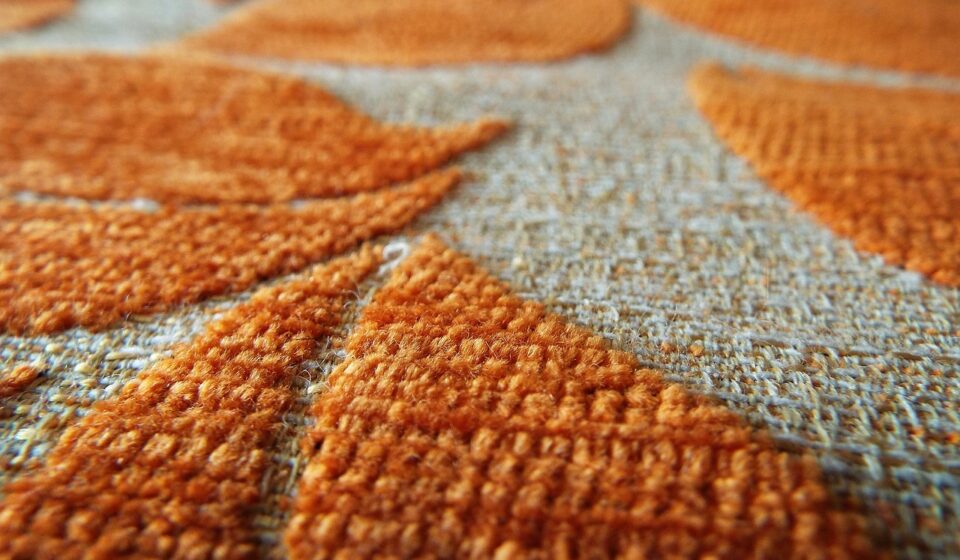
Start with use, not color
Effective carpet buying starts with how the space will be used. Color and softness matter, but they should come after traffic level, cleaning needs, room function, cushion requirements, and installation conditions. A carpet that feels luxurious in a quiet bedroom may show tracks quickly in a hallway. A dense loop or textured cut pile, by contrast, may handle daily movement with less visible wear. The practical goal is to match the full carpet system to the room: face fiber, pile construction, backing, cushion, installation method, and maintenance plan.
As a first filter, separate spaces into low, medium, and high traffic. Bedrooms and formal sitting areas can place more weight on softness and appearance. Family rooms, stairs, corridors, rental units, and small offices need stronger texture retention, soil resistance, and installation quality. Moisture-prone areas, including bathrooms, rain-exposed entries, or below-grade rooms with unresolved dampness, require extra caution because carpet can hold moisture and become difficult to dry.
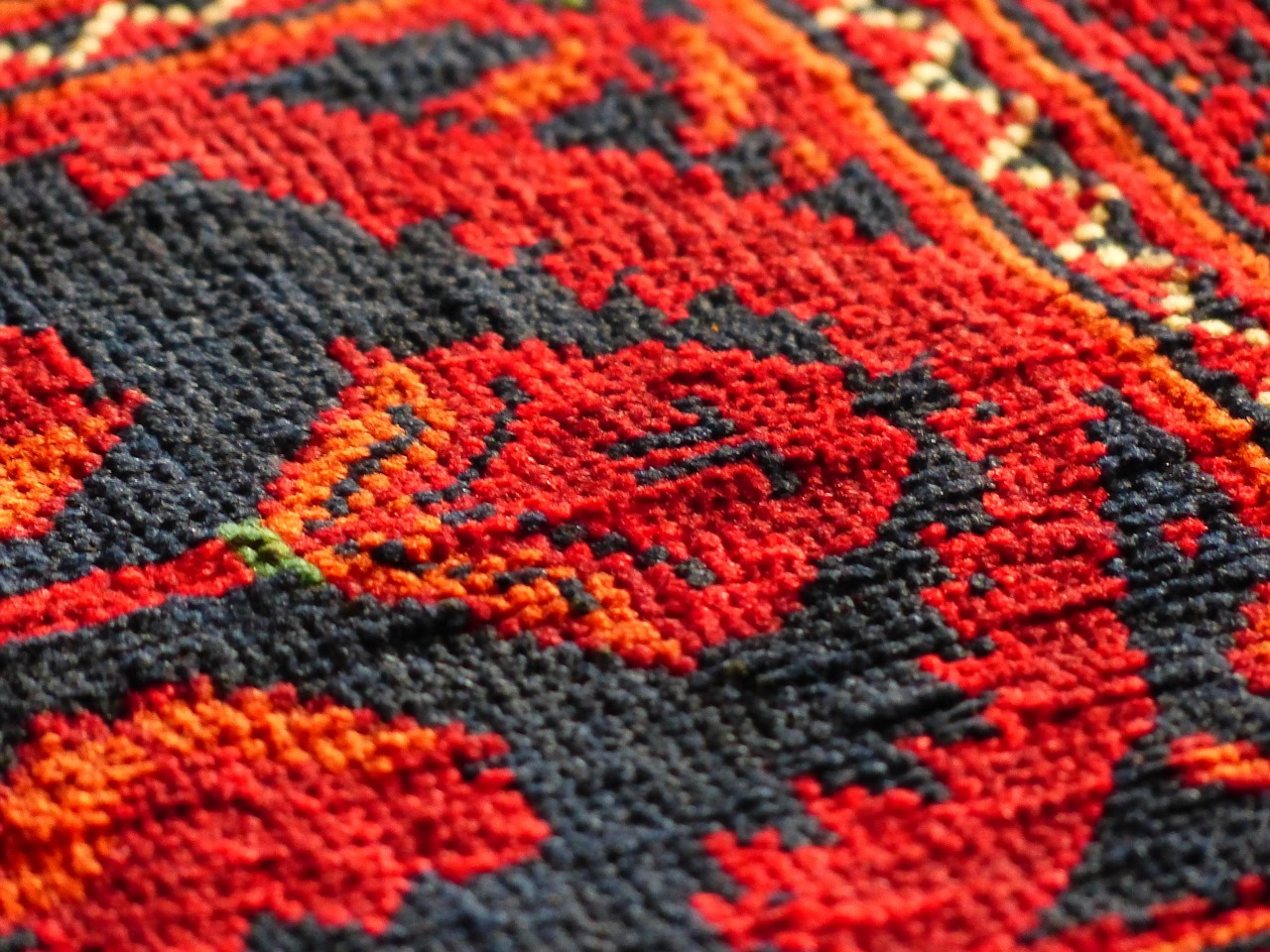
A more useful buying question is not “Which carpet is best?” but “Which carpet is appropriate for this room, this household, and this maintenance routine?” That approach reduces the risk of paying for features you do not need or choosing a product that will be difficult to replace later.
Compare carpet fibers by performance, not just price
The Carpet and Rug Institute identifies nylon, polyester, polypropylene or olefin, triexta, and wool as common carpet pile fibers in the U.S. market. Each fiber can perform well in the right construction, but their strengths are not the same. Fiber alone does not determine durability. Density, twist, pile height, backing, cushion, and installation also affect the final result.
| Fiber type | Typical strengths | Important limitations | Good fit |
|---|---|---|---|
| Nylon | Strong resilience, good texture retention, widely used in busy homes and commercial settings | Usually needs proper stain protection and can cost more than some synthetics | Stairs, hallways, family rooms, active households |
| Polyester | Soft hand, strong color clarity, often good stain resistance for many household spills | May show crushing sooner in very high-traffic areas if construction is light | Bedrooms, living rooms, moderate-use spaces |
| Polypropylene or olefin | Moisture resistance and colorfastness; often used in loop styles | Lower resilience than nylon; can mat or crush in demanding traffic lanes | Basements with controlled moisture, casual rooms, some indoor-outdoor applications |
| Triexta | Soft feel and stain resistance; used as a residential alternative to nylon and polyester | Performance depends heavily on construction and warranty details | Family spaces where softness and stain resistance both matter |
| Wool | Natural fiber, rich appearance, good resilience when properly maintained | Higher cost, more specific cleaning requirements, potential sensitivity to moisture and insects if neglected | Formal rooms, design-led spaces, buyers willing to maintain it carefully |
When comparing samples, ask for the exact fiber name, pile weight, density information if available, warranty conditions, and recommended cleaning method. If a label or salesperson only describes the carpet as “soft,” “premium,” or “pet friendly,” ask what technical details support those claims. A small sample can feel impressive but still perform poorly if the pile is tall, loose, and placed in a heavy-traffic area.
Choose pile construction for traffic and appearance
Pile construction controls how the carpet surface looks and how it responds to footprints, vacuum marks, and wear. Cut pile has yarn tips cut at the surface, creating a soft feel. Loop pile keeps yarn loops intact, often improving appearance retention in traffic. Cut-and-loop combines both to create pattern and texture.
Plush or velvet cut pile can look smooth and formal, but it tends to show footprints and vacuum marks more clearly. Saxony and textured cut piles are more forgiving in everyday rooms. Frieze uses highly twisted yarns to create a casual surface that can help disguise traffic patterns. Level loop constructions are often selected for durability, while multi-level loop and cut-and-loop patterns add visual movement that can hide minor soil and wear.
For stairs, dense construction is especially important because each step concentrates pressure on a small area. Do not choose stair carpet based only on softness. A very tall or loose pile can compress, reveal seams, or make edges look worn sooner. In rooms where chairs roll, doors swing low, or furniture is moved often, check pile height and backing flexibility before ordering.
Do not treat carpet pad as an afterthought
Carpet cushion, often called pad or underlay, affects comfort, insulation, sound absorption, and how well the carpet is supported. The Carpet and Rug Institute notes that traditional roll carpeting is generally installed over a pad, commonly about 1/4 inch to 1/2 inch thick, with the carpet manufacturer’s own requirements controlling the correct thickness and density.
A thicker pad is not automatically better. If the pad is too soft or too thick for the carpet, the face yarns and backing can flex excessively under foot traffic. That movement can contribute to wrinkles, premature wear, seam stress, or warranty issues. Stairs usually need a firm, supportive cushion rather than the softest option in the store.
Ask the retailer or installer to specify the pad material, thickness, density, any moisture-barrier features, and compatibility with the carpet warranty. Bonded polyurethane foam, fiber cushion, rubber cushion, and specialty pads can all be appropriate in different settings. For multifamily buildings or upper-floor rooms, ask about acoustic performance as well, but confirm that any sound-control pad is approved for the carpet type.
Check indoor air, flammability, and sustainability claims
Carpet is an interior finish, so buyers should consider more than surface appearance. The U.S. Environmental Protection Agency advises consumers who are concerned about new carpet emissions to ask retailers for emissions information, request airing out before installation when possible, use low-emitting adhesives if adhesives are needed, and ventilate during and after installation. EPA guidance also recommends keeping fresh air moving for 48 to 72 hours after installation when practical.
Low-emitting certifications can help buyers compare products, but they should be treated as product attributes rather than health guarantees. CRI Green Label Plus, GREENGUARD, and similar programs focus on chemical emissions criteria. If someone in the home has asthma, chemical sensitivity, or other health concerns, discuss the project with a qualified health professional and consider timing, ventilation, and temporary relocation during installation.
Flammability is also regulated. The U.S. Consumer Product Safety Commission states that carpets and rugs manufactured, imported, or sold in the United States must meet the applicable federal surface flammability standards under 16 CFR part 1630 for carpets and rugs or 16 CFR part 1631 for small carpets and rugs. Buyers do not normally test this themselves, but the requirement reinforces the value of buying from reputable suppliers and keeping labels and documentation.
Sustainability claims need careful reading. Recycled content, recyclable backing, carpet tile formats, low-emitting materials, and manufacturer take-back programs can all reduce environmental impact in certain situations. EPA purchasing guidance notes that carpet tile can reduce trimming waste in some irregular spaces because tiles are smaller than broadloom. Even so, the greener choice depends on expected use, replacement schedule, maintenance, and whether the product will stay in service long enough to justify its materials.
Plan installation and total cost before ordering
Installation quality is one of the most important factors in carpet performance. The Carpet and Rug Institute recommends that residential installers follow CRI 105 residential installation practices and manufacturer instructions. Poor stretching, unsuitable cushion, weak seams, or ignored substrate problems can shorten the life of even a good carpet.
Before placing an order, confirm who measures the space, who moves furniture, whether old flooring removal is included, how subfloor problems are handled, and whether doors may need trimming. Ask how seams will be placed. Seam location is partly technical and partly visual: a seam should avoid the most obvious sightline when possible, but it also has to work with roll width, room shape, and pile direction.
Review total cost as a system, not as carpet price alone. Request a written quote that separates carpet, cushion, removal, disposal, floor preparation, transitions, stairs, adhesives or tack strip materials, furniture moving, delivery, and installation labor. This makes quotes easier to compare and reduces confusion when one offer looks cheaper but excludes necessary work.
For more building and furnishing buying notes, visit Huang Jin He.
A room-by-room carpet buying checklist
The right carpet choice becomes clearer when each room is evaluated separately. A whole-house purchase does not require the same carpet everywhere, although related colors or textures can keep the design cohesive.
| Room or area | Buying priority | Practical notes |
|---|---|---|
| Primary bedroom | Comfort, softness, warmth | Medium traffic allows more emphasis on feel, but check cleaning requirements for light colors. |
| Children’s room | Stain resistance, cleanability, cushion support | Choose a construction that handles play, spills, and frequent vacuuming. |
| Family room | Texture retention, soil resistance, balanced softness | Textured cut pile, dense loop, or suitable triexta, nylon, or polyester constructions can work depending on use. |
| Stairs and hallway | Density, firm pad, installation quality | Avoid loose, tall pile. Ask about stair warranty coverage and seam planning. |
| Basement | Moisture risk, backing, ventilation | Resolve dampness before installing carpet. Consider tiles if access and replaceability are important. |
| Home office | Chair movement, appearance retention | Check pile height and consider a chair mat if rolling chairs will be used daily. |
Bring home large samples if possible and view them in morning light, evening light, and artificial light. Carpet color often appears darker after installation than it does on a small vertical sample. If you have pets, test how visible pet hair is against the sample and ask whether the warranty excludes pet damage, odor, or moisture problems.
Frequently asked questions
What is the most important factor when buying carpet?
The most important factor is the match between the carpet system and the room. Fiber, pile construction, density, cushion, installation, and maintenance all matter. A durable fiber installed over the wrong pad can still perform poorly, while a softer carpet may be suitable in a low-traffic bedroom.
Is nylon always better than polyester carpet?
No. Nylon is widely valued for resilience and heavy-traffic performance, but polyester can be a good choice where softness, color, and stain resistance are priorities. The better option depends on construction quality, room use, budget, and maintenance expectations.
How long should a room be ventilated after new carpet installation?
EPA consumer guidance recommends increasing fresh air during and after installation and keeping ventilation running for 48 to 72 hours when practical. Buyers concerned about odors or emissions should ask for low-emitting products and adhesives before installation.
Should carpet be installed before or after other renovation work?
Carpet is usually better installed late in a renovation, after dusty, wet, or high-odor work is complete. This helps protect the new surface from construction dust, paint, adhesives, and damage from tools or heavy traffic.
Are carpet tiles better than broadloom carpet?
Carpet tiles are not automatically better, but they are useful where access, replacement, or waste reduction matters. Broadloom can create a softer continuous look with fewer visible joints. The right choice depends on room shape, design preference, installation conditions, and maintenance plans.