Reddit TV buying guide for room-based screen choices
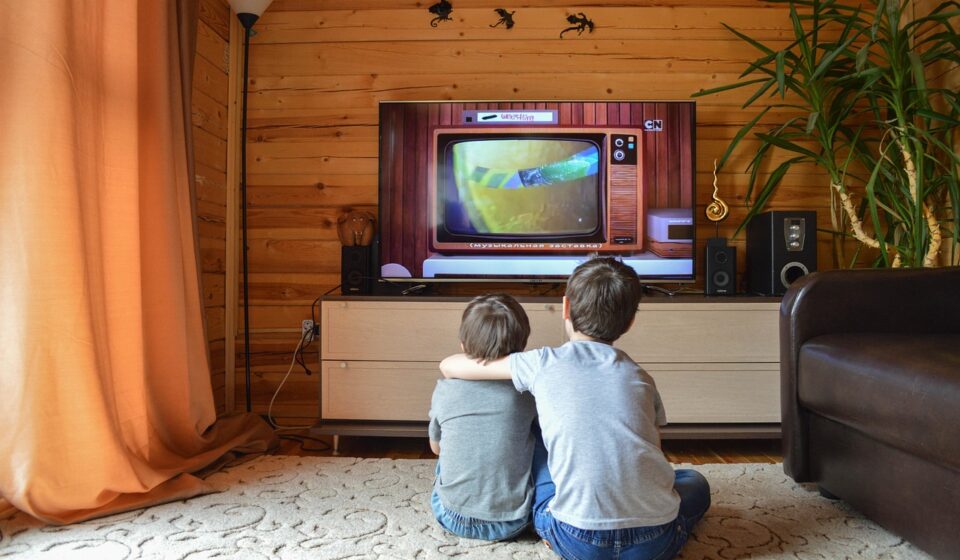
What Reddit TV advice gets right and where room planning matters
A useful reddit tv buying guide should do more than repeat the loudest brand recommendation in a thread. Reddit is helpful because buyers compare street prices, point out confusing model names, and challenge showroom claims. Its advice becomes more reliable when it is filtered through the actual room: viewing distance, daylight, seating angle, media console width, wall height, cable access, and the way the screen sits with nearby furniture. As of September 2026, active TV-buying discussions on communities such as r/4kTV commonly point shoppers toward regional buying guides and away from choosing by showroom brightness alone. The practical approach is straightforward: use Reddit to narrow the shortlist, then use room measurements to decide whether a specific TV belongs in the space.
Start with the room, not the brand
Many TV discussions begin with model names, but a better purchase starts with the layout. A TV that looks impressive online can feel too small from a deep sofa, too reflective opposite a window, or awkward on a cabinet built for a smaller screen. Before comparing panels, write down four numbers: viewing distance, available wall width, media console width, and the height from the floor to seated eye level.
Measure viewing distance before screen size
Viewing-distance guidance from sources such as RTINGS, Consumer Reports, SMPTE-related recommendations, and THX-related screen-placement guidance generally points toward a 30- to 40-degree field of view for many home viewing situations. In practical terms, a larger screen is often more comfortable than first-time buyers expect, but only when the room and furniture can support it.
| Typical viewing distance | Screen sizes to consider | Room note |
|---|---|---|
| 6 feet | 50 to 55 inches | Works well for apartments, bedrooms, and compact media walls. |
| 7 to 8 feet | 55 to 65 inches | A common living-room range where cabinet width becomes important. |
| 8 to 10 feet | 65 to 75 inches | Often a better fit for open-plan sofas than a smaller bargain TV. |
| 10 to 12 feet | 75 to 85 inches | Check delivery access, wall strength, and stand depth before buying. |
| More than 12 feet | 85 inches or larger | Consider whether furniture can support the scale without dominating the room. |
This table is a planning shortcut, not a fixed rule. Movie-focused viewers may prefer a more immersive screen, while casual viewers in a bright family room may choose a slightly smaller display that is easier to place.
Check glare and seating angle
Reddit often focuses on whether a TV is OLED, Mini LED, or QLED, but window placement can matter just as much. A dark-room OLED may look excellent at night and still be frustrating in a sunlit room with reflections behind the sofa. A bright Mini LED LCD may handle daytime viewing better, but off-axis seating can still reduce contrast and color consistency. If the main sofa is not centered, check professional reviews for viewing-angle performance instead of assuming every premium model behaves the same way.
Leave real furniture clearance
Published screen size is diagonal, not width. A typical 65-inch 16:9 TV is roughly 57 inches wide, while a typical 75-inch TV is roughly 65 inches wide. A media console should usually be wider than the TV so the setup looks intentional and stable. If the TV uses feet near the outer edges, the cabinet’s usable top surface matters more than its advertised overall width. Also leave space for power cords, HDMI cables, ventilation, a soundbar, and enough hand clearance to plug everything in after installation.
Decode the Reddit shorthand before taking it literally
TV communities use repeated shorthand because the same buying mistakes come up often. The advice can be useful, but it is easy to misread when copied without context.
| Common Reddit-style advice | What it usually means | What to verify yourself |
|---|---|---|
| “Go bigger.” | The buyer may be sitting farther away than the chosen screen size supports. | Measure viewing distance and cabinet width before increasing size. |
| “Avoid showroom mode.” | Retail displays can use exaggerated brightness and color settings. | Read calibrated review measurements and real room impressions. |
| “Check the exact model number.” | Retailer-exclusive suffixes and regional variants can differ. | Confirm panel type, refresh rate, local dimming, and port layout. |
| “OLED for movies, Mini LED for bright rooms.” | This is a broad pattern, not a universal law. | Match panel choice to room brightness, viewing habits, and burn-in concerns. |
| “Do not buy only for 8K.” | Resolution is not the only factor in picture quality. | Compare contrast, HDR performance, processing, and content availability. |
The strongest Reddit advice usually asks for more details instead of naming one universal winner. Budget, country, seating distance, usage mix, and room light can change the answer completely.
Match panel technology to how the room is used
Panel labels can be confusing because brands use overlapping marketing terms. For buyers, the useful question is not the label alone, but how the screen handles black levels, brightness, reflections, viewing angles, motion, and long-term use.
OLED is often favored for movie nights and dark rooms because each pixel can switch off independently, producing strong black levels and contrast. It is a strong choice for cinematic spaces, bedrooms, and media rooms where lighting can be controlled. The tradeoff is that shoppers should understand image-retention and burn-in discussions, especially if the screen will show static news tickers, sports scoreboards, or game HUDs for long periods.
Mini LED LCD can be a strong option for bright living rooms because it uses many small backlight zones to improve contrast and brightness. Better local dimming can make HDR highlights more convincing than basic LCD, though blooming around bright objects can still appear depending on the model and settings.
QLED and other LED LCD models cover a wide range. Some are excellent; others are mainly marketing upgrades over basic sets. Reddit’s skepticism about vague QLED branding is useful here: do not assume the name alone means strong contrast, high refresh rate, or good local dimming.
Basic LED TVs can still make sense for guest rooms, casual news viewing, rentals, or tight budgets. The common mistake is buying a very large basic model for the main living room while expecting premium HDR, strong motion handling, and wide viewing angles.
Features that matter more than spec-sheet hype
After screen size and panel type, focus on features that affect daily use. For gaming, check whether the specific HDMI inputs support the features you need. HDMI Licensing Administrator materials describe features such as 4K at 120Hz, Variable Refresh Rate, Auto Low Latency Mode, Quick Frame Transport, and eARC across recent HDMI specifications. As of September 2026, HDMI 2.2 is the newest HDMI specification, but most living-room buyers should still verify actual feature support instead of buying only because a version number appears in marketing copy.
For movie and streaming use, HDR performance matters more than simply seeing “HDR” on the box. A TV needs enough brightness, contrast, tone mapping, and local dimming or pixel-level control to make HDR meaningful. Format support can also matter if your streaming services, discs, or devices rely on Dolby Vision, HDR10, HDR10+, or HLG.
For audio, remember that thin TVs have physical limits. If dialogue clarity matters, plan space for a soundbar or speakers before buying the furniture. A soundbar placed too high, too low, or behind a raised cabinet lip can sound worse than expected. eARC support is useful when routing higher-quality audio from the TV to a compatible soundbar or receiver, but the full chain must support it.
For energy use, the U.S. Federal Trade Commission’s EnergyGuide label is worth reading because it gives an estimated yearly energy cost and estimated yearly electricity use for televisions. The FTC explains that the estimate is based on typical use and a national average electricity price, so it should be treated as a comparison tool rather than a prediction of your exact bill.
Furniture, mounting, and safety checks before checkout
A TV purchase becomes a furniture decision as soon as the screen enters the room. The cabinet, wall panel, shelving, and cable path determine whether the setup looks integrated or improvised. For more space-planning ideas around architectural furniture and interiors, visit Huangjinhe.
If the TV will sit on a console, confirm the stand footprint before purchase. Some large TVs use wide-set feet that require a much wider surface than a center pedestal stand. If the TV will be wall-mounted, check the VESA pattern, mount weight rating, wall type, stud placement, and whether the mount allows access to rear-facing ports.
Height is another common mistake. A comfortable setup generally keeps the center of the screen near seated eye level, with adjustments for recliners, fireplaces, and multi-row seating. Mounting a TV too high can create neck strain and make the room feel less balanced. If the TV must go above a fireplace, consider a mount that lowers for viewing, but also verify heat exposure and clearances.
Finally, plan cable management before installation day. A clean wall-mounted TV may still require power, HDMI, Ethernet, antenna, soundbar, game console, and streaming-device connections. Built-in cabinetry should include access panels or removable backs so the setup remains serviceable when devices change.
How to use Reddit threads without copying someone else’s cart
The best way to use Reddit is to post or search with complete context. A helpful buying question includes country, budget, desired screen size, viewing distance, room brightness, seating angle, main content types, gaming needs, audio plans, and furniture constraints. Without those details, replies often become brand preferences rather than tailored advice.
When a Reddit recommendation looks convincing, verify five things before checkout:
- The exact model number and regional suffix match the review or guide being discussed.
- The screen width, stand width, and stand depth fit the media console.
- The TV supports the gaming, audio, and HDR features you will actually use.
- The retailer’s return policy gives you time to judge reflections and motion in your own room.
- The EnergyGuide label, warranty terms, delivery requirements, and wall-mount compatibility are acceptable.
This approach keeps the useful part of Reddit: collective pattern recognition. It also avoids the weak part: assuming another buyer’s room, budget, and preferences match yours.
Frequently asked questions
Is Reddit reliable for TV buying advice?
Reddit can be reliable for spotting repeated problems, model-name confusion, and real-world owner impressions. It should not be the only source. Use it alongside professional reviews, manufacturer specifications, retailer return policies, and your own room measurements.
What TV size do Reddit users usually recommend?
Many Reddit discussions push buyers toward larger screens, but the right size depends on viewing distance and comfort. A 30- to 40-degree field of view is a practical planning range for many living rooms, but smaller or larger choices can make sense depending on use.
Should I choose OLED or Mini LED?
OLED is often a strong choice for dark-room movies and high contrast. Mini LED LCD is often practical for bright rooms and mixed daytime viewing. The better choice depends on sunlight, viewing angle, gaming habits, static-image use, and budget.
How much wider should a media console be than the TV?
A console that is at least several inches wider than the TV on both sides usually looks more balanced. For large screens, extra width also improves perceived stability and leaves room for speakers, decor, or cable access.
Does HDMI 2.1 or HDMI 2.2 matter for every TV buyer?
No. Gamers and home-theater users should pay close attention to features such as 4K at 120Hz, VRR, ALLM, and eARC. Casual streaming viewers may care more about picture quality, app support, remote design, and how well the TV fits the room.