Furniture rattan explained for indoor and outdoor design
What furniture rattan means in material selection
Furniture rattan is a material category, not a single product. In natural furniture, rattan refers to cane from climbing palms. In retail and project specifications, the same phrase may also describe woven panels, cane webbing, or synthetic rattan-effect strips used on patio furniture. The specification question is not simply whether rattan suits a design style. It is which rattan format fits the location, maintenance plan, durability target, and sourcing requirement.
Natural rattan is valued for warmth, low weight, bendability, and a handcrafted appearance. Synthetic rattan is selected when furniture must handle sun, rain, outdoor cleaning, or heavier open-air use. For architects, interior designers, furniture buyers, and homeowners, a sound specification separates the material, weave, frame, finish, and supply-chain evidence.

Rattan remains relevant because it sits between craft material and engineered furniture component. It can form a chair frame, cabinet door insert, screen, headboard, lounge seat, or decorative panel. On a furniture materials site such as Huangjinhe, it belongs in the same discussion as wood, bamboo, metal, upholstery fabric, and polymer-based outdoor materials.
Rattan is a material, wicker is a method
A common specification error is treating rattan and wicker as the same thing. Rattan is the plant-based cane. Wicker is a weaving method that can use rattan, willow, reed, bamboo, paper fiber, seagrass, synthetic resin, or other flexible strands. A chair may therefore be natural rattan wicker, synthetic wicker, or a mixed construction with a timber or metal frame and rattan cane webbing.
Natural rattan is also different from bamboo. Bamboo is generally a hollow culm, while rattan cane is typically solid and flexible enough to bend when steamed or shaped. That flexibility makes rattan useful for curved chair backs, rolled arms, open-weave panels, and bindings around joints. The Food and Agriculture Organization has described rattan in commercial trade as sticks, cane, core, and split cane, reflecting how the raw stem can be processed for frames, weaving, or finer decorative work.
This distinction affects buying decisions. A product described as rattan may be a natural indoor lounge chair, a cane-front cabinet door, or a polyethylene outdoor dining set made to imitate the look of rattan. The visual language may be similar, but performance, repairability, and environmental questions are different.
Natural and synthetic rattan compared
The right choice depends first on where the furniture will be used. Natural rattan performs best indoors and in covered areas where humidity and sunlight are reasonably controlled. Synthetic rattan, often called resin wicker or all-weather wicker, is designed for outdoor furniture when paired with a suitable frame, usually aluminum or powder-coated steel. The table below summarizes the practical differences.
| Material type | Best use | Main advantage | Main limitation |
|---|---|---|---|
| Natural rattan cane | Indoor chairs, stools, shelving, screens, headboards, decorative frames | Light, warm, flexible, repairable, and visually natural | Needs protection from long-term rain, harsh sun, and very damp storage |
| Rattan cane webbing | Cabinet fronts, chair seats, room dividers, wall panels | Airy appearance, texture, and low visual weight | Can sag or break if overloaded, poorly installed, or kept too dry |
| Rattan core or split cane | Binding, fine weaving, baskets, small furniture details | Allows detailed patterns and tight wrapping | Quality depends heavily on strand consistency and workmanship |
| Synthetic rattan-effect strips | Patio sofas, outdoor dining sets, poolside lounges | Better resistance to moisture and outdoor cleaning when properly specified | Plastic-based; quality varies widely by UV stability, thickness, and frame design |
Natural rattan is not automatically the better option because it is plant-based. Synthetic rattan is not automatically the better option because it is weather-resistant. The material has to match the project. A sun-exposed restaurant terrace needs different furniture from a boutique hotel lobby, a residential reading corner, or a shaded veranda.
Where furniture rattan performs well
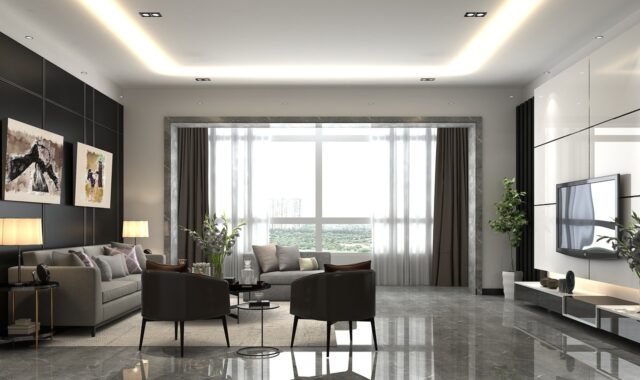
Rattan’s strongest design value is its combination of structure and softness. It adds texture without the visual weight of solid timber and can soften rectilinear interiors dominated by stone, glass, metal, or painted joinery. In hospitality and residential interiors, rattan furniture often communicates informality, craft, and comfort without relying on heavy upholstery.
Frames and curved forms
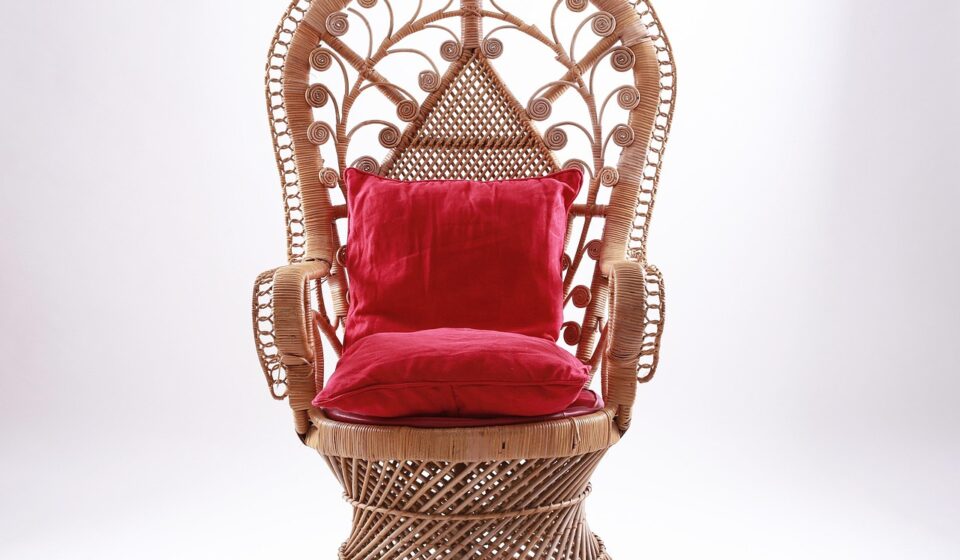
Whole rattan poles can be used for chair frames, side tables, bedheads, shelving, and accent pieces. The material’s bendability allows round backs, looped arms, and continuous curves that would be costly or wasteful in many solid woods. However, the success of a rattan frame depends on joinery, lashing, fastening, drying, and finishing. A weak joint will usually fail before the cane itself becomes the main problem.
Panels and cane webbing
Cane webbing is widely used in cabinet doors, wardrobe panels, drawer fronts, room dividers, and chair seats. Designers use it to add airflow and break up large flat surfaces. In storage furniture, this can reduce the closed, bulky appearance of cabinetry. Cane panels still need correct tension and framing. Oversized panels without support may distort, while panels exposed to strong dry heat may become brittle over time.
Outdoor furniture
Natural rattan should generally be treated as an indoor or covered-outdoor material. It can tolerate normal household humidity changes, but repeated rain, standing water, and strong ultraviolet exposure can shorten its service life. For fully exposed patios, synthetic rattan-effect furniture is usually the more practical choice, provided the frame resists corrosion and the woven strips are formulated for UV exposure. The weave alone does not make outdoor furniture durable; the frame, fasteners, cushions, drainage, and storage plan matter as well.
Sustainability and sourcing questions
Rattan is often promoted as a sustainable material, but the claim needs context. Royal Botanic Gardens, Kew describes rattans as climbing palms found in tropical rainforests and notes that their cane supplies furniture, baskets, and other woven goods. Kew also highlights a supply-chain challenge: rattan is still harvested largely from the wild, and once leaves and flowers are removed during harvest, species identification becomes difficult. That matters because the rattan trade includes many species, and reliable identification is part of responsible sourcing.
FAO material on non-wood forest products has noted that around 50 rattan species are used commercially. Kew’s more recent scientific work points to almost 500 rattan species overall and has explored DNA-based identification to help understand which species are entering supply chains. For furniture buyers, the practical lesson is clear: a generic natural rattan label is not the same as verified responsible sourcing.
There is also a positive side. Rattan can create economic value from standing tropical forests because it is a non-timber forest product. WWF has treated rattan projects in Southeast Asia as part of community forest management and responsible supply-chain development, including work connected with certification and traceability. For design teams and procurement managers, the most credible approach is to ask for origin information, legality documentation, species information when available, and any relevant third-party certification or chain-of-custody evidence.
For commercial and institutional furniture, sustainability is broader than plant origin. BIFMA lists the ANSI/BIFMA e3-2024 Furniture Sustainability Standard as a framework that covers environmental, health, wellness, and social impacts for furniture products. That kind of framework reminds specifiers to look beyond the visible woven surface and evaluate finishes, adhesives, emissions, packaging, durability, manufacturing practices, and end-of-life options.
Performance, maintenance, and specification checklist
Rattan furniture succeeds when it is specified for a realistic use case. The following checklist helps separate a decorative preference from a durable material decision.
- Location: choose natural rattan for indoor and covered spaces; choose synthetic rattan-effect material for exposed outdoor areas.
- Frame: check whether the frame is rattan, wood, aluminum, steel, or a mixed construction. Outdoor steel needs reliable corrosion protection.
- Weave density: tight, even weaving usually indicates better workmanship, but very tight outdoor weaving still needs drainage and ventilation.
- Finish: natural rattan may be clear-coated, stained, painted, or lacquered. Finishes affect both appearance and repair options.
- Load points: chair seats, arm joints, and leg connections should be inspected more carefully than decorative panels.
- Moisture exposure: avoid storing natural rattan in damp basements, uncovered gardens, or areas with frequent water contact.
- Sun exposure: prolonged direct sun can fade finishes and dry natural fibers; outdoor synthetic materials should be assessed for UV resistance.
- Cleaning: use gentle dusting and light damp wiping for natural rattan; avoid soaking, pressure washing, or harsh chemicals unless the manufacturer specifically allows them.
- Repairability: natural cane webbing and lashing can often be repaired by skilled craftspeople, while low-grade synthetic strands may be harder to repair invisibly.
- Documentation: for larger projects, request material descriptions, care instructions, warranty terms, and sourcing statements before approval.
These checks are especially important in contract settings such as hotels, restaurants, offices, and public waiting areas. A chair used daily in a café faces different stress from a decorative bedroom chair. If the product will be used in a regulated or high-traffic environment, performance testing, flammability requirements, emissions requirements, and local code compliance may be more important than the rattan label itself.
How to choose the right furniture rattan for a project
Start with exposure. If the furniture is indoors, natural rattan can offer strong design value because its texture, color variation, and handwoven details are difficult to replicate. It works well with timber, linen, cotton, stone, limewash, plaster, and other tactile materials. If the furniture is outdoors and uncovered, synthetic rattan-effect material is usually safer from a maintenance perspective, but it should be judged by frame quality and UV performance rather than appearance alone.
Next, consider the role of the piece. A cane-front cabinet door is mainly visual and ventilating. A lounge chair is structural. A dining chair is structural and subject to repeated use. A patio sofa must manage body weight, weather, cushions, and cleaning. The more structural the application, the more attention should go to frame construction, joints, tension, and warranty language.
Finally, treat sustainability as a question, not a slogan. Natural rattan can support forest-based livelihoods when harvested and traded responsibly, but poorly documented supply chains weaken that claim. Synthetic rattan can last longer outdoors, but it is still a polymer-based material and should be evaluated for durability, repairability, and disposal. The most responsible choice is the one that fits the environment, lasts for the intended service period, and is backed by credible sourcing and performance information.
Frequently asked questions
Is rattan furniture suitable for outdoor use?
Natural rattan is best for indoor rooms, sunrooms, and covered patios. For fully exposed outdoor use, synthetic rattan-effect furniture is usually more practical because it is designed to resist moisture better. Even then, cushions, frames, fasteners, and storage habits strongly affect service life.
Is rattan the same as wicker?
No. Rattan is a material, while wicker is a weaving technique. Wicker furniture may be made from natural rattan, other plant fibers, or synthetic strips. When comparing products, ask what the woven material is and what the supporting frame is made from.
Does natural rattan need a lot of maintenance?
Natural rattan is relatively easy to maintain indoors. Regular dusting, gentle cleaning, and protection from soaking water are usually more important than intensive maintenance. The main risks are long-term dampness, excessive dryness, harsh sunlight, and overloaded cane panels.
Is synthetic rattan less sustainable than natural rattan?
Not always in practical terms. Natural rattan is plant-based, but it still needs responsible harvesting and traceability. Synthetic rattan is plastic-based, but it may last longer in exposed outdoor conditions. A fair comparison should consider sourcing, expected lifespan, repairability, and the actual environment where the furniture will be used.
What should buyers ask before specifying rattan furniture?
Ask whether the material is natural or synthetic, where it will be used, what the frame is made from, how the weave is attached, what care is required, and whether the supplier can provide sourcing or performance documentation. For commercial projects, also check applicable safety, emissions, and durability requirements.