Recycled plastic garden furniture and what the material really offers

What recycled plastic garden furniture really offers
Recycled plastic garden furniture is a durable outdoor material category, not one standard product. It can work well where moisture, staining, rot, and routine refinishing are key concerns. Performance, however, depends on the resin type, recycled-content verification, UV stabilization, hardware, frame design, and how loads are supported over time. In the United States, EPA’s 2018 municipal solid waste dataset reported 35.7 million tons of plastics generated and an overall plastics recycling rate of 8.7%, which helps explain why durable outlet markets for recovered plastic remain important. (epa.gov)
For homeowners, landscape designers, public-space buyers, and furniture material specifiers, the main question is not whether recycled plastic is automatically better than wood or metal. The more useful question is whether a specific chair, bench, table, or dining set uses the right recycled plastic formulation for the climate, load, appearance, maintenance expectations, and end-of-life plan. This guide places recycled plastic garden furniture within the wider furniture materials discussion and focuses on checks that buyers can verify before specifying or purchasing.
What the material is usually made from
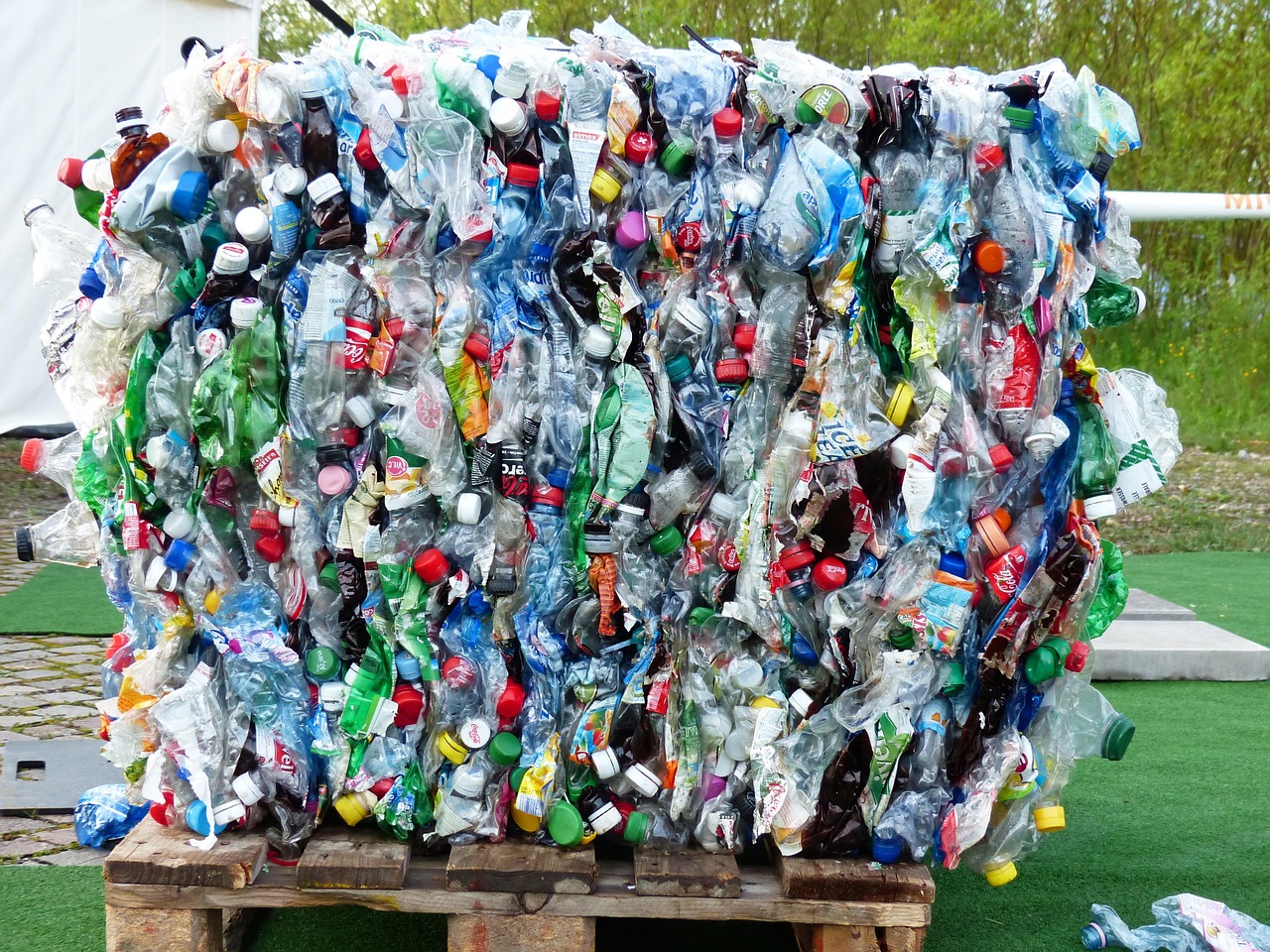
Most recycled plastic outdoor furniture is made from thermoplastics that can be remelted and formed into boards, molded parts, or profiles. High-density polyethylene, usually abbreviated as HDPE, is common because it is widely used in bottles, containers, caps, and other post-consumer or post-industrial streams. Polypropylene can also appear in outdoor products. Some products combine plastic with wood flour or other fibers to create wood-plastic composites.
ASTM describes polyolefin-based plastic lumber products as being made predominantly with recycled polyolefin plastics, particularly HDPE, while noting that these products are often non-homogeneous in cross-section. ASTM D6662-22 covers exterior residential decking boards, not finished garden chairs. Still, its performance categories are useful when evaluating furniture materials because they include flexural properties, creep adjustment, dimensional stability during thermal expansion, weatherability, fire properties, and slip resistance. (store.astm.org)
Wood-plastic composite is different from solid recycled plastic lumber. Washington State University’s wood plastic composites information describes WPCs as products generally made from natural fibers or wood in particulate form, thermoplastic resins such as polyolefins, and additives including lubricants, colorants, and inorganic materials. That mixture can provide a more wood-like look, but it also brings different moisture, UV, fastening, and surface-wear considerations. (wpcinfo.org)
- Solid HDPE lumber or molded HDPE is often chosen for benches, Adirondack-style chairs, picnic tables, and marine-adjacent furniture.
- Mixed recycled plastic lumber can be economical, but buyers should ask how resin variability is controlled.
- Wood-plastic composite may look more like wood, but its wood fiber content changes durability and weathering behavior.
- Co-extruded or capped products use a surface layer to improve color, texture, stain resistance, or UV performance.
How it compares with wood, metal, and conventional plastic
Recycled plastic garden furniture competes with familiar outdoor materials rather than replacing them in every setting. Wood remains attractive, repairable, and familiar, but many outdoor wood species or finishes require periodic maintenance. Aluminum and steel can provide high stiffness and slimmer profiles, but corrosion protection, coating quality, and heat gain matter. Conventional virgin plastic furniture can be lightweight and inexpensive, but it may not offer the same mass, recycled-content story, or long-service positioning as heavy recycled plastic lumber.
| Material | Typical strengths | Typical limitations | Best-fit use cases |
|---|---|---|---|
| Recycled HDPE or plastic lumber | Moisture resistance, low routine maintenance, color-through options, no need for wood staining | Thermal movement, possible creep under sustained load, thicker profiles, surface heat in dark colors | Benches, public seating, coastal gardens, picnic tables, poolside furniture |
| Wood | Natural appearance, stiffness, repairability, broad design language | Needs finish strategy, can crack or decay if poorly detailed, species choice matters | High-end garden furniture, traditional landscapes, furniture where patina is desired |
| Aluminum or coated steel | Slim frames, high strength-to-weight options, modern styling | Coating damage, corrosion risk for steel, heat gain, potential wobble if thin | Dining sets, modular seating, commercial terraces |
| Virgin plastic furniture | Low cost, light weight, easy cleaning | May be less rigid, sustainability claim is weaker, replacement cycles can be shorter | Temporary seating, low-budget patios, lightweight portable use |
The table is not a ranking. A well-designed wood bench can outlast a poorly designed recycled plastic bench, and a properly specified recycled plastic table can outperform a low-grade metal or thin molded plastic alternative. Material choice works only when design details, maintenance expectations, and use intensity are aligned.
Performance issues that matter outdoors
The strongest practical argument for recycled plastic garden furniture is resistance to moisture-driven problems. Solid plastic lumber does not rot like untreated wood and does not rust like steel. It is also easy to wash, which makes it attractive for public gardens, hospitality terraces, schools, parks, and wet-climate residential spaces. Outdoor performance, though, involves more than water resistance.
Long-term loading is one of the most important design checks. ASTM D6112 covers compressive and flexural creep and creep-rupture testing for plastic lumber and shapes, and ASTM states that creep data are necessary to predict long-term changes under sustained loads. This matters for benches, seats, tabletops, and spans between supports. A material can look rigid at installation yet slowly deflect if the profile, reinforcement, or support spacing is not appropriate. (store.astm.org)
Thermal movement is another practical issue. An EPA background document on plastic lumber in procurement discussions cited industry comments that plastic lumber expands more than wood and gave an example in which a six-foot recycled plastic lumber board could expand or contract about a quarter inch with a 50°F temperature change. Exact movement depends on formulation and geometry, but the design implication is clear: slotted holes, correct fasteners, expansion gaps, and manufacturer span guidance should not be treated as optional details. (epa.gov)
Sunlight also affects outdoor polymer surfaces. UV stabilizers, pigments, caps, and surface treatments can slow fading or chalking, but they cannot make every product behave the same way in every climate. A 2024 study on HDPE- and polypropylene-based wood-plastic composites examined natural and accelerated solar UV weathering, illustrating why polymer-fiber composites require attention to UV exposure and material formulation when used outdoors. (pmc.ncbi.nlm.nih.gov)
- Ask about UV stabilization. Color-through plastic can hide scratches, but fading resistance still depends on additives and pigment quality.
- Check load ratings and span guidance. Thick boards alone do not prove long-term stiffness.
- Look at hardware. Stainless steel or corrosion-resistant fasteners are important around pools, coasts, and irrigation.
- Consider surface temperature. Dark recycled plastic can become hot in strong sun, similar to dark composite decking or metal.
- Inspect edges and joints. Smooth edges, drainage gaps, and replaceable parts improve serviceability.
Sustainability claims need more than a recycled label
The word recycled is useful only when it is specific. A credible product description should state whether the content is post-consumer, pre-consumer, post-industrial, or a blended recycled stream. It should also state the approximate percentage by weight where possible. The FTC Green Guides say marketers should make recycled-content claims only for material recovered or diverted from the waste stream and should qualify partial recycled-content claims, such as by stating a percentage. (ftc.gov)
Recycled content and recyclability are also different claims. A garden chair can be made from recycled plastic but still be difficult to recycle at end of life if it contains mixed polymers, embedded metal, coatings, fillers, or no practical take-back route. The FTC guidance says recyclable claims should be qualified when appropriate recycling facilities are not available to a substantial majority of consumers or communities where the product is sold, with 60 percent used as the threshold in its summary guidance. (ftc.gov)
For an industry buyer, useful environmental documentation is not a broad green statement. It is a compact set of verifiable claims: resin type, recycled-content percentage, source category, additives of concern if relevant, warranty limits, expected maintenance, repairability, and end-of-life instructions. Third-party certification can help, but the certificate should match the exact claim being made. See also: built-in furniture.
Design and specification details for better results
Good recycled plastic garden furniture is often heavier than low-cost plastic furniture. That weight can be an advantage in windy outdoor areas or public landscapes, but it may be a disadvantage for homeowners who move seating frequently. Designers should treat weight as part of the user experience, not only as a sign of quality.
Frame geometry also matters. Because plastic lumber can require larger cross-sections than metal to achieve stiffness, the visual language tends to be substantial rather than delicate. This suits benches, picnic tables, loungers, and Adirondack chairs. It may be less suitable for slim contemporary dining chairs unless the design uses metal reinforcement, molded engineering, or composite construction.
Color choice should be tied to climate and maintenance. Light colors may show dirt but stay more comfortable in intense sun. Dark colors can look refined and hide stains, but they can absorb more heat. Textured surfaces may improve grip and reduce the appearance of scratches, while very deep embossing can trap soil. In hospitality or municipal settings, simple replaceable slats may be more valuable than a complex one-piece form.
Cleaning is usually straightforward: mild soap, water, and a soft brush are often enough for pollen, dust, and food residue. Aggressive solvents, abrasive tools, or pressure washing at close range can damage some surfaces. Buyers should keep the manufacturer’s cleaning instructions because warranty coverage may depend on using approved methods.
A practical checklist before buying or specifying
- Confirm the resin. Ask whether the product is HDPE, polypropylene, mixed plastic, WPC, or a capped composite.
- Confirm the recycled-content claim. Look for percentage, source category, and whether the claim applies to the full product or only selected components.
- Check structural guidance. For benches, tables, and long spans, ask for load rating, support spacing, and whether creep performance has been considered.
- Review climate exposure. Match color, UV package, hardware, and drainage details to sun, freeze-thaw cycles, salt air, irrigation, and humidity.
- Inspect fastening and repairability. Replaceable slats, accessible screws, and corrosion-resistant hardware improve long-term value.
- Understand the warranty. Separate coverage for cracking, fading, staining, hardware corrosion, and commercial use.
- Ask about end of life. A take-back program or clearly identified resin stream is more useful than a vague recyclability statement.
The strongest specification is balanced. It recognizes the environmental value of using recovered plastic in long-life outdoor goods, while also asking for the engineering data and claim substantiation needed to avoid disappointment.
Frequently asked questions
Is recycled plastic garden furniture the same as resin wicker?
No. Resin wicker usually refers to woven synthetic strands over a frame, often designed to imitate natural rattan. Recycled plastic garden furniture usually refers to solid molded parts, plastic lumber boards, or composite profiles. Both can be used outdoors, but they age, clean, repair, and carry loads differently.
Does recycled plastic furniture fade?
It can fade, especially in strong UV exposure, but the degree varies by pigment, stabilizer package, surface cap, resin type, and color. Color-through materials may make scratches less obvious, while capped surfaces may improve initial color retention. Buyers should compare warranty language rather than relying on general fade-resistant claims.
Is it better than wood for garden furniture?
It is better for some conditions and worse for others. Recycled plastic is attractive where moisture, low maintenance, and resistance to decay are priorities. Wood may be preferable where natural grain, high stiffness, repairability, or a weathered patina is part of the design intent. The best choice depends on site exposure, budget, maintenance, and appearance goals.
Can recycled plastic garden furniture be recycled again?
Sometimes, but not always. End-of-life recyclability depends on resin identification, additives, contamination, embedded hardware, local collection systems, and whether the producer offers take-back. A recycled-content claim should not be treated as proof that the finished product is widely recyclable.
What should commercial buyers check first?
Commercial buyers should first check load guidance, creep performance, UV exposure limits, hardware specification, cleaning instructions, warranty coverage for public or hospitality use, and the exact recycled-content claim. These details matter more than a broad eco-friendly description.