How to choose wood to make furniture for different uses
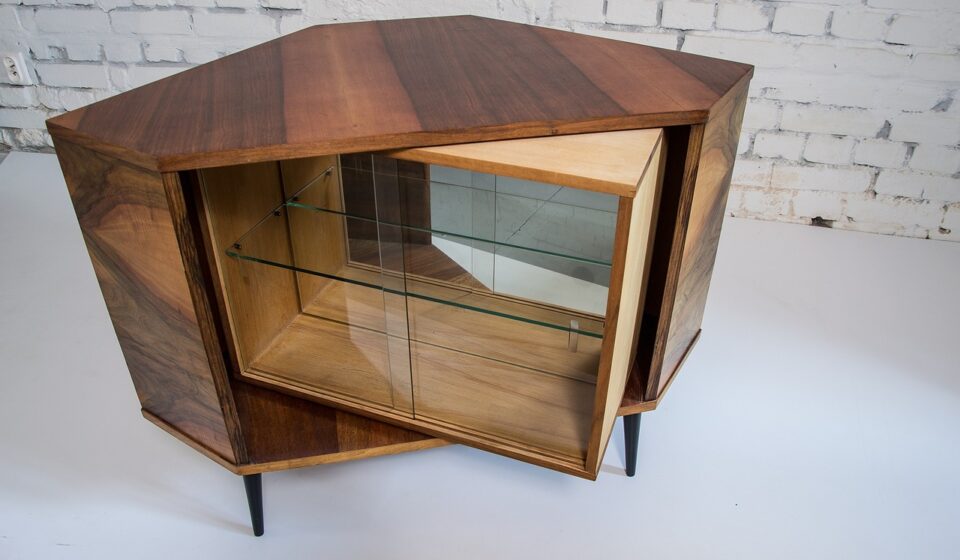
The right wood to make furniture is not a single species. It is the material that suits the furniture part, expected wear, finish, budget, indoor conditions and sourcing requirements. A dining table top needs dent resistance and movement control. A cabinet door needs visual consistency and stability. A painted bookcase may perform better with MDF or veneer-core plywood than with expensive solid walnut.
For many projects, the practical specification is a mix: solid hardwood for exposed edges, legs and rails; plywood or MDF for broad flat panels; and carefully selected veneer where appearance and yield matter. This guide explains how to compare furniture woods without relying only on vague labels such as “premium” or “solid.”

Start with the furniture part, not the species
Furniture buyers and makers often start by asking whether oak, walnut, maple or pine is “better.” A more useful question is what the wood has to do in the finished piece. In furniture construction, each part has a different job. Legs and rails carry load, table tops face abrasion and spills, drawer sides need clean machining, and cabinet panels must stay flat as humidity changes.
A sound material decision usually balances five factors:
- Strength and dent resistance: Important for chairs, tables, desks and other high-contact furniture.
- Dimensional stability: Critical for wide tops, doors, shelves and panels that may expand or contract with humidity.
- Appearance: Color, grain, figure and the way a finish changes the surface over time.
- Machining and joinery: Some woods rout, plane, glue and hold screws more predictably than others.
- Compliance and sourcing: Composite panels, imported materials and certified wood can carry specific documentation requirements.
The USDA Forest Products Laboratory’s Wood Handbook remains a key technical reference for wood behavior because it treats wood as an engineering material, not only as a decorative surface. A useful takeaway is that wood properties vary by species, moisture content, grain direction and product form. For that reason, a furniture specification should identify not only the species, but also the grade, moisture condition, panel type, veneer cut and finish system when those details affect performance.
Solid hardwoods for visible and load-bearing furniture
Solid hardwood is still the first choice for many exposed furniture components because it provides real grain, repairability and long service life when it is properly dried and designed. Hardwoods come from broadleaf trees, but the term does not mean every hardwood is physically hard. Balsa is a hardwood botanically, while some softwoods are strong enough for structural work. For furniture, the better comparison is practical performance.
Oak
Red oak and white oak are common furniture woods because they offer strength, availability and a pronounced grain. Red oak is often used where a bold open-grain look is acceptable. White oak is valued for a slightly tighter appearance and is often selected for mission-style, contemporary and architectural furniture. Quarter-sawn or rift-sawn oak can reduce some of the visual and movement issues that appear in wide flat-sawn boards.
Maple
Hard maple is dense, pale and fine textured. It is useful for desks, work surfaces, tables, drawers and furniture that needs a clean, light appearance. Its hardness can make it more demanding on cutting tools, but it can produce crisp details. Soft maple is generally easier to machine and is often used for painted or stained furniture where extreme hardness is not required.
Walnut
Walnut is chosen mainly for its darker color, moderate weight and refined grain. It is widely used in premium visible furniture, cabinet faces and accent details. It is not the hardest domestic hardwood, so the decision to use walnut is usually driven by appearance and workability rather than maximum dent resistance. Designers often reserve it for show surfaces and combine it with secondary woods or panels in hidden areas.
Cherry
Cherry machines well and is known for its warm color, which can darken with light exposure and age. It fits case goods, tables, chairs and traditional furniture styles. Because color change is part of its character, boards should be selected and laid out carefully so the finished piece does not look patchy.
Poplar, birch, beech and ash
Poplar is commonly used for painted parts, internal frames and secondary components because it machines easily and is usually more economical than show-grade hardwoods. Birch and beech can work well for furniture parts that need a fine, even texture, although availability and regional preferences vary. Ash offers good strength and a visible grain, but supply conditions can be affected by regional pest and forest health issues, so sourcing should be checked for each market.
Softwoods can work when the design matches the material
Softwoods such as pine, cedar and fir should not be dismissed automatically. Pine can suit rustic furniture, shelving, painted pieces and low-to-medium wear applications. It is light, easy to machine and visually familiar. Its main limitation is dent resistance: a soft tabletop will show use faster than oak or maple. That may be acceptable in farmhouse or distressed styles, but it is a poor match for a formal dining table expected to stay crisp under daily use.
Cedar is valued more for aroma and natural decay resistance than for hard-wearing indoor surfaces. It can be useful in chests, closets and outdoor-adjacent applications, depending on the species and construction. Fir and other construction softwoods can be used for furniture, but they often require careful selection to avoid knots, twist, pitch pockets and unstable grain. In design terms, softwoods work best when the aesthetic accepts visible knots and wear, or when paint and joinery can manage the material’s limits.
Engineered wood panels solve problems solid wood cannot
Many high-quality furniture pieces use engineered wood, and that is not automatically a downgrade. Plywood, MDF, particleboard and veneered panels are manufactured to solve the problem of wide, flat surfaces. A solid wood cabinet side or door panel can move significantly across the grain as humidity changes. A well-specified panel is often flatter and more predictable.
Plywood is made from layers of veneer with alternating grain direction. Furniture-grade plywood is useful for cabinet boxes, shelves, drawer bottoms, built-ins and veneered surfaces. It holds screws better than many low-density particleboards and is generally stronger along edges than MDF, though quality depends heavily on the core type and face veneer.
MDF has a smooth, uniform surface that paints well. It is often used for painted doors, decorative profiles, wall units and furniture panels where a grain-free finish is wanted. Its disadvantages include weight, weaker screw holding at edges, and sensitivity to moisture unless a moisture-resistant grade is specified.
Particleboard is common in cost-sensitive furniture and laminate-covered panels. It can be stable and efficient when used correctly, but edge durability, fastener strength and moisture exposure must be considered. It performs best when protected by laminate, veneer, edge banding or other surface systems.
Veneered panels allow valuable hardwood faces to be used efficiently over a stable core. This approach is common in case goods, doors, wall panels and large tabletops. The key is to specify the veneer species, cut, matching method, core and edge treatment. A veneered walnut cabinet can be more stable and material-efficient than a wide solid walnut panel. See also: built-in furniture.
For U.S.-market furniture, composite wood products deserve a compliance check. The U.S. Environmental Protection Agency identifies hardwood plywood, MDF and particleboard as regulated composite wood products under TSCA Title VI formaldehyde standards. That does not mean these panels should be avoided. It means buyers and manufacturers should confirm compliant labeling and documentation when such products are used.
Moisture content and movement affect furniture more than many species names
Wood is hygroscopic, meaning it exchanges moisture with the surrounding air. As moisture content changes, wood expands and contracts, especially across the grain. This is one of the main reasons furniture cracks, doors bind, panels cup and tabletops open at joints. The issue is not always the species. Often, the design did not allow for movement.
Furniture-grade lumber should be properly dried for its intended interior environment. The exact target moisture content depends on region, building conditions and climate control, but the principle is consistent: wood should be acclimated and built for the conditions where the furniture will be used. A board stored in a damp warehouse and moved directly into a heated interior can shrink after fabrication.
Good construction details reduce risk:
- Use floating panels in frame-and-panel doors rather than gluing wide panels rigidly on all sides.
- Attach solid wood table tops with fasteners or slots that allow seasonal movement.
- Avoid mixing wide solid boards and rigid sheet goods in ways that restrain cross-grain expansion.
- Use quarter-sawn or rift-sawn stock when straighter grain and reduced visual movement are important.
- Seal surfaces consistently, including undersides and hidden faces, to slow uneven moisture exchange.
Moisture control is also a finish issue. No common furniture finish makes wood completely immune to humidity, but a well-applied finish can slow moisture exchange and reduce staining, abrasion and cleaning damage.
Grades, appearance and sourcing should be written into the specification
For solid hardwood, grade affects yield and visible defects more than it guarantees beauty. The National Hardwood Lumber Association grading rules are widely used in North America and are based on the amount of clear cutting that can be obtained from a board. FAS is associated with longer, clearer cuttings, while No. 1 Common and other common grades can be efficient for smaller furniture parts, drawer fronts, rails and components where shorter clear pieces are acceptable.
This is an important cost lesson. A furniture maker does not always need the highest grade for every part. Long table rails, wide door frames and large continuous surfaces may justify clearer material. Small components can often be produced efficiently from lower grades if color and defect placement are managed well.
Sourcing language should also be clear. If a project requires certified wood, the specification should identify the certification system and chain-of-custody requirement. FSC and PEFC chain-of-custody systems are designed to track certified forest-based materials through the supply chain. For furniture buyers, the practical point is to ask for documentation rather than relying only on a sustainability claim in marketing copy.
For more practical reading on related material choices, visit the site’s furniture materials section.
Quick selection guide by furniture use
| Furniture use | Good material options | Why it works | Main caution |
|---|---|---|---|
| Dining table top | Oak, maple, walnut, cherry, veneered plywood with solid edging | Balances appearance, wear resistance and repairability | Solid tops need movement allowance |
| Painted cabinet doors | MDF, poplar, maple, paint-grade plywood | Smooth surface and stable profiles | Edges and moisture exposure need protection |
| Chair legs and rails | Oak, maple, beech, ash, walnut | Strength and joinery performance matter | Grain direction and joint design are critical |
| Bookcase shelves | Plywood with hardwood edge, solid hardwood, high-quality MDF for painted work | Flatness and stiffness can be designed into the shelf | Long spans may sag without edging or support |
| Drawer sides | Maple, birch, poplar, plywood | Smooth machining and stable movement | Low-quality panels may weaken fasteners |
| Luxury show surfaces | Walnut, cherry, white oak, matched veneer | Visual character drives value | Color matching and finish samples are essential |
Common mistakes when choosing wood to make furniture
- Equating weight with quality: Heavy wood can feel substantial, but it may also make furniture hard to move and stress hardware.
- Using solid wood for every panel: Solid wood is beautiful, but wide flat areas often benefit from engineered cores.
- Ignoring the finish: Open-grain oak, fine-grain maple and dark walnut respond differently to stain, filler and clear coats.
- Buying by species name only: Grade, moisture content, cut, defects and board selection can matter as much as the species.
- Overlooking regulations for panels: Composite wood products may require formaldehyde compliance documentation in regulated markets.
- Forgetting repair and maintenance: A soft rustic pine table may age attractively, while a glossy dark surface may show scratches quickly.
Frequently asked questions
What is the most practical wood to make furniture?
There is no single most practical wood for all furniture. Oak and maple are strong choices for durable tables, chairs and desks. Walnut and cherry are often selected for appearance. Poplar and MDF are practical for painted furniture. Plywood is often the most practical choice for large flat cabinet parts.
Is solid wood always better than engineered wood?
No. Solid wood is excellent for exposed edges, legs, rails and repairable surfaces, but engineered panels are often better for wide, flat and stable cabinet parts. Many well-built furniture pieces combine both.
Which wood is good for painted furniture?
MDF, poplar, soft maple and paint-grade plywood are common choices. MDF gives a very smooth surface, while poplar and maple are useful where stronger edges, joinery or solid profiles are needed.
What should buyers check before ordering wood furniture?
Ask about the species, solid or veneered construction, panel core, finish, expected maintenance, composite wood compliance and any certification claim. For custom furniture, request a finish sample because color and grain can vary significantly between boards.
Why do wooden tabletops crack or cup?
Cracking and cupping are usually related to moisture change, grain orientation, drying, construction and attachment methods. Solid wood moves across the grain, so tabletops need proper drying, balanced finishing and hardware that allows seasonal expansion and contraction.