Bamboo for furniture materials, uses and sourcing checks
Bamboo for furniture is not one uniform substitute for wood. It covers several material forms, including round cane, flattened strips, laminated boards, bamboo plywood, veneer, woven panels and dense fiber composites. Bamboo matures faster than many timber species, has a clear linear grain and can be engineered into panels for tables, cabinets, shelving and interior seating. The key procurement question is not whether bamboo is automatically better, but whether the specified bamboo product fits the furniture application, use environment and compliance requirements. This guide focuses on material selection, durability risks, indoor air quality and documentation checks for buyers comparing options in the wider furniture materials category.
What bamboo for furniture actually means
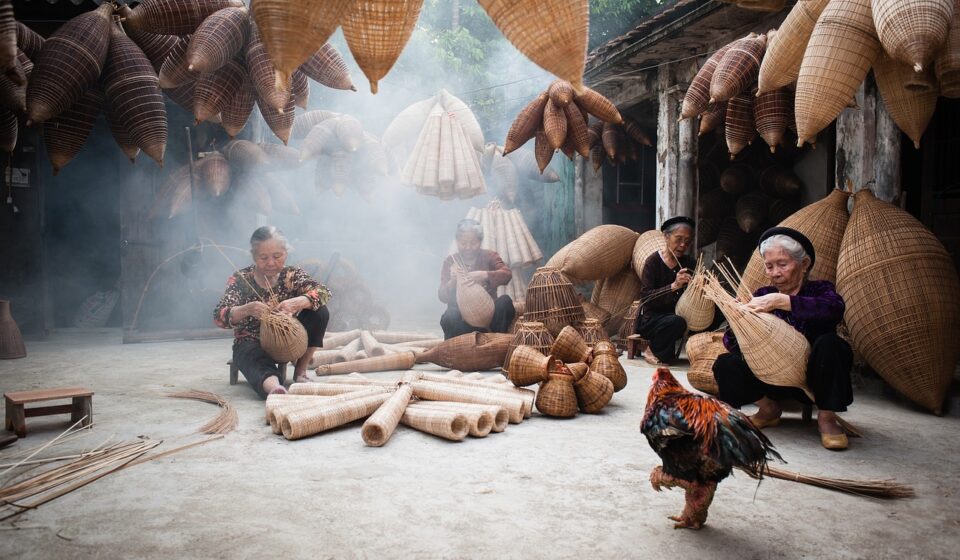
Bamboo is a woody grass, not a hardwood tree. In furniture production, that distinction matters because the useful part of the plant is the culm: a hollow, jointed stem with strong fibers running mainly along its length. Round culms can be attractive in chairs, screens, headboards and decorative frames, but they do not behave like sawn boards. Diameter, wall thickness, node spacing and taper vary from piece to piece.
Most modern bamboo furniture therefore uses processed or engineered bamboo. Manufacturers cut strips from culms, then dry, treat, plane and bond them into more regular shapes. Depending on the process, they can produce narrow slats, wide boards, laminated blocks, veneer sheets, plywood-like panels or high-density scrimber. These formats make bamboo easier to machine, edge-band, finish and combine with furniture hardware.
It is important to separate visual bamboo from structural bamboo. A bamboo veneer may provide the surface appearance while the substrate carries most of the load. A laminated bamboo tabletop, by contrast, may be the main working panel. Round culm furniture often depends on joinery, lashing, pins or internal reinforcement. A specification that simply says bamboo is too vague; it should state the material form, construction method and performance requirement.
Why furniture makers choose bamboo
The main attraction is renewability. Technical materials from the International Bamboo and Rattan Organization describe many commercial bamboo culms as reaching usable maturity in roughly three to six years, depending on species and management. That is much shorter than the rotation period of many hardwoods used in furniture. Bamboo also renews from rhizomes, so selective harvesting can remove mature culms while new shoots continue to grow.
Bamboo also has a recognizable design language. Vertical fiber lines, node traces and warm natural tones suit minimalist, Asian-inspired, hospitality and biophilic interiors. Carbonized or heat-treated bamboo can create a darker color, while natural bamboo gives a lighter appearance. Because the fibers are long and aligned, well-made laminated bamboo can provide good stiffness for shelves, tabletops, drawer fronts and panels where loads are predictable.
Another advantage is efficient use of smaller-diameter raw material. Instead of relying on large tree trunks, bamboo furniture can be made from culms cut into strips and reassembled into boards. This allows manufacturers to create consistent dimensions from a material that is naturally hollow and tapered. The same engineering that makes bamboo practical also creates quality variables, especially adhesive choice, pressing quality, moisture conditioning and finishing.
Design and performance limits to check
Bamboo can be durable, but it is not maintenance-free. INBAR post-harvest guidance notes that bamboo contains starches that can attract insects and fungal attack if culms are not properly treated, dried and stored. For furniture, raw bamboo should not be judged by appearance alone. Treatment method, moisture content and storage conditions all influence whether a product remains stable over time.
Moisture is one of the most common performance risks. Like wood, bamboo is hygroscopic, meaning it takes up and releases moisture as surrounding humidity changes. Poorly conditioned panels can cup, split, open at glue lines or show finish defects. Engineered bamboo research published in recent materials journals repeatedly points to dimensional stability, bond-line durability and species variability as key issues for laminated bamboo and bamboo scrimber. For indoor furniture, these risks can be managed with controlled drying, suitable adhesives, balanced layups and protective finishes.
Joinery also needs close attention. Round culms are strong along the fiber direction but harder to connect reliably because they are hollow and curved. Screws and bolts can crush the wall or split the culm if joints are not reinforced. Laminated panels are easier to use with conventional furniture hardware, but edges, screw withdrawal resistance and cross-grain movement should still be checked against the intended product design.
| Furniture form | Common uses | Main checks |
|---|---|---|
| Round bamboo culm | Chair frames, screens, decorative structures, headboards | Species, maturity, treatment, cracking, joint reinforcement |
| Laminated bamboo board | Tabletops, shelving, cabinet fronts, work surfaces | Moisture content, glue quality, layup balance, edge finishing |
| Bamboo plywood or panel | Cabinet carcasses, drawer parts, wall-mounted furniture | Panel grade, thickness tolerance, formaldehyde compliance, flatness |
| Bamboo veneer | Decorative faces on panels or doors | Substrate quality, adhesive system, sanding allowance, finish compatibility |
| Bamboo scrimber or fiber composite | Dense boards, flooring-related furniture parts, heavy-use surfaces | Density, machining behavior, resin content, dimensional stability |
Sustainability and indoor air quality are not automatic
Bamboo is often marketed as a green material, but responsible sourcing still requires evidence. Fast growth is only one part of the sustainability story. Buyers should ask whether the bamboo was harvested at the correct maturity, whether the stand was managed responsibly, whether processing waste is controlled and whether claims are supported by recognized certification or traceability documents.
Forest Stewardship Council chain-of-custody certification is one way suppliers document that certified material is identified and separated from ineligible material through the supply chain. For furniture brands making sustainability claims, a logo in a catalog is not enough. The invoice, certificate scope and product claim should align. PEFC or local legal-harvest documentation may also be relevant, depending on the market and buyer requirements.
Indoor air quality deserves equal attention. Many engineered bamboo panels use adhesives, and some are combined with plywood, MDF or particleboard substrates. In the United States, the EPA TSCA Title VI program regulates formaldehyde emissions from hardwood plywood, medium-density fiberboard and particleboard. The EPA also states that, beginning March 22, 2024, certain non-exempt laminated product producers are included as hardwood plywood producers for testing and certification purposes. California Air Resources Board rules similarly focus on hardwood plywood, particleboard and MDF, as well as finished goods containing regulated composite wood products sold or supplied in California.
The practical lesson is straightforward: bamboo furniture should not be described as zero-emission unless that claim is specifically tested and documented. Ask for relevant formaldehyde emission certificates, finish safety data, adhesive information and compliance statements for the destination market. For office or commercial furniture, broader sustainability frameworks such as ANSI/BIFMA e3 may also influence purchasing decisions, especially where buyers evaluate environmental, health and social impacts together. See also: built-in furniture.
Bamboo compared with common furniture alternatives
Compared with solid hardwood, bamboo can offer a faster-renewing raw material and a distinctive linear appearance. Hardwood still has advantages in repairability, traditional joinery, species familiarity and long-established grading systems. A premium oak or walnut table is usually bought for natural figure and long-term refinishability; a bamboo table is often chosen for modern appearance, material efficiency and a sustainability narrative that must be documented rather than assumed.
Compared with MDF and particleboard, laminated bamboo can provide a more natural surface and better edge presentation when the board itself is exposed. MDF remains popular because it is flat, economical and easy to paint, while particleboard supports low-cost mass production. Bamboo panels may cost more and require closer supplier control, but they can reduce the need for decorative plastic laminates when the bamboo face is the intended finish.
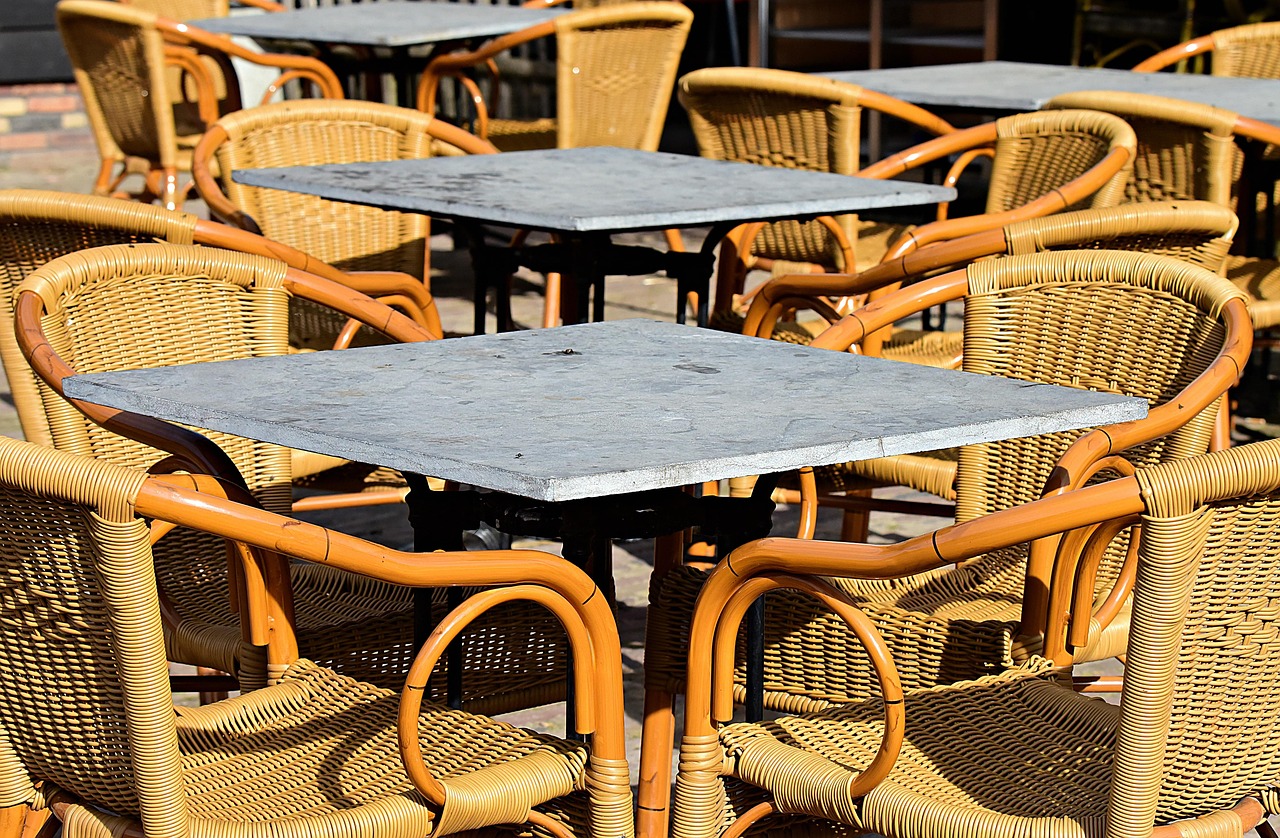
Compared with rattan, bamboo is generally better suited to straight members, panels and load-bearing rails. Rattan is valued for bending, weaving and lightweight comfort. The two materials are sometimes combined: bamboo can form the frame, while rattan or cane webbing creates flexible panels. Compared with metal or plastic, bamboo brings warmth and lower visual hardness, but it needs protection from prolonged moisture, ultraviolet exposure and abrasion.
Specification checklist for buyers and designers
A good bamboo furniture specification turns a design idea into measurable production requirements. The following questions help buyers separate attractive samples from repeatable production quality.
- Material form: Is the product made from round culm, laminated strip board, bamboo plywood, veneer or scrimber?
- Species and maturity: What bamboo species is used, and at what approximate age are culms harvested?
- Moisture control: What target moisture content is used before lamination or assembly, and how is it measured?
- Treatment: How are culms or strips protected against insects, fungi and staining before production?
- Adhesive system: What resin or glue is used, and is it appropriate for indoor, humid or high-wear conditions?
- Emission documentation: If composite wood rules apply, are EPA TSCA Title VI, CARB or market-specific test documents available?
- Panel quality: What are the tolerances for thickness, flatness, delamination, edge defects and color variation?
- Hardware performance: Have hinges, screws, dowels, inserts and knock-down fittings been tested in the actual bamboo material?
- Finish system: Is the surface protected against water rings, stains, abrasion and ultraviolet color shift?
- Use environment: Is the furniture intended for dry indoor use, covered outdoor use, bathrooms, hospitality areas or heavy commercial use?
For procurement teams, the most important step is to request documents that match the finished product, not only the raw panel. A compliant panel can still be used poorly, and a strong prototype can fail if production moisture control changes. Samples should be reviewed after conditioning, assembly and finish application, because bamboo movement and glue-line behavior may not appear immediately.
Frequently asked questions
Is bamboo furniture durable?
Yes, bamboo furniture can be durable when the material is mature, properly treated, dried, bonded and finished. Durability depends more on processing and design than on the word bamboo alone. Poorly dried culms, weak glue lines or unsuitable outdoor exposure can lead to cracking, swelling or insect damage.
Is bamboo furniture solid wood?
No. Bamboo is not wood in the botanical sense; it is a grass. Some furniture uses solid-looking laminated bamboo boards made from strips, while other pieces use bamboo veneer over a different substrate. Buyers should ask whether bamboo is the main structural material or only the visible surface.
Can bamboo furniture be used outdoors?
Only if the product is designed and finished for that exposure. Untreated or indoor-grade bamboo should be kept away from standing water, prolonged rain and strong sunlight. Covered patios may be possible with suitable treatment, exterior-grade adhesives, sealed end grain and maintenance, but the supplier should confirm the intended exposure class.
Is bamboo better than wood for furniture?
It depends on the application. Bamboo may be a strong choice for modern panels, renewable-material stories and exposed linear grain. Wood may be better for traditional joinery, high-end repairable heirloom pieces or applications where established species performance is needed. The best choice is the material with verified performance for the product, market and use environment.
Does bamboo furniture contain formaldehyde?
Raw bamboo culm does not require formaldehyde-based resin, but many engineered bamboo products use adhesives, and some bamboo-faced furniture includes plywood, MDF or particleboard. That is why emission documentation matters. For regulated markets, buyers should request compliance evidence for the finished good or applicable composite components.
Bottom line for material selection
Bamboo for furniture is most useful when it is treated as an engineered material with defined performance requirements. Its fast maturity, attractive grain and efficient conversion into panels make it suitable for many indoor furniture applications. Its limitations are also clear: moisture movement, biological vulnerability before treatment, adhesive quality, emissions compliance and joint design must be controlled. The strongest specification is not bamboo as a broad claim, but a defined bamboo product with verified sourcing, testing and use conditions.