Outdoor furniture teak wood guide for durability, sourcing and care
Why teak remains specified outdoors
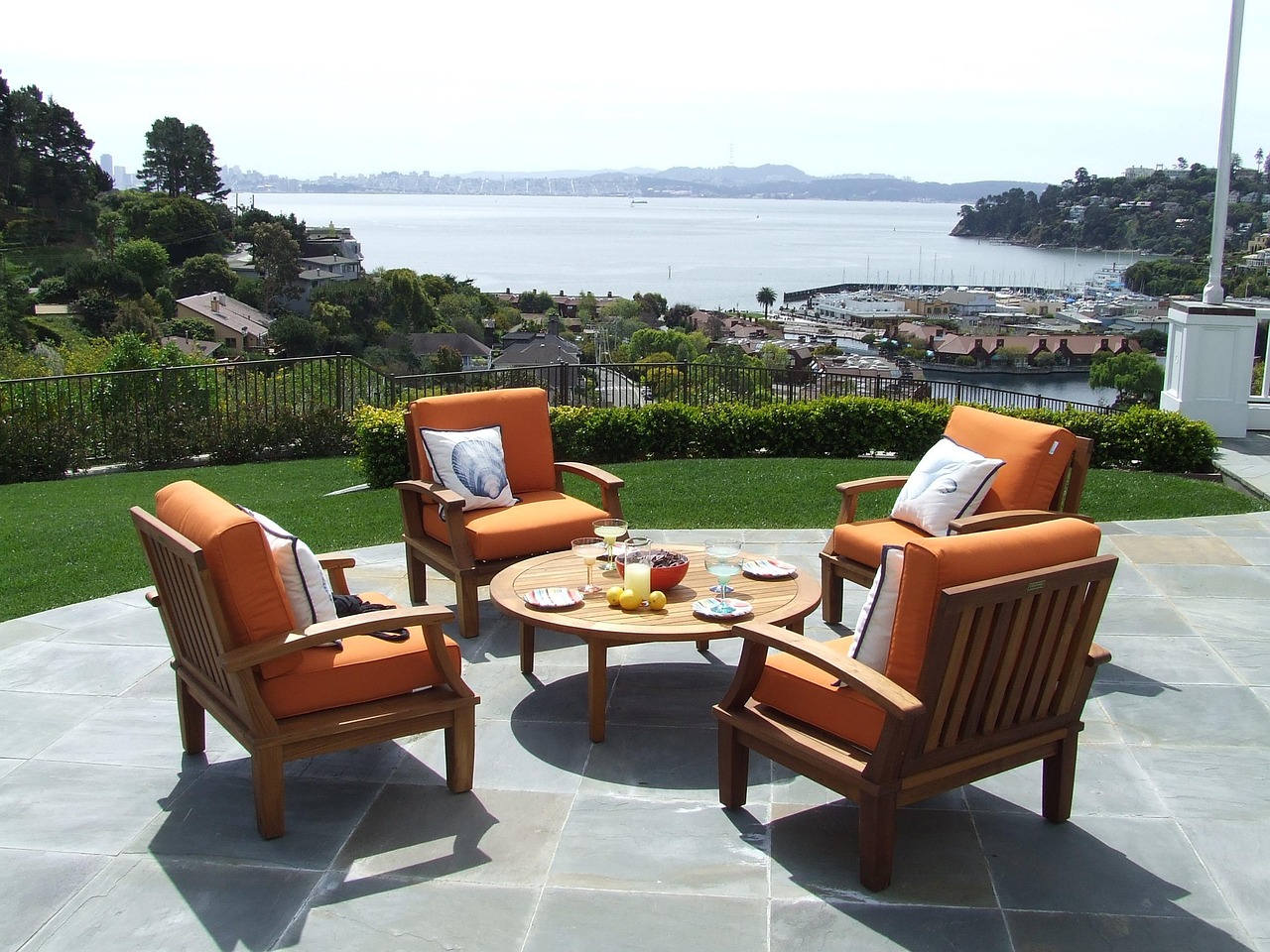
Outdoor furniture teak wood remains a common specification because true teak heartwood brings together weather resistance, dimensional stability and a surface that can age naturally without paint. For patios, pool areas, garden dining sets and coastal furniture, those qualities usually matter more than a glossy showroom color.
Teak is not a shortcut around good design. Its service life depends on the actual species, heartwood content, drying quality, joinery, hardware and sourcing documentation. A well-built teak chair can handle sun and rain with modest care, while a poorly documented “teak-look” product may deteriorate quickly. The practical question is not simply “teak or not teak,” but whether the furniture uses suitable teak in a form that drains, dries and can be maintained.
What teak is and why heartwood matters
True teak is Tectona grandis, a tropical hardwood species identified by botanical references such as Kew’s Plants of the World Online and taxonomic databases including ITIS. Kew describes the tree as native from India to parts of mainland Southeast Asia and widely cultivated in the tropics. The same botanical profile notes long-standing timber uses in furniture, construction, flooring and ship decking, which helps explain why teak is so closely linked with outdoor and marine applications.
The part of the log is important. Outdoor performance is mainly associated with mature heartwood, the darker inner wood that contains natural extractives. Sapwood, the paler outer wood, is normally less durable and should not be treated as equivalent just because it came from the same tree. A furniture specification should therefore ask for teak heartwood, not just “teak finish” or “teak color.”
True teak versus teak-colored alternatives
Many products use names that sound similar to teak. “Brazilian teak,” “African teak,” “Rhodesian teak” or “teak oil finish” may refer to other species, a color treatment or a marketing description rather than Tectona grandis. Some substitute woods can be useful materials, but they should be evaluated under their own botanical or trade names. If a buyer wants the known behavior of teak, the purchase documents should state the botanical name, not only a sales label.
Weathering is not the same as failure
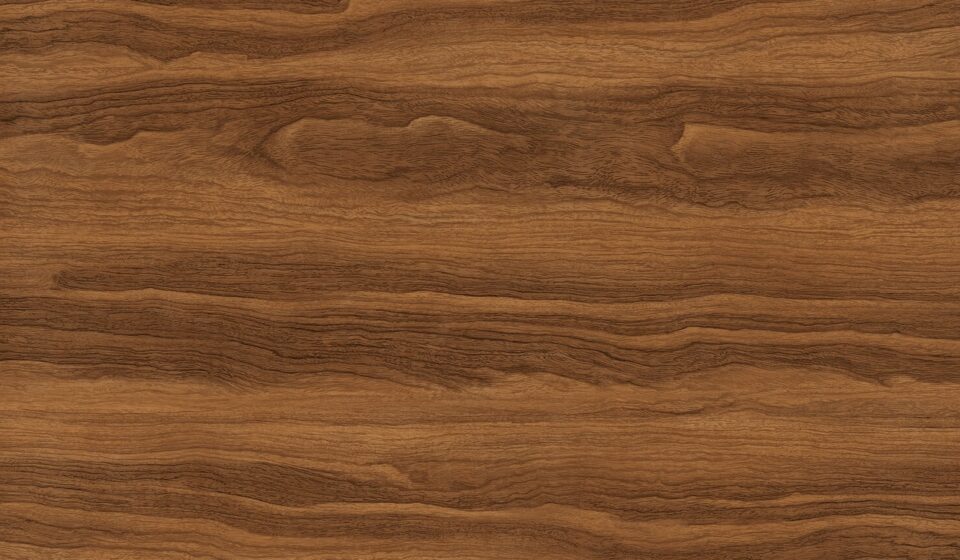
Untreated teak exposed outdoors changes from golden brown to a silver-grey surface. This is mainly surface weathering caused by sunlight, rain and oxidation. It does not automatically mean the furniture is rotten or unusable. Many owners choose teak because it can develop that softer grey appearance while remaining structurally serviceable. The distinction matters: grey color is usually an aesthetic change; soft fibers, blackened trapped moisture, loose joints or deep checking are performance issues.
Performance factors that matter more than the name
Teak’s reputation can lead to oversimplified claims. In practice, outdoor durability comes from material selection and furniture engineering working together. The USDA Forest Products Laboratory’s wood guidance consistently emphasizes that natural durability varies by species, heartwood content and exposure conditions. For furniture buyers, this means a dense teak board cannot compensate for poor drainage, weak fasteners or unfinished end grain in a constantly wet location.
| Specification factor | Why it matters outdoors | What to look for |
|---|---|---|
| Heartwood content | Heartwood carries the durability associated with teak. | Ask whether exposed structural parts are heartwood rather than mixed sapwood. |
| Moisture control | Furniture lasts longer when rain can drain and surfaces can dry. | Look for slatted seats, raised feet, open joints and no water-trapping pockets. |
| Joinery | Movement from humidity can stress weak joints. | Prefer mortise-and-tenon style construction, dowels or robust mechanical fastening. |
| Hardware | Corroding screws stain wood and loosen connections. | Stainless steel or other corrosion-resistant hardware is preferred outdoors. |
| Finish strategy | Film finishes can crack if they are not maintained. | Choose bare teak for lower maintenance or a breathable teak sealer for color retention. |
Termite and insect resistance should also be described with care. Teak is generally recognized as durable against decay compared with many furniture woods, but that does not make every teak piece insect-proof in every climate. Ground contact, soil splash, hidden dampness and storage in poorly ventilated spaces increase risk. Outdoor furniture should be designed to sit above wet ground and dry after rain.
Sourcing and legality checks should be part of the material decision
Teak’s popularity has a second side: sourcing risk. Kew notes that while teak is widely cultivated, unique natural teak forests in parts of India, Myanmar and Thailand have faced pressure from over-exploitation. FSC risk assessments have also highlighted that, in some source regions, natural teak can be at risk of being mixed into plantation timber consignments. For editors, designers and procurement teams, the responsible message is clear: material appeal does not remove the need for documentation.
For commercial projects, purchase orders should ask for basic traceability. Useful questions include the country of harvest, whether the wood is plantation-grown or natural forest timber, whether a credible chain-of-custody certificate is available, and whether the supplier can provide invoices that carry the same species and certification claims used in the sales description. Certification is not a decorative badge; it is meaningful only when the document scope, supplier name and product category match the furniture being purchased.
Private homeowners can apply a simpler version of the same discipline. If a product is expensive because it is sold as teak, the seller should be able to identify the species and explain the grade. Vague wording such as “teak-like,” “teak tone” or “premium tropical hardwood” should be treated as a reason to ask more questions, not as proof of poor quality by itself.
How to maintain teak without over-maintaining it
The most common teak maintenance mistake is doing too much. Teak does not need paint or a heavy coating to survive normal outdoor exposure. For many homes and hospitality spaces, the lowest-maintenance plan is to let it weather naturally and clean it periodically. A mild soap solution, water and a soft brush are usually enough for routine cleaning. Work with the grain, rinse thoroughly and let the furniture dry in open air.
If you want the silver-grey patina
Leave the wood bare, clean it when dirt builds up, and remove leaves, food residue and bird droppings promptly. Covers can be useful, but only if they breathe and do not trap condensation against the wood. In wet seasons, raise furniture slightly or move it to a ventilated area rather than wrapping it tightly for months.
If you want to keep the golden-brown tone
Expect more maintenance. Sunlight will keep pushing teak toward grey, so color retention requires periodic cleaning and a suitable teak sealer or manufacturer-recommended treatment. Teak oil is often marketed as a simple fix, but repeated oiling can darken the surface and may encourage mildew in damp climates if excess oil remains on the wood. If oil or sealer is used, the surface should be clean, dry and lightly prepared first. Apply thinly, wipe off excess and follow the furniture maker’s instructions.
What to avoid
- Aggressive pressure washing that raises grain and erodes the surface.
- Household bleach mixtures that can damage fibers or nearby finishes.
- Thick film coatings unless the owner accepts future sanding and refinishing.
- Leaving metal objects, planters or wet cushions on the same spot for long periods.
- Assuming that grey color means the furniture must be oiled immediately.
When teak is not the most practical choice
Teak is often a strong material choice, but it is not automatically the most practical one. Budget is the obvious limitation: well-sourced teak heartwood costs more than many plantation hardwoods, metals or engineered outdoor materials. For large commercial terraces, the difference can be substantial. If the design requires a painted color, teak’s natural appearance may also be wasted because paint covers the feature that makes it desirable.
Weight can be another issue. Teak furniture is reassuringly solid, but that can be inconvenient for rooftop spaces, event venues or areas where staff move furniture every day. In very shady and damp locations, even durable hardwoods need ventilation and cleaning. If furniture is always under trees, near sprinklers or covered with cushions that rarely dry, material selection should be paired with a maintenance plan.
There is also the question of visual expectations. New teak looks warm and golden, while aged teak becomes grey. Both appearances can be attractive, but a mixed patio with new replacement chairs and older tables may look uneven for a season. Designers should treat weathering as part of the specification, especially in hospitality settings where consistent appearance matters.
Buying and specification checklist
Before choosing outdoor teak furniture, evaluate the product as a system rather than a species label. The following checklist helps separate durable furniture from marketing language:
- Confirm the botanical name Tectona grandis when true teak is required.
- Ask whether exposed rails, legs, arms and seats are made primarily from heartwood.
- Check for smooth sanding, rounded edges and no obvious open defects in load-bearing areas.
- Look under the piece for drainage, clean joinery and corrosion-resistant hardware.
- Ask whether the wood is kiln-dried or otherwise dried for furniture production.
- Request sourcing documents for commercial purchases or high-value residential orders.
- Decide before purchase whether the desired look is natural grey or maintained golden brown.
- Choose cushions that can be removed and dried rather than leaving fabric wet on the wood.
For broader furniture material notes and industry updates, visit Huangjinhe.com.
Frequently asked questions
Is teak wood good for outdoor furniture?
Yes, true teak heartwood is widely used for outdoor furniture because it handles weather exposure better than many common furniture woods. The key conditions are real Tectona grandis, adequate heartwood content, good drying, strong joinery and a design that allows water to drain.
Does outdoor teak furniture need to be oiled?
No, teak does not need oil to remain usable outdoors. Oiling is mainly an appearance choice for people who prefer a warmer brown tone. If the goal is low maintenance, letting teak weather naturally to grey and cleaning it periodically is usually simpler.
Why does teak outdoor furniture turn grey?
Teak turns grey because sunlight and weather change the surface fibers. This patina is normal and is not the same as rot. Structural concerns are more likely when the wood becomes soft, joints loosen, water is trapped or the piece develops deep cracks.
How can buyers avoid fake teak claims?
Ask for the botanical name, not only the trade name. True teak should be identified as Tectona grandis. If a product is described as teak-colored, teak-finished or a regional “teak” with another botanical name, evaluate it as a different material.
Is certified teak worth considering?
Certified or well-documented teak is worth considering because teak supply chains can involve complex plantation and natural forest sources. For commercial projects, documentation helps support legality, traceability and responsible sourcing claims.