Plastic wicker outdoor furniture guide to material, frame and care choices
What plastic wicker outdoor furniture really means
Plastic wicker outdoor furniture is not one material. It is a woven furniture construction that uses synthetic strands, usually polyethylene-based resin, over a supporting frame to imitate natural rattan or cane. The core buying question is simple: will it hold up outdoors? It can, but only when the strand formulation, UV protection, frame, drainage and maintenance plan fit the climate and the way the furniture will be used. A woven chair for a shaded residential patio does not need the same specification as a sectional used daily beside a pool, in a coastal hotel or on a sunny rooftop terrace.
The most useful way to assess plastic wicker is to look at the furniture in layers: the visible woven strand, the frame beneath it, the cushion system, the fasteners and the finishing details. Any one of these layers can extend or shorten service life.
Wicker is a weave, not a material
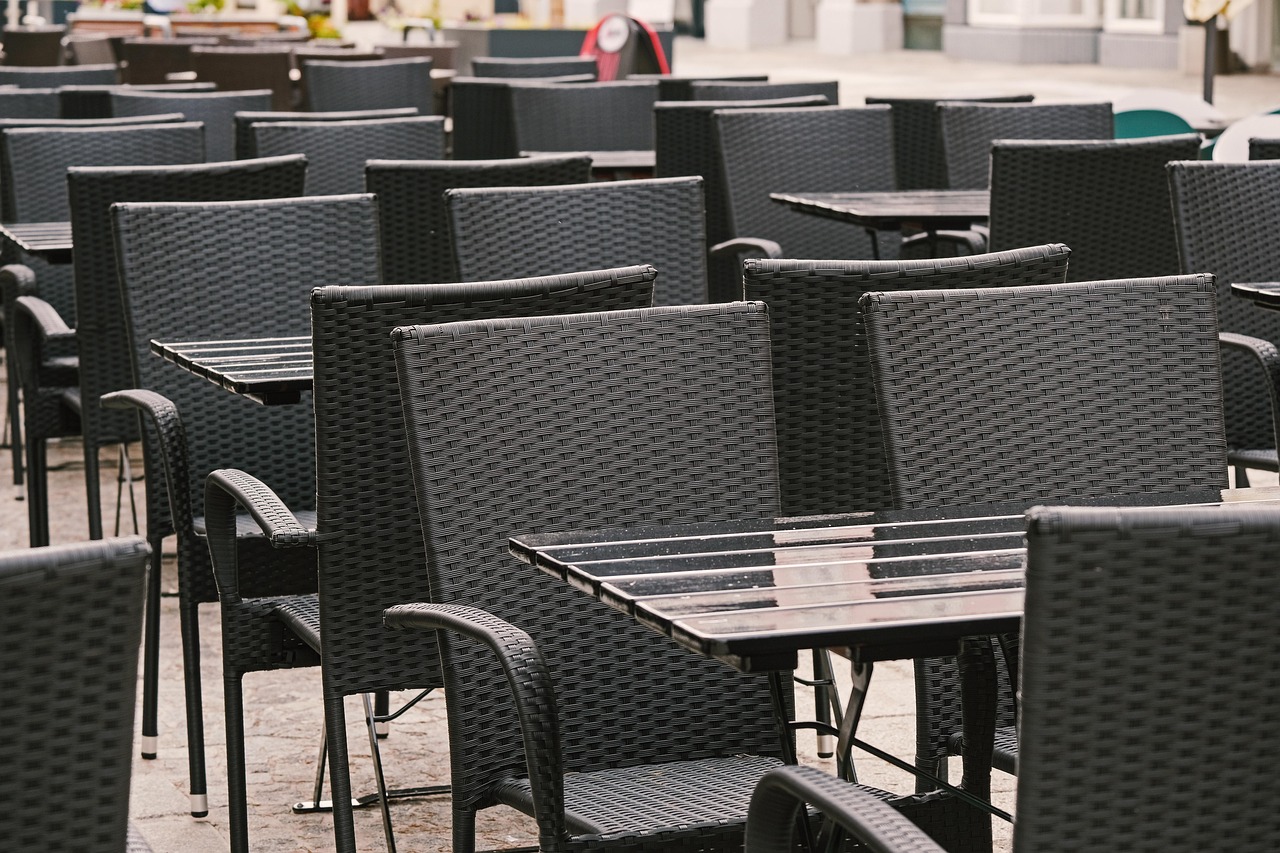
A common source of confusion is the word wicker. In furniture terminology, wicker describes a weaving method rather than the raw material itself. Natural wicker may use rattan, willow, reed or bamboo. Plastic wicker uses synthetic resin strands shaped to resemble those natural fibers. For outdoor furniture, that distinction matters. Natural rattan can absorb moisture and is generally better suited to indoor or well-protected areas, while synthetic wicker is designed to handle water exposure more effectively.
Product descriptions often use terms such as resin wicker, synthetic rattan, all-weather wicker, PE rattan, HDPE wicker and PVC wicker. These terms are not always used consistently in retail copy, so buyers should look for the actual polymer and construction details, not only the style name. If a listing says only wicker, it may not provide enough information about outdoor durability.
For a broader look at how material choices affect furniture performance, see the furniture materials section.
Common plastic wicker materials and how they differ
Most outdoor plastic wicker is made from polyethylene or related synthetic resin. Different polymers, however, respond differently to sunlight, heat, cold and repeated flexing. The table below outlines the practical differences without assuming that every product in a category performs the same way.
| Material description | Typical use in outdoor wicker | Strengths | Limitations to check |
|---|---|---|---|
| PE or polyethylene wicker | Common synthetic rattan strand for outdoor seating and dining sets | Good moisture resistance, flexible feel, widely used in patio furniture | Quality depends heavily on UV stabilizers, pigment quality and strand thickness |
| HDPE wicker | Higher-density polyethylene strand used in many better outdoor products | Often associated with improved toughness and weather tolerance compared with low-grade resin | Still needs proper UV protection and a durable supporting frame |
| PVC or vinyl wicker | Used in some lower-cost or protected-area furniture | Can be economical and easy to form into woven strands | May become less forgiving in intense sun, heat or cold if formulation is basic |
| Polypropylene and other plastics | Occasional use in molded or woven-look outdoor furniture | Lightweight and moisture resistant | Outdoor performance depends on formulation, UV package and product design |
| Natural rattan or cane | Indoor, covered patio or decorative use | Warm natural texture and traditional craft value | Not the same as all-weather wicker; vulnerable to moisture and biological deterioration outdoors |
The resin name alone does not prove quality. A thick, UV-stabilized PE strand on a powder-coated aluminum frame may outperform a thin strand that uses the same polymer name but has poor stabilizers, weak pigment dispersion or a frame that traps water. For this reason, specification sheets are more useful than lifestyle photos when comparing products.
The frame often decides long-term performance
Plastic wicker is the visible surface, but the frame carries the load. Outdoor woven furniture commonly uses aluminum, steel and, in some cases, plastic or composite frames under the weave. Aluminum is popular because it does not rust like ordinary steel, is relatively light and can be powder coated. Steel can be strong, but if the coating is damaged and water reaches the metal, corrosion can spread under the woven shell and become difficult to inspect.
Good frame design is not only about the metal type. It also depends on weld quality, tube wall thickness, cross-bracing, fastener choice, foot design and how the furniture drains after rain. Water trapped inside tube ends or under seat decks can accelerate corrosion, mildew and staining. A chair may look fine on day one but become unstable later if the frame weakens while the wicker surface still appears intact.
Details worth checking
- Ask whether the frame is aluminum, powder-coated steel, stainless steel, plastic or a mixed structure.
- Look for sealed or protected tube ends, especially on legs and arms.
- Check whether feet lift the furniture above standing water.
- Inspect the underside for rough welds, exposed fasteners or sharp edges that can cut the strand.
- For contract or hospitality use, ask for load, stability and durability test information rather than relying on appearance.
Weathering, UV exposure and realistic testing
Outdoor wicker faces several stresses at the same time: ultraviolet radiation, heat, moisture, freezing conditions in some regions, salt air, pool chemicals, wind-blown dust and repeated body movement. These stresses do not act separately in service. A resin strand may fade, chalk, stiffen or crack faster when high UV exposure is combined with heat and mechanical tension.
ASTM G154-23 is a commonly referenced standard practice for operating fluorescent ultraviolet lamp apparatus for exposure of nonmetallic materials. It matters because it provides a controlled way to expose materials to UV light and moisture, but it does not, by itself, guarantee a specific furniture lifespan. Results depend on the test cycle, material, specimen preparation and evaluation method.
BIFMA’s OF-2025 outdoor furniture whitepaper also makes a practical point for specifiers: accelerated weathering results should be used alongside applicable safety and performance standards because there is no simple one-to-one conversion between chamber hours and years of outdoor service. In practical terms, a claim such as tested for 1,000 hours is more useful when the test method, cycle, acceptance criteria and intended product application are explained.
How to read durability claims
- UV resistant should mean the material includes stabilizers or pigments intended for sun exposure, not merely that the product is plastic.
- All weather should be interpreted with climate in mind. Desert sun, coastal salt air and freeze-thaw conditions are different environments.
- Commercial grade should be supported by performance testing, frame details and warranty terms, not just heavier styling.
- Recycled plastic can be positive, but it should not replace questions about consistency, stabilizers and structural design.
Comfort, cushions and daily usability
Material durability is only one part of user satisfaction. Plastic wicker furniture also has to feel comfortable, drain quickly and stay easy to clean. Wide flat strands can create a smooth contemporary look, while round or half-round strands often imitate natural rattan more closely. Tighter weaves may look refined, but they can trap debris if there is no practical cleaning access.
Cushions need separate attention. Many woven outdoor sofas fail in use not because the wicker breaks first, but because cushions absorb water, fade or develop mildew odors. Look for outdoor fabrics, quick-dry foam or drainage layers, removable covers and clear cleaning instructions. Dark cushion colors can run hotter in direct sun, while very light fabrics may show dirt quickly in dusty or high-traffic settings.
Ergonomics also matter. Deep seating looks generous in product photography, but it may be uncomfortable for shorter users without back cushions. Dining chairs should have the right seat height for the table after cushions compress. For hospitality or shared spaces, lighter pieces are easier to move, but very light furniture may require wind-management planning.
Care and maintenance that actually helps
Plastic wicker is usually lower maintenance than natural rattan, but it is not maintenance free. Regular cleaning removes grit that can abrade strands and prevents organic debris from sitting in the weave. A soft brush, mild soap and water are usually enough for routine care. Pressure washing may force water into joints or damage weaker strands, so it should be used cautiously, if at all. See also: built-in furniture.
Shade and storage can also extend useful life. Furniture left uncovered through intense sun, snow or salty wind will age faster than the same furniture used under a pergola or stored during off-seasons. Covers can help, but breathable covers are preferable because trapped condensation may encourage mildew or corrosion beneath the weave.
Practical care schedule
- Rinse dust and pollen from the weave every few weeks during heavy-use seasons.
- Clean spills quickly, especially sunscreen, food oils, drinks and pool chemicals.
- Check the underside twice a year for loose strands, rust marks, cracked feet or missing glides.
- Store cushions dry and upright when the furniture will not be used for long periods.
- Move pieces by lifting the frame, not by dragging arms or woven panels.
Sustainability and end-of-life considerations
Plastic wicker raises a sustainability question because it is made from polymer materials, often combined with metal frames, screws, fabric cushions and foam. Recycled content can reduce reliance on virgin resin, but it is not the whole story. Long service life, repairability, replaceable cushions and clear material identification can be just as important.
The ANSI/BIFMA e3-2024 Furniture Sustainability Standard is one example of a multi-attribute framework used in the furniture industry. It considers more than a single material claim, including product, facility and organizational factors when products pursue LEVEL certification. For buyers, the lesson is to be cautious with broad green claims and ask what is actually documented.
At end of life, mixed-material outdoor furniture can be hard to recycle unless components can be separated. A woven PE strand around a metal frame may be durable in use, but the combination complicates recovery if the product is glued, stapled or permanently wrapped. Choosing repairable furniture and replacing cushions or feet before discarding the entire frame can reduce waste more effectively than treating patio sets as short-cycle seasonal goods.
How to choose plastic wicker outdoor furniture for different spaces
The right specification depends on where the furniture will be used. A covered balcony may tolerate a wider range of materials than an uncovered pool deck. A restaurant terrace needs a different balance of strength, cleanability and stackability than a private garden lounge.
| Use environment | Recommended focus | Reason |
|---|---|---|
| Sunny residential patio | UV-stabilized PE or HDPE wicker, shade planning and breathable covers | Sunlight and heat are likely to drive fading and strand aging |
| Coastal balcony | Aluminum or corrosion-resistant frame, stainless or protected fasteners | Salt air can accelerate corrosion on vulnerable metals |
| Poolside area | Quick-dry cushions, easy-clean weave and chemical-resistant finishes | Water, chlorine residue and sunscreen can affect appearance and hygiene |
| Hospitality terrace | Tested load performance, replaceable components and stable frame design | Frequent movement and public use increase wear |
| Covered porch | Comfort, style and moderate weather resistance | Reduced sun and rain exposure lowers material stress |
Price should be read together with specifications. A low-cost set may be reasonable for short-term seasonal use in a protected space. For exposed or high-traffic settings, a stronger frame, better resin and replaceable parts may offer better value even if the purchase price is higher.
Frequently asked questions
Is plastic wicker the same as rattan?
No. Rattan is a natural plant material, while plastic wicker is a synthetic woven material made to resemble rattan or cane. The word wicker refers to the weave, not the raw material.
Is HDPE wicker always better than PVC wicker?
HDPE is often preferred for higher-quality outdoor wicker because it can be tough, flexible and weather tolerant when properly formulated. However, the final product still depends on UV additives, strand thickness, frame design and manufacturing quality.
Can plastic wicker furniture stay outside all year?
Some plastic wicker furniture is designed for year-round outdoor exposure, but climate matters. Continuous sun, snow, salt air or standing water will shorten service life. Covers, shade and dry storage during severe seasons can help.
What is the most important thing to check before buying?
Check the full construction, not only the weave. The best questions are: what resin is used, what frame is underneath, how the product drains, what testing supports the outdoor claim and whether cushions or parts can be replaced.
How do you clean plastic wicker outdoor furniture?
Use mild soap, water and a soft brush or cloth. Avoid harsh solvents and be careful with pressure washers, especially on thinner strands or older furniture. Let the furniture dry fully before covering or storing it.
Bottom line
Plastic wicker outdoor furniture can be durable and attractive when it is treated as a complete system rather than a surface style. The strongest choices combine UV-stabilized synthetic wicker, a corrosion-resistant frame, good drainage, suitable cushions and realistic maintenance. For buyers and specifiers, the safest approach is to look beyond all-weather wording and ask for the material, construction and testing details that support the claim.