Miter saw buying guide for furniture, trim, and construction work

Start with the work you actually cut
A useful miter saw buying guide starts with the material and the cut, not with the tool catalog. For furniture, trim, flooring, cabinet parts, and light construction, the right saw is usually the one that delivers repeatable square cuts, enough crosscut capacity, stable bevel adjustment, and workable dust control without adding weight, size, or cost you do not need.
Most buyers should compare four choices first: standard or compound, sliding or non-sliding, single-bevel or dual-bevel, and 10-inch or 12-inch blade size. A 10-inch sliding compound saw is often enough for furniture parts, baseboards, casing, and general workshop cutting. A 12-inch dual-bevel sliding saw is a better fit when wide boards, tall crown molding, stair parts, or framing lumber are part of regular work. The best choice is not automatically the largest saw; it is the saw whose capacity, accuracy, and portability match the way it will be used.
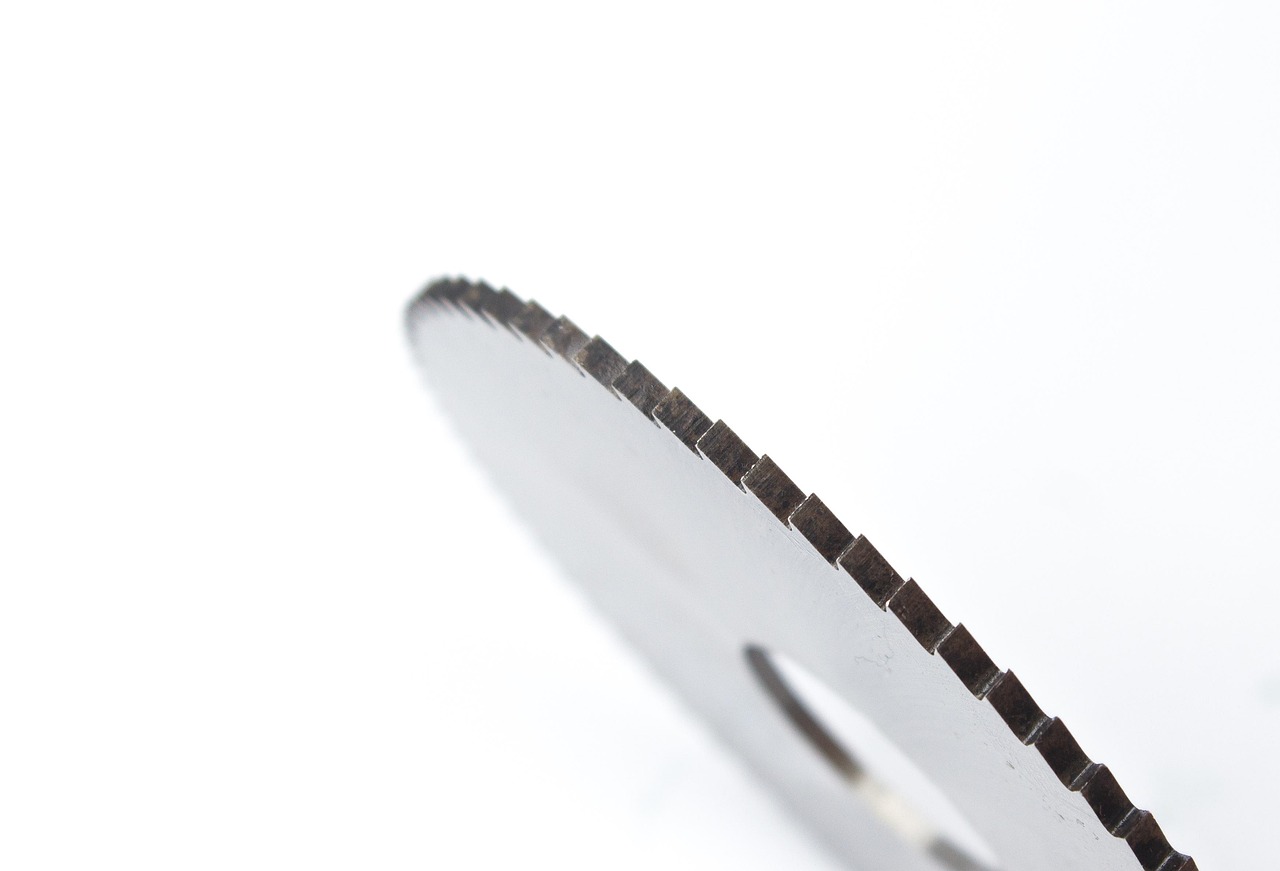
For more tool and material selection articles, visit the buying guides section.
Understand the main miter saw types
Miter saw names can be confusing because several features are often combined in one model. Separating the basic categories makes comparison much easier.
Standard miter saw
A standard miter saw pivots left and right to make angled crosscuts. It works for simple framing cuts, picture frames, small trim, and repeated square or angled cuts. It does not tilt for bevel cuts, so it is limited when the job calls for compound angles, crown molding, furniture details, or more complex joinery.
Compound miter saw
A compound miter saw rotates for miter cuts and tilts for bevel cuts. This is a practical minimum for many furniture and trim projects because it can cut an angle across the face of a board and through its thickness. If your work includes baseboards, door casing, chair rail, or angled furniture components, compound capability is worth having.
Sliding compound miter saw
A sliding compound miter saw adds rails or an articulated slide system so the head can move forward and backward. That extra travel increases crosscut capacity, especially on wider shelving boards, stair treads, flooring planks, and cabinet components. The tradeoff is that sliding saws are usually heavier, need more front-to-back clearance, and may require more careful calibration over time.
Dual-bevel sliding compound miter saw
A dual-bevel sliding compound saw tilts both left and right. This is the most flexible common layout for trim carpentry and complex angled work because matching bevel cuts can be made without flipping the workpiece as often. For occasional DIY cutting, dual bevel may be optional. For regular trim, built-ins, cabinetry, or production work, it can save setup time and reduce handling errors.
Choose the right blade size and cutting capacity
Blade size matters, but it should not be the only specification you compare. A larger blade can increase vertical and non-sliding crosscut capacity, but the rail design, fence height, bevel range, and motor housing can be just as important in real work.
| Choice | Where it fits best | Main tradeoff |
|---|---|---|
| 8-1/2-inch class | Compact work, small trim, portable jobsite use | Limited capacity for wide boards and tall molding |
| 10-inch | Furniture parts, casing, baseboard, flooring, general workshop use | Less vertical capacity than many 12-inch models |
| 12-inch | Wide boards, tall trim, crown molding, framing, stair parts | More weight, larger footprint, and usually higher blade cost |
For many woodworking and furniture tasks, a 10-inch sliding saw is a balanced choice. It can handle a broad range of boards while remaining easier to move and store than many larger models. It also shares blade diameter with many table saws, which can simplify blade inventory in a small shop.
A 12-inch saw is useful when height and width capacity matter more than portability. If you regularly cut 4x material, tall baseboard standing against the fence, large crown molding, or wide construction lumber, a 12-inch sliding model may be more efficient. Still, check the manufacturer’s actual capacity chart before buying. Two saws with the same blade size can differ in 90-degree crosscut, 45-degree miter, nested crown, and baseboard capacity.
Do not buy by blade diameter alone. Check the largest material you realistically cut, then compare that size with the saw’s published capacity at 90 degrees, 45 degrees, and common bevel positions.
Match bevel, miter, and fence features to your projects
Accuracy depends on more than a sharp blade. The adjustment system, detents, fence, table, and clamp design all affect how quickly you can make repeatable cuts.
Miter range and detents
Common trim and furniture angles are easier to set when the saw has positive stops at frequently used positions such as 0, 15, 22.5, 31.6, and 45 degrees. Positive detents help you return to common angles quickly. A clear miter scale and a secure lock are more valuable than a long list of rarely used angle settings.
Single bevel or dual bevel
A single-bevel saw tilts in one direction. It can still make compound cuts, but the workpiece may need to be flipped or reoriented. A dual-bevel saw tilts left and right, which helps when cutting crown molding, mirrored trim parts, or furniture components where grain direction and finished faces matter. If you work alone with long material, dual bevel can also reduce awkward handling.
Fence height and support
A taller, straight fence helps support vertical baseboard and crown molding. Sliding or removable fence sections are useful because they support normal crosscuts but can move out of the way for bevel cuts. For furniture work, also look for a flat table, a low-flex fence, and a clamp that can hold small parts securely without pushing them out of alignment.
Cut-line guidance
Many modern saws use either a laser or an LED shadow line. Lasers can be helpful, but they may need alignment. LED shadow systems project the blade’s actual kerf shadow onto the workpiece, which can make left-or-right-of-line cutting easier. Either system is secondary to a square fence, a suitable blade, and careful setup.
Evaluate motor power, drive style, and blade quality
Most corded miter saws are sold with motors powerful enough for normal woodworking, trim, and construction cuts. Even so, the way a saw feels under load still matters. Dense hardwood, thick stair treads, wet framing lumber, and composite materials can show the difference between a saw that simply spins and one that maintains speed smoothly through the cut.
Direct-drive saws can feel compact and efficient. Belt-drive designs may place the motor out of the way for better bevel clearance on some models. Neither design is automatically better for every buyer. What matters is whether the saw cuts cleanly through your material, keeps vibration low, and allows the blade to clear the fence and workpiece at common angles.
The stock blade included with a saw is often serviceable for framing or rough cuts, but finish work usually benefits from a higher-tooth-count, carbide-tipped crosscut blade. For furniture and trim, choose a blade designed for clean crosscuts rather than ripping. A 10-inch finish blade commonly has more teeth than a rough construction blade, while 12-inch finish blades often use even higher tooth counts to leave a smoother edge. Match the blade to the material, and never exceed the saw manufacturer’s blade diameter or arbor requirements. See also: built-in furniture.
If you cut different materials, plan for more than one blade. A fine finish blade for hardwood trim, a general-purpose blade for construction lumber, and a dedicated blade for laminate or non-wood materials can produce better results than asking one blade to do everything.
Do not ignore dust collection and safety
Miter saws are convenient, but they can throw chips and fine dust aggressively because the blade is partly exposed during the cut and the head moves through the workpiece. Safety and dust control should be buying criteria, not afterthoughts.
OSHA describes a miter saw as a circular power saw mounted on a frame for accurate angle cuts and notes that the blade area above the table must be guarded. OSHA also emphasizes keeping hands away from the blade and using eye and face protection. These are basic points, but they should influence the purchase: choose a saw with a smooth automatic guard, clear sight lines, a stable table, and a clamp you will actually use.
Dust collection also deserves attention. NIOSH identifies wood dust as a health concern and recommends limiting exposure. In practical buying terms, that means looking beyond the small dust bag supplied with many saws. Check whether the dust port fits a shop vacuum or dust extractor, whether the shroud is positioned close to the blade path, and whether reviews or manufacturer materials show effective chip capture. A saw that connects easily to a vacuum is often easier to use in a furniture shop, garage, or indoor remodeling space.
- Choose a saw with a reliable blade guard that moves smoothly and returns fully.
- Look for a work clamp or hold-down system, especially for small parts and narrow trim.
- Use side supports or a miter saw stand for long boards so the cut does not shift as the offcut drops.
- Confirm dust port size before buying accessories.
- Wear eye protection, hearing protection, and appropriate respiratory protection when dust exposure is likely.
Safety features do not replace safe technique. The saw should make safe work easier by holding the material well, supporting the cut, guarding the blade, and managing dust.
Corded, cordless, portable, or shop-based
The next decision is how the saw fits the workspace. A shop-based furniture maker may value capacity, accuracy, and dust collection more than weight. A remodeler or installer may accept slightly lower capacity in exchange for portability and fast setup.
Corded saws remain practical for fixed shops and long cutting sessions because runtime is not a concern. Cordless saws are useful where power access is limited, especially for punch-list work, trim installation, decks, and remote jobsite cuts. When comparing cordless models, consider the whole battery platform, charger speed, battery cost, and whether the saw can complete your typical workday without slowing the job.
Portability is not only the saw’s listed weight. Consider the handle position, whether the head locks down securely, how far the rails project behind the saw, and whether the saw fits your vehicle or bench. Some sliding saws need substantial rear clearance; others use compact rail systems that sit closer to a wall. In a small workshop, this can be the difference between a saw that stays in regular use and one that is always in the way.
A stand can be as important as the saw. Long trim, decking, and furniture rails need support on both sides of the blade. A folding stand with adjustable material supports improves accuracy and reduces fatigue. In a dedicated shop, a miter station with fences, stops, and dust collection can turn an ordinary saw into a more productive cutting system.
A practical buying checklist
Before choosing a model, use a checklist based on real projects. This helps prevent overbuying and makes it easier to compare saws with different marketing labels.
- Material size: List the widest board, tallest trim, and thickest stock you expect to cut.
- Cut type: Decide whether you mostly need square crosscuts, miters, bevels, or compound angles.
- Blade size: Choose 10-inch for balanced workshop use or 12-inch for greater capacity.
- Slide: Buy a sliding saw if you often cut wide boards, shelves, flooring, or stair parts.
- Bevel: Choose dual bevel if you regularly cut crown molding, mirrored parts, or complex trim.
- Fence and clamp: Check that the fence supports your work and the clamp is easy to position.
- Dust collection: Confirm vacuum compatibility and dust-port layout.
- Space: Measure bench depth, rear clearance, storage space, and transport needs.
- Blades: Budget for the right finish blade instead of relying only on the included blade.
- Serviceability: Consider calibration access, replacement parts, and blade availability.
For a furniture-focused shop, prioritize accuracy, smooth adjustment, clean cuts, and dust control. For construction work, prioritize capacity, durability, stand compatibility, and quick angle changes. For mixed home improvement use, a 10-inch sliding compound saw is often the most flexible starting point, while a 12-inch dual-bevel slider is better when large material is a regular part of the work.
Frequently asked questions
Is a 10-inch or 12-inch miter saw better?
Neither size is better for every user. A 10-inch saw is usually lighter, easier to store, and suitable for many furniture and trim projects. A 12-inch saw offers more capacity for tall trim, wide boards, and construction lumber, but it is typically larger and less portable.
Do I need a sliding miter saw?
You need a sliding saw if you frequently cut boards wider than a non-sliding saw can handle. For narrow trim, small frames, and basic crosscuts, a non-sliding compound saw can be accurate and simpler. For shelving, flooring, stair parts, and cabinet components, sliding capacity is often worth the extra space and cost.
Is dual bevel necessary for crown molding?
Dual bevel is not strictly necessary, but it makes crown molding and mirrored trim cuts easier because the saw can tilt both directions. This reduces the need to flip long or finished pieces and can help maintain more consistent orientation.
What features matter most for furniture work?
For furniture work, focus on a rigid fence, accurate detents, low vibration, clean blade options, reliable clamping, and dust collection. Maximum blade size is less important than repeatability and cut quality.
Should I buy a cordless miter saw?
A cordless miter saw makes sense for mobile installation, remote jobsites, and quick trim work where power access is inconvenient. For a fixed workshop or long production cutting, a corded saw may be simpler because runtime and battery rotation are not concerns.