DIY lawn care guide for mowing, watering, soil tests, and seasonal timing
A practical plan starts before the first product purchase
DIY lawn care works best as a maintenance routine, not a list of products to buy. The basic sequence is straightforward: identify the grass type, test the soil, mow at the right height, water by measurement, fertilize only when nutrients are needed, and treat weeds or pests after diagnosis. Research-based guidance from university Extension programs and EPA WaterSense points in the same direction: healthy turf competes better, uses water more efficiently, and usually needs fewer corrective treatments.
For homeowners maintaining lawns alongside patios, decks, garden furniture, and entry areas, turf care is part of broader property upkeep. Related topics are covered in the care and maintenance section. The plan below is written for general U.S. home lawns, so adjust timing for local climate, grass species, soil conditions, and municipal rules.
Identify the lawn you actually have
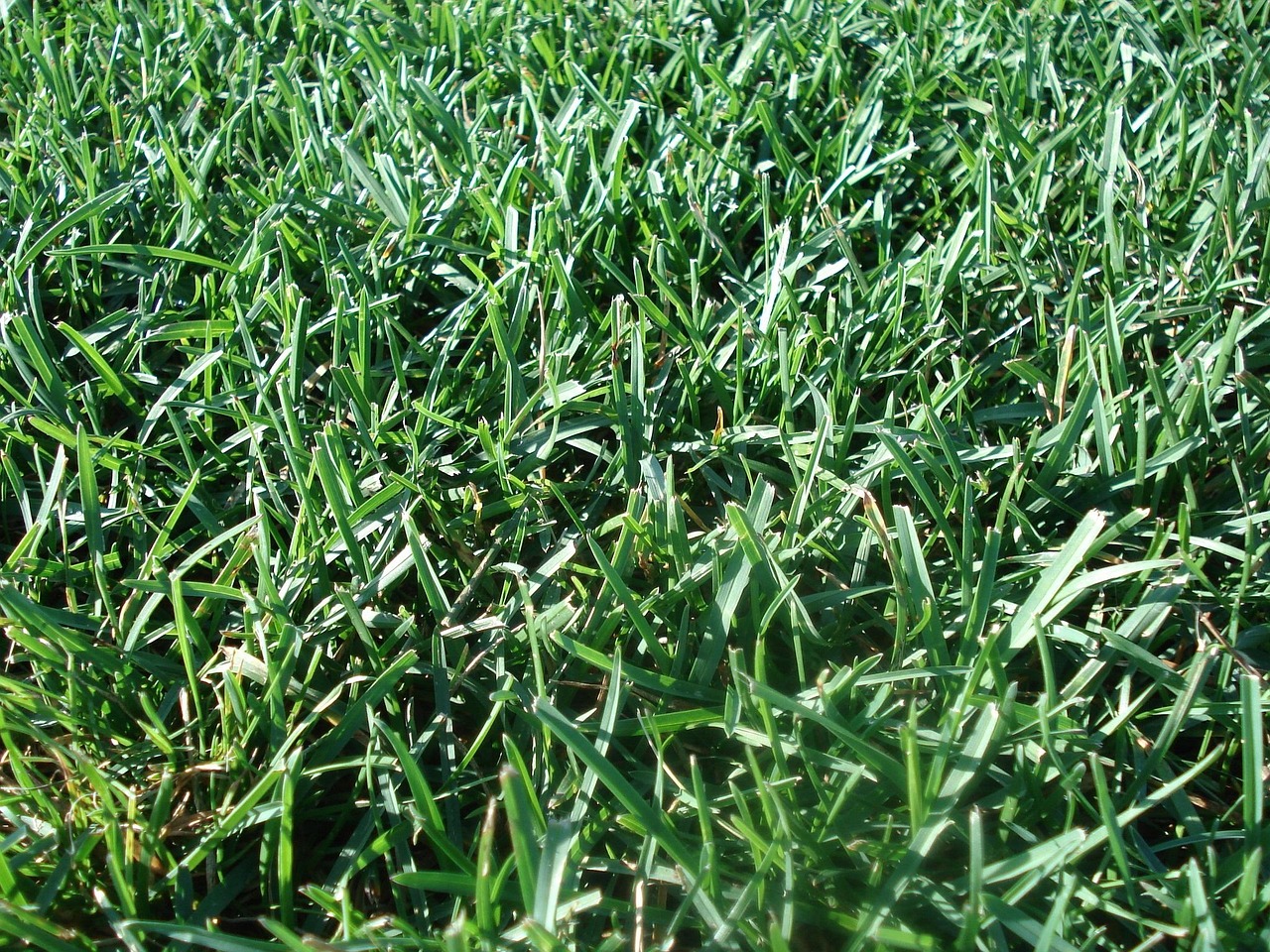
A common DIY mistake is treating every lawn as if it needs the same calendar. A shaded fescue lawn in a northern yard, a bermudagrass lawn in the South, and a mixed transition-zone lawn may all look green in spring, but they grow on different schedules and respond differently to fertilizer, heat, mowing, and seeding.
Start with four observations before applying any product:
- Grass type: Cool-season grasses such as tall fescue, Kentucky bluegrass, perennial ryegrass, and fine fescues grow most actively in cooler spring and fall conditions. Warm-season grasses such as bermudagrass, zoysiagrass, centipedegrass, and St. Augustinegrass grow most actively in warm weather.
- Sun and shade: Thin turf under trees may be a light problem rather than a fertilizer problem. Some areas may perform better as groundcovers, mulch beds, or shade-tolerant plantings.
- Drainage and compaction: Standing water, hard soil, and heavy foot traffic can restrict root growth and make weeds more competitive.
- Measured lawn area: Calculate square footage before buying seed, fertilizer, lime, or compost. Product labels and soil test recommendations are usually based on area.
A soil test is one of the most useful low-cost starting points. University soil testing laboratories commonly report pH, organic matter, phosphorus, potassium, and amendment recommendations. The University of Minnesota Extension advises testing lawns and gardens every three to five years, or when making a major change. For most established lawns, that interval is frequent enough to guide fertilizer and lime decisions without making testing an unnecessary annual task.
Mow for root health, not just appearance
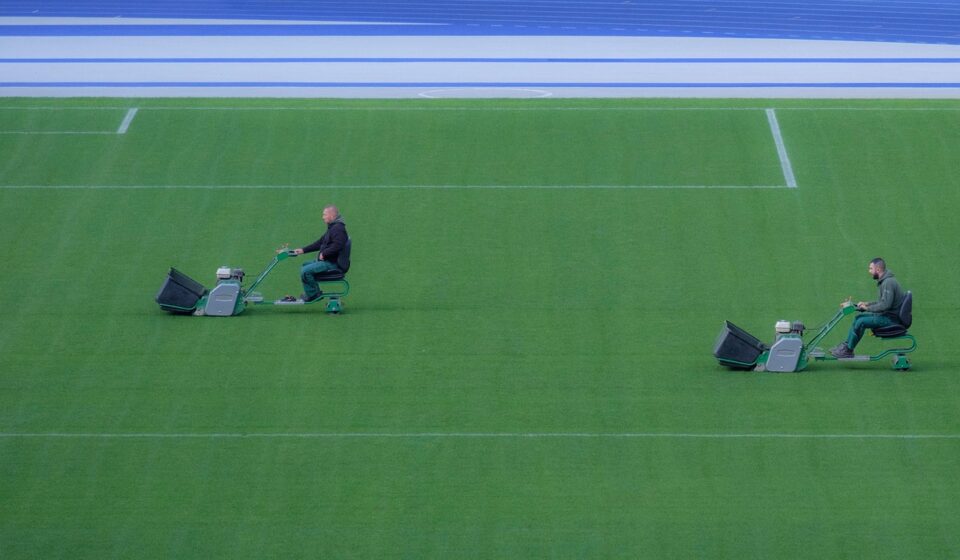
Mowing is the lawn care task most homeowners do most often, so small changes can have a large effect. Extension turf guides generally recommend avoiding very short cuts because scalping removes leaf surface, stresses grass plants, and lets more light reach weed seeds. For many cool-season home lawns, mowing around 2.5 to 3.5 inches is more protective than cutting close, while some regional guidance recommends keeping turf at 3 inches or higher.
A reliable rule is to remove no more than one-third of the grass blade in a single mowing. If the target height is 3 inches, mow before the grass grows much beyond about 4 to 4.5 inches. This matters most during fast spring growth, after rain, or when mowing has been delayed for a week.
Keep clippings when they are small
Grass clippings are often blamed for thatch, but Extension sources note that normal clippings break down quickly when mowing is done often enough. Illinois Extension describes clippings as mostly water, and Penn State Extension notes that returning clippings can reduce nitrogen fertilizer needs. In practical terms, mulching clippings saves time, keeps nutrients on the lawn, and reduces yard waste.
There are exceptions. Bag or redistribute clumps if the lawn is wet, the grass is overgrown, or heavy clippings are smothering turf. If a pesticide label restricts how treated clippings may be used, follow that label. Do not move herbicide-treated clippings into vegetable beds or compost unless the product directions clearly allow it.
Maintain the mower
A sharp mower blade cuts cleanly. A dull blade tears grass tips, leaving a brown, ragged appearance and adding plant stress. Sharpen or replace blades at least once per season, and more often if the mower hits sticks, stones, or sandy soil. Varying the mowing direction also helps reduce rutting and encourages more upright growth.
Water by measurement instead of habit
Watering is where many DIY lawn care plans waste the most money. The goal is not to keep grass constantly wet. It is to provide enough moisture for active growth without encouraging shallow roots, disease pressure, or runoff. University of Maryland Extension states that actively growing turfgrass does well with about 1 inch of water per week, including rainfall. Iowa State Extension gives similar guidance for many cool-season lawns and warns that adding more water than needed can saturate soil and increase disease risk.
That 1-inch figure is a starting point, not a fixed rule for every site. Soil type, slope, weather, grass species, wind, and shade all affect irrigation needs. Clay soil may absorb water slowly and need cycle-and-soak watering. Sandy soil drains quickly and may need smaller, more frequent applications. Newly seeded areas need lighter, more frequent moisture until seedlings establish, while established lawns can usually be watered less often.
Use a simple can test
EPA WaterSense recommends using shallow containers, such as empty tuna cans, to measure how much water a sprinkler applies. Place several cans across the watering zone and run the sprinkler until the average depth reaches about half an inch. Record the time. If runoff begins before the target depth is reached, stop, let the water soak in, then resume. This method is more accurate than guessing by minutes because sprinkler output varies widely.
Early morning is usually the most efficient watering window because temperatures are lower and grass blades can dry during the day. Avoid frequent light watering unless establishing seed; it can encourage shallow roots. Also check local water restrictions during dry periods, because municipal rules take priority over a preferred lawn schedule.
Fertilize from soil data, not from color alone
A green lawn can still have an imbalanced soil profile, and a pale lawn is not always asking for fertilizer. Heat stress, drought, compaction, dull mower blades, insects, disease, dog urine, and poor drainage can all change turf color. This is why soil testing should come before building a fertilizer program.
Fertilizer labels show the percentage of nitrogen, phosphorus, and potassium as N-P-K. Nitrogen drives leaf growth and color, phosphorus supports root development, and potassium contributes to stress tolerance. Many established lawns, however, do not need additional phosphorus unless a soil test indicates a deficiency. Over-application of nitrogen and phosphorus can contribute to water-quality problems when nutrients move off-site through runoff or leaching.
For a careful DIY approach: See also: built-in furniture.
- Use soil test recommendations to select fertilizer and lime.
- Measure the lawn area before calculating product amounts.
- Apply fertilizer to dry grass unless the label says otherwise.
- Water in granular fertilizer when directed, but avoid applying before heavy rain.
- Sweep granules off sidewalks, driveways, patios, and streets back onto the lawn.
- Consider slow-release nitrogen when making fewer applications, especially where leaching is a concern.
Compost can help improve soil structure and organic matter, but it is not automatically harmless in unlimited amounts. Compost may contain nutrients, including phosphorus, so treat it as a soil amendment with nutrient value. A light topdressing is different from burying turf under thick material. If the grass disappears under compost, too much was applied at once.
Handle weeds and pests with diagnosis first
Weeds, insects, and brown patches are symptoms, not always the original problem. EPA and university Integrated Pest Management guidance emphasizes identifying the pest or cause before using pesticides. This matters because drought stress, fungal disease, insect feeding, fertilizer burn, herbicide injury, compacted soil, and pet urine can create similar-looking patches.
Walk the lawn slowly before treating. Look for patterns. A straight-edged brown strip may point to fertilizer overlap or a chemical spill. Damage near pavement may reflect heat and dry soil. Thin grass under trees may be shade stress. Turf that lifts like loose carpet may suggest root-feeding grubs, but confirmation requires checking the soil rather than judging by color alone.
Use prevention before broad treatment
Dense turf is one of the strongest weed defenses. Correct mowing height, adequate but not excessive watering, and timely overseeding can reduce open soil where weeds establish. Spot treatment is often more appropriate than broadcast herbicide when weeds are limited. If using a pesticide, the label is the legal and practical guide for where, how, how much, and how often the product may be used.
Be especially careful with combined “weed and feed” products. They can apply herbicide where weeds are not present, fertilizer when the lawn does not need it, or both at the wrong seasonal timing. They also may conflict with seeding plans because many preemergent herbicides prevent desirable grass seed from germinating.
Use seasonal timing, then adjust locally
A DIY schedule should follow grass growth, not the calendar alone. Cool-season lawns usually receive the most renovation attention in late summer to early fall because cooler air, warm soil, and reduced weed pressure help seed establish. Warm-season lawns are often renovated during active warm-weather growth. Local Extension calendars are useful because they reflect regional climate, common grasses, and pest timing.
| Season | Main DIY lawn care focus | Common mistakes to avoid |
|---|---|---|
| Early spring | Inspect winter damage, service the mower, test soil if due, begin mowing when growth resumes, and avoid aggressive fertilizing before the lawn is actively growing. | Seeding and applying incompatible preemergent herbicide in the same area; mowing too short at the first cut. |
| Late spring | Maintain mowing height, manage early weeds, calibrate sprinklers, and apply fertilizer only if recommended for the grass type and soil condition. | Using calendar-based fertilizer without measuring area or checking soil needs. |
| Summer | Raise mowing height where appropriate, water based on need, reduce stress, and diagnose brown patches before treatment. | Fertilizing heat-stressed cool-season grass heavily; shallow daily watering; mowing during extreme heat. |
| Late summer to fall | For many cool-season lawns, aerate compacted soil, overseed thin areas, and make soil-test-based fertilizer applications during active growth. | Waiting too late to seed; applying weed preventer that blocks new grass seed. |
| Winter or dormancy | Limit traffic on frozen or dormant turf, plan soil testing, clean equipment, and review what worked during the year. | Applying fertilizer to frozen ground or ignoring runoff risk. |
Aeration is most useful when there is a real compaction problem, such as heavy foot traffic, hard soil, poor infiltration, or thinning in worn areas. Core aeration removes plugs and opens channels for air and water. It is often paired with overseeding on cool-season lawns in early fall, but timing should match grass type and local climate.
Build a simple routine you can repeat
The most sustainable DIY lawn care plan is one you can maintain consistently. A homeowner who mows correctly, leaves clippings, waters by measurement, tests soil every few years, and treats problems after diagnosis will often get better results than someone who applies multiple products without understanding the lawn’s condition.
Use a notebook or simple spreadsheet to track mowing height, fertilizer dates, rainfall, irrigation, weed outbreaks, seed varieties, and problem areas. Over one season, these notes reveal patterns: the hot strip by the driveway, the shady area that never thickens, the low spot that stays wet, or the front slope that dries first. Those observations turn DIY lawn care from guesswork into a manageable maintenance routine.
Frequently asked questions
What is the easiest DIY lawn care routine for beginners?
Start with five tasks: mow high enough for your grass type, follow the one-third mowing rule, leave small clippings, water only when needed and measure the amount, and get a soil test before buying fertilizer or lime. Add weed and pest control only after identifying the problem.
Should I bag grass clippings?
Usually, no. Short clippings break down and return nutrients to the lawn. Bag only when clippings are heavy enough to smother grass, when the lawn is diseased and local guidance recommends removal, or when a pesticide label restricts clipping use.
How often should I water my lawn?
For many established lawns in active growth, about 1 inch of water per week including rainfall is a useful starting point. Adjust for soil, weather, slope, shade, grass type, and local water rules. If water runs off before soaking in, use shorter cycles with soak time between them.
When is the best time to overseed?
For many cool-season lawns, late summer to early fall is the preferred window because the soil is warm and the most stressful summer heat is easing. Warm-season lawns are generally repaired during active warm-weather growth. Check a local Extension calendar before buying seed.
Can DIY lawn care be organic?
It can include organic practices such as compost topdressing, mulching clippings, improving soil health, and reducing pesticide use through prevention. However, organic inputs still contain nutrients and can be over-applied. Use soil test results and label directions for both organic and synthetic products.