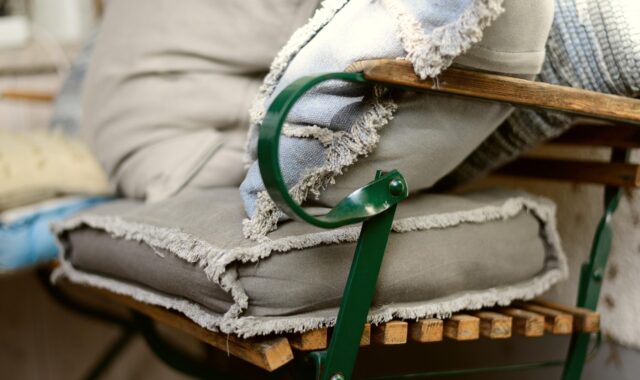
Interior furniture materials for durable and healthier spaces
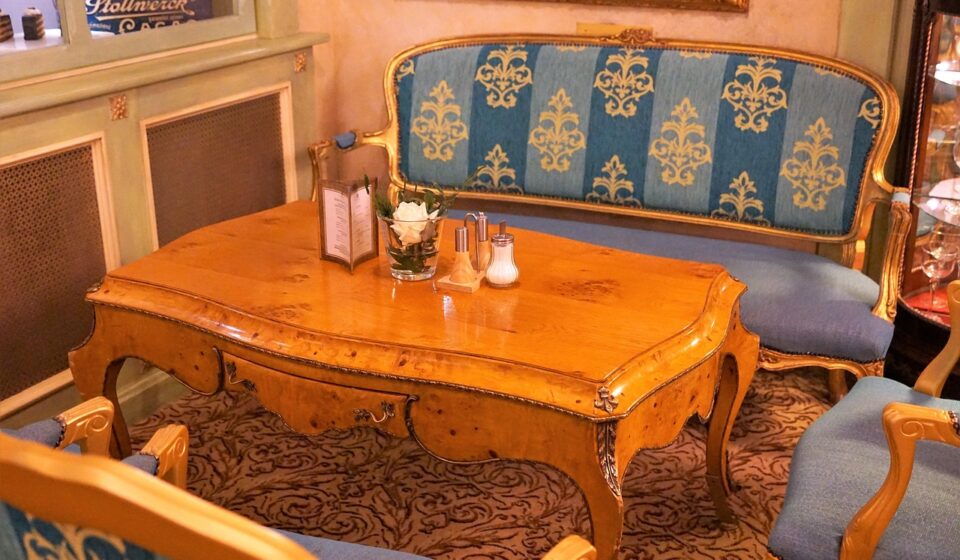
What interior furniture materials need to do
Interior furniture materials do more than create the visible finish. A good specification has to support daily use, fit the room’s moisture and cleaning conditions, limit avoidable indoor air concerns, and give buyers evidence behind performance claims. Wood, engineered panels, metal, stone, glass, upholstery textiles, leather, laminates, and recycled materials can all work indoors when they are matched to the application rather than selected by appearance alone. In the U.S., composite wood products such as hardwood plywood, MDF, and particleboard are subject to formaldehyde rules, while upholstered furniture has separate flammability requirements. In Europe, the Ecodesign for Sustainable Products Regulation has also placed furniture within a broader shift toward traceable, repairable, and lower-impact products. (epa.gov)
For designers, furniture brands, importers, and project buyers, the useful question is not which material is best. It is which material performs reliably under a specific use condition, and what proof supports the claim. This guide looks at interior furniture materials through structure, surface performance, health, compliance, sustainability, and maintenance.

A practical material map for indoor furniture
Most furniture combines several material layers. A dining table may include a solid wood edge, engineered panel core, veneer face, coating, metal hardware, and felt floor protection. A sofa brings together frame timber or metal, springs or webbing, foam, fabric, leather or coated textile, thread, adhesives, and labels. Judging only by the outer surface can hide the decisions that affect durability, compliance, and service life.
| Material family | Common indoor uses | Main strengths | Key checks |
|---|---|---|---|
| Solid wood | Tables, chairs, frames, shelving, premium case goods | Repairable, tactile, long service potential | Moisture movement, finish durability, sourcing evidence |
| Veneered plywood or MDF | Cabinets, desks, panels, doors, wall-mounted furniture | Stable, efficient use of decorative wood, consistent surface | Core quality, edge sealing, formaldehyde compliance, veneer thickness |
| Particleboard and MDF with laminate | Wardrobes, retail fixtures, office storage, budget case goods | Flat, economical, good for large panels | Screw-holding, moisture resistance, edge banding, emissions documentation |
| Metal | Chair frames, table bases, shelving, hardware, adjustable systems | High strength in slender sections, recyclable, dimensionally stable | Corrosion protection, weld quality, coating adhesion, noise control |
| Glass, stone, ceramic, and sintered surfaces | Tabletops, counters, shelving, accent surfaces | Hard surfaces, heat and stain resistance depending on type | Weight, edge safety, impact risk, mounting support |
| Textiles, leather, coated fabrics, and foam | Seating, headboards, acoustic panels, cushions | Comfort, color range, acoustic softness | Wear rating, cleanability, flammability, chemical treatments, replacement options |
This table is a starting point, not a ranking. A well-made veneer cabinet can outperform a poorly dried solid wood cabinet. A modest laminate may be the right choice for a high-turnover rental unit. Material quality depends on specification, fabrication, installation, and maintenance working together.
Wood and engineered panels remain the baseline
Solid wood offers repairability but needs dimensional planning
Solid wood is valued because it can be shaped, refinished, repaired, and allowed to age visibly. It suits chairs, tabletops, rails, legs, and high-touch edges where tactile quality matters. Its main limitation is movement. Wood expands and contracts with humidity, so wide panels, long tops, and door fronts need suitable joinery, allowance for movement, and finishes that slow moisture exchange without assuming it can be stopped completely.
Solid wood also raises sourcing questions. Species, harvest origin, drying quality, and waste utilization all matter. FSC chain of custody certification is one way buyers can ask for traceability because it covers material movement through sourcing, processing, labeling, and sale rather than only a logo in a brochure. (fsc.org)
Engineered wood improves stability but requires documentation
Engineered panels are central to modern interior furniture because they create flat, consistent, and material-efficient surfaces. Plywood is useful where screw-holding, layered strength, and dimensional stability matter. MDF works well for painted surfaces, routed details, and smooth doors. Particleboard is common in laminate furniture where cost, flatness, and production scale are priorities.
The tradeoff is that engineered panels are composite products. Buyers should ask about the exact core, adhesive system, emissions compliance, and edge treatment. The EPA’s TSCA Title VI rule covers hardwood plywood, MDF, and particleboard, as well as finished goods containing those products, and requires compliant labeling for regulated composite wood products in the U.S. after March 22, 2019. EPA guidance also notes that laminated product producer provisions reached a March 22, 2024 compliance date unless an exemption applies. (epa.gov)
In practical specifications, “wood veneer cabinet” is not enough. A stronger specification identifies the veneer, core type, panel compliance, adhesive or resin claim where relevant, edge banding, finish system, and repair method for damaged edges or corners.
Metals, glass, stone, and ceramics solve different furniture problems
Metal is often the structural material behind slim furniture. Steel and aluminum can create thin legs, cantilevered supports, folding systems, drawer slides, shelving uprights, and adjustable components that would be bulky in wood. Powder coating, plating, anodizing, and stainless grades all affect corrosion resistance and appearance, so the finish should match the environment. A dry office, a coastal apartment, and a restaurant entry zone do not expose metal furniture to the same risks.
Glass, natural stone, engineered stone, ceramic, and sintered slabs are usually surface choices rather than universal furniture materials. They can provide scratch resistance, heat resistance, and an easy-clean feel, but they add weight and need careful support. The material decision should include edge profile, corner safety, subframe design, installation access, and replacement planning. A tabletop that cannot be safely moved through a stairwell is not a successful specification, no matter how attractive it looks.
Hard surfaces are not automatically durable in every sense. Stone can stain or chip, glass can break, ceramic can fracture at unsupported corners, and metal can dent or corrode. Durability should be defined by the most likely failure mode in the room.
Upholstery materials need separate checks
Upholstered furniture adds another material system: frame, suspension, foam or fiber fill, fabric or leather, seam construction, zippers, adhesives, and labels. Comfort and softness are important, but the specification should also address abrasion, pilling, colorfastness, cleanability, seam strength, cushion recovery, and whether covers can be replaced.
Flammability rules are especially important for upholstered seating. The CPSC explains that 16 CFR part 1640 is intended to reduce deaths and injuries associated with upholstered furniture fires, and the federal rule incorporates California Technical Bulletin 117-2013 as a smolder-resistance standard. The rule is not a broad promise that a sofa is fireproof, and it does not replace the need to evaluate fabric durability, foam quality, cleaning chemistry, or local project requirements. (cpsc.gov)
For healthcare, hospitality, education, childcare, and rental housing, upholstery decisions should be more conservative than for low-use decorative seating. Removable covers, replaceable cushions, dark or patterned fabrics, and documented cleaning methods can reduce replacement frequency. If a supplier claims no added flame retardants, stain resistance, antimicrobial treatment, recycled fibers, or leather alternatives, ask for the relevant test report or declaration rather than relying only on catalog language.
Indoor air quality and low-emission evidence
Indoor furniture can contribute to indoor air concerns through panels, adhesives, coatings, foam, finishes, and textiles. EPA guidance identifies building materials and furnishings as sources of VOCs and notes that its TEAM studies found levels of about a dozen common organic pollutants two to five times higher indoors than outdoors. EPA also identifies pressed wood products made with urea-formaldehyde resins as important formaldehyde sources in homes. (epa.gov)
This does not mean every new furniture item is unsafe. It means indoor air quality should be handled as a specification issue. Useful questions include: Does the product contain regulated composite wood? Is the product certified or tested for low chemical emissions? Does the finish require a curing period? Will the furniture be installed immediately before occupancy? Is there a plan for ventilation after delivery?
Third-party emissions programs can help when they are relevant to the product and claim. UL Solutions states that GREENGUARD certification involves review of the manufacturing process and routine testing for low chemical emissions, while GREENGUARD Gold sets lower VOC emission limits for sensitive environments such as schools, healthcare settings, and homes with children. (ul.com) See also: built-in furniture.
A practical approach is to combine compliance evidence with project controls. Specify TSCA Title VI or comparable regional compliance where applicable, request emissions certificates for high-volume indoor installations, avoid unnecessary fragranced or heavily treated materials, and schedule installation early enough to ventilate before occupants move in.
Sustainability is moving from claims to traceable evidence
Sustainable furniture language is often broad: eco-friendly, green, natural, recyclable, circular, low carbon. Useful specifications translate those words into evidence. That evidence may include certified wood chain of custody, recycled content documentation, emissions testing, repair instructions, spare parts availability, take-back terms, life cycle assessment, or an environmental product declaration when available.
In commercial furniture, BIFMA’s e3 Furniture Sustainability Standard is a relevant reference because it evaluates multiple attributes rather than one material feature. BIFMA states that the e3-2024 revision moves away from a simple credit structure toward tiered levels, including a Level 4 that adds climate-positive and chemical optimization criteria. (bifma.org)
European policy is also shifting attention toward circularity. Regulation (EU) 2024/1781 establishes a framework for future ecodesign requirements, and the European Commission’s 2025–2030 working plan identifies furniture among priority product groups for consideration. That does not create one universal furniture material rule immediately, but it signals that repairability, recycled content, product information, and digital product data will become more important for furniture placed on regulated markets. (eur-lex.europa.eu)
For readers following material developments, the furniture materials section can be used as a starting point for comparing substrates, finishes, and emerging specification issues.
A room-by-room selection logic
Kitchens and dining areas need moisture-tolerant finishes, sealed edges, stable table surfaces, and easy-clean chairs. Laminate, sealed veneer, powder-coated metal, and dense hardwoods can all work when edges and joints are protected.
Bedrooms and children’s rooms place more emphasis on low emissions, rounded edges, stable anchoring, and surfaces that can be cleaned without harsh chemicals. For large wardrobes, beds, and desks, panel documentation matters because the material volume in the room can be significant.
Offices and learning spaces require repeatability, repairability, low-emission evidence, and ergonomic compatibility. Replaceable components are valuable because chairs, desktops, screens, and storage units wear at different rates.
Hospitality and rental spaces need materials that hide wear, survive cleaning, and allow fast replacement. A slightly more expensive edge band, metal glide, removable cover, or modular component can reduce disruption over the product’s service life.
Bathrooms, spas, and humid interiors call for caution with untreated MDF, open-grain veneers, and absorbent fabrics. Moisture-resistant cores, sealed backs, corrosion-resistant hardware, and ventilation matter more than appearance alone.
Procurement checklist for interior furniture materials
- Define the room conditions first: humidity, cleaning method, sunlight, traffic, and expected service life.
- Separate the visible surface from the structural core in the specification.
- Ask for composite wood compliance documentation where plywood, MDF, or particleboard is used.
- Check edge sealing, hardware quality, and repair methods, not only the face finish.
- For upholstered pieces, review fabric performance, cushion recovery, flammability compliance, and replacement options.
- Use low-emission certification or testing for high-volume indoor installations, schools, healthcare spaces, and bedrooms.
- Prefer traceable sourcing claims over vague natural or eco-friendly wording.
- Consider whether parts can be disassembled with common tools and whether replacement parts are available.
- Match cleaning instructions to the real maintenance team, not an ideal condition.
- Keep documents with the project file: certificates, labels, care instructions, warranty terms, and spare part information.
Frequently asked questions
Are solid wood materials always better than MDF or particleboard?
No. Solid wood can be repairable and long lasting, but it moves with humidity and can be expensive or inefficient for large flat panels. MDF, plywood, and particleboard can be excellent choices when the core, edge treatment, finish, and emissions compliance are properly specified.
What is the most important low-emission check for wood furniture?
For U.S. projects, start by confirming whether the item contains regulated composite wood products and whether it is labeled or documented as TSCA Title VI compliant. For larger projects or sensitive interiors, add product-level emissions certification or testing, especially where many new furniture items will be installed at once. (epa.gov)
Does upholstered furniture compliance mean a sofa contains flame retardants?
Not necessarily. The federal upholstered furniture rule addresses flammability performance through the referenced smolder-resistance standard, but the presence or absence of added flame retardants depends on the product design and supplier documentation. Ask for the product label, material declaration, or test evidence if this issue matters to the project. (cpsc.gov)
How can buyers evaluate sustainable furniture materials without relying on marketing?
Ask for evidence that matches the claim. For wood, that may mean chain of custody certification. For commercial furniture, it may mean a multi-attribute standard such as BIFMA e3 or LEVEL certification. For circularity, request repair instructions, disassembly information, recycled content evidence, and spare part availability rather than accepting a broad green claim. (fsc.org)