Floor care cleaning and maintenance for wood, tile, vinyl and stone floors
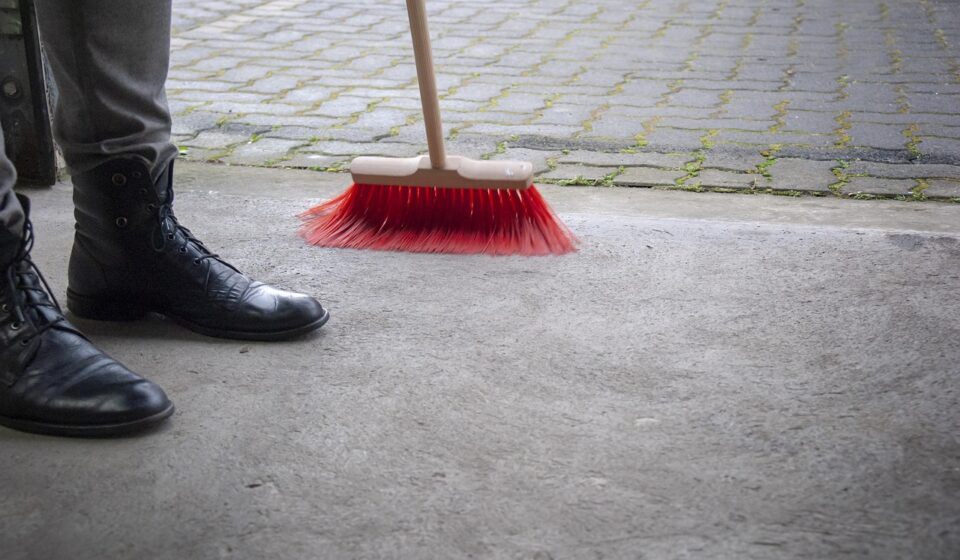
Floor care cleaning and maintenance should start with the flooring material, not with the strongest product on the shelf. Wood flooring, vinyl plank, porcelain tile and natural stone may all appear durable, but they react differently to moisture, abrasion, alkaline cleaners, disinfectants and waxes. A dependable routine is usually straightforward: remove dry soil often, clean spills quickly, use pH-appropriate products, avoid over-wetting and plan deeper maintenance before visible wear turns into damage. This guide outlines a practical floor care plan for homes, offices and hospitality spaces without relying on aggressive chemicals or one-size-fits-all advice.
For more practical surface-care topics, see the care and maintenance section.
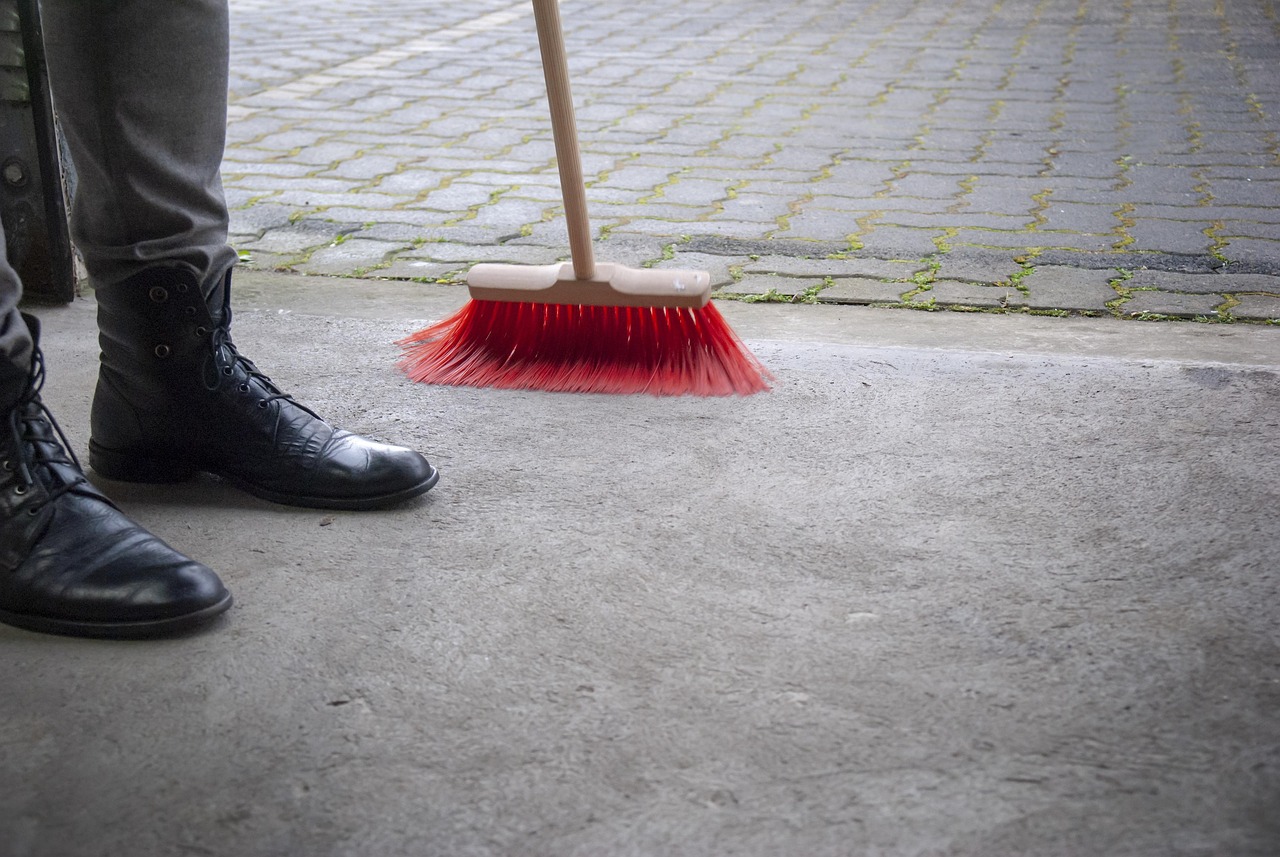
Why floor care should begin with the flooring material
Most floor damage is not caused by one obvious cleaning mistake. More often, it comes from repeated small mismatches between the surface and the maintenance method. Grit left near entrances scratches finish films. Excess water can swell wood, laminate cores and seams in floating floors. Acidic cleaners may etch marble and limestone. High-alkaline degreasers can dull some resilient flooring if they are used too often or not rinsed properly.
A useful floor care plan answers five questions before choosing a mop or cleaner:
- What is the floor material and surface finish?
- Is the installation residential, commercial or mixed-use?
- How much foot traffic, grit, moisture and food soil reach the floor?
- Does the manufacturer require a specific cleaner, sealer, finish or maintenance schedule?
- Is cleaning enough, or is disinfection required for a specific risk?
Public health guidance from agencies such as the CDC and EPA treats cleaning and disinfection as separate steps. Cleaning removes soil and many germs from surfaces. Disinfection uses a registered product to kill listed microorganisms when used according to the label. For ordinary floor care, cleaning is usually the daily task. Disinfection is more specific and should follow product directions, including contact time and material compatibility.
A simple routine that fits most hard floors
The most effective maintenance programs are built around frequency, not force. Light, regular cleaning protects flooring better than occasional aggressive scrubbing. The routine below can be adapted to most hard-surface floors, with the cleaner and tools adjusted to the material.
Daily or high-traffic tasks
- Use walk-off mats at exterior entrances and clean them regularly so they do not become soil reservoirs.
- Dry mop, sweep or vacuum with a hard-floor setting to remove grit before it scratches the finish.
- Wipe spills promptly, especially oils, colored liquids, de-icing salts and acidic foods.
- Spot clean sticky soil with a cleaner approved for the floor type.
Weekly tasks
- Damp mop with a well-wrung microfiber mop rather than flooding the floor.
- Use a neutral or manufacturer-recommended cleaner for routine soil.
- Change the cleaning solution when it becomes visibly dirty instead of spreading soil across the floor.
- Inspect entrance areas, chair zones and kitchen paths for early finish wear.
Monthly and seasonal tasks
- Clean under movable furniture and rugs where fine grit collects.
- Check felt pads, casters and chair glides for embedded debris.
- Review humidity control in spaces with wood or laminate flooring.
- Plan deep cleaning, recoating, resealing or professional maintenance before wear reaches the base material.
This approach reduces the need for harsh correction later. Once scratches, swelling, etching or finish failure are visible, cleaning alone may no longer restore the floor.
Material-specific floor care cleaning and maintenance
Each floor category has its own limits. The table below summarizes practical maintenance priorities and common mistakes to avoid.
| Floor type | Routine care focus | Avoid |
|---|---|---|
| Wood flooring | Dry soil removal, prompt spill cleanup, cleaner matched to the finish | Steam mops, standing water, harsh ammonia, abrasive pads |
| Laminate flooring | Dry cleaning and lightly damp microfiber mopping | Flood mopping, wax, polishing compounds, excessive moisture at seams |
| Luxury vinyl and resilient flooring | Neutral cleaning, grit control, protection from furniture drag | Solvent cleaners, abrasive brushes, incompatible rubber mats |
| Porcelain and ceramic tile | Soil removal from grout lines and textured surfaces | Oily cleaners that leave residue, neglecting grout maintenance |
| Natural stone | pH-neutral cleaning and sealer inspection where applicable | Vinegar, lemon juice, acidic bathroom cleaners, abrasive powders |
| Concrete floors | Dust control, neutral cleaning and protection of sealers or coatings | Unverified acids or degreasers that can damage coatings |
Wood floors
Wood floors should be cleaned with the finish in mind. A polyurethane-finished floor is maintained differently from an oil-finished or waxed floor. Industry guidance from wood flooring organizations commonly emphasizes daily dust removal, bare-floor vacuuming as needed and cleaners made for the installed finish. The reason is simple: sand and grit can act like fine abrasive paper under shoes, chair legs and rolling furniture.
Moisture control is critical. Damp mopping should mean a lightly moistened mop, not a wet surface. Steam mops are especially risky because heat and moisture can enter seams and affect finishes or boards. If the finish looks dull, cloudy or scratched, adding more cleaner is rarely the answer; the floor may need finish assessment, recoating or professional repair.
Laminate floors
Laminate floors are designed with a wear layer over a core, and many cores are moisture-sensitive. Routine care should focus on dry cleaning, spot cleaning and very light damp mopping. Waxing or polishing is usually not appropriate unless the manufacturer specifically allows it. If water sits at plank edges, it can contribute to swelling or peaking that cleaning cannot reverse.
Luxury vinyl, sheet vinyl and resilient floors
Vinyl and other resilient floors are popular because they are comparatively easy to maintain, but they are not indestructible. Fine grit can still scratch wear layers, heavy furniture can cause indentation and some rubber-backed mats may discolor certain surfaces. Neutral cleaners are normally safer for routine maintenance than strong degreasers. Where a floor finish or polish system is used in a commercial space, follow the finish manufacturer’s stripping and recoat instructions rather than improvising with household products.
Tile and grout
Porcelain and ceramic tile often tolerate moisture better than wood or laminate, but grout lines can trap soil. Textured tile also holds dirt in low points, so flat mopping alone may not be enough. A soft brush, neutral cleaner and adequate rinse step can improve results. If grout is cracked, missing or deeply stained, cleaning may not solve the underlying problem; repair or resealing may be needed.
Natural stone
Natural stone requires more caution than many owners expect. Marble, limestone, travertine and some other stones can react with acidic cleaners. Vinegar and lemon-based cleaning mixtures are common online suggestions, but they are risky on acid-sensitive stone. Use pH-neutral cleaners intended for stone, blot spills quickly and check whether the stone or grout requires periodic sealing. Sealer does not make stone stain-proof, but it can help reduce absorption when properly selected and maintained.
Cleaning, sanitizing and disinfecting are not the same
One common maintenance mistake is using disinfectant as a general cleaner on every floor, every day. Cleaning, sanitizing and disinfecting have different purposes. Cleaning removes soil. Sanitizing reduces certain bacteria to a level defined by the product claim. Disinfecting targets specified microorganisms and requires the surface to remain wet for the label contact time.
For floors, the practical question is whether disinfection is actually needed. In many residential and office settings, routine cleaning is the main requirement. Disinfection may be appropriate after certain spills, in specific facility protocols or where health guidance calls for it. When disinfectants are used, compatibility matters. A product that is effective on a hard, nonporous surface may still be unsuitable for an oiled wood floor, natural stone or a finish-coated surface if the label or flooring manufacturer warns against it.
Product labels also matter for safety. More chemical does not mean better cleaning. Mixing cleaners is especially dangerous, and combining bleach with ammonia or acids can release hazardous gases. Good ventilation, correct dilution, clean tools and proper storage are part of responsible floor maintenance.
How to prevent scratches, residue and premature wear
Preventive care is usually cheaper and more effective than restoration. The highest-value steps are simple, but they need to be consistent. See also: built-in furniture.
Control grit at the door
Exterior soil is one of the biggest causes of dull finishes. Use a two-stage matting strategy where possible: a coarse exterior mat to remove grit and an interior absorbent mat to capture moisture. Mats should be cleaned often, because a dirty mat can track soil back onto the floor.
Choose the right tools
Microfiber mops are useful because they hold fine particles and require less water than traditional string mops. Vacuum attachments should be suitable for hard floors, without a beater bar that can scratch delicate finishes. For textured surfaces, use soft brushes rather than aggressive pads unless the flooring manufacturer permits stronger agitation.
Avoid residue buildup
Cloudy floors are often caused by residue from too much cleaner, incompatible products or dirty rinse water. If a floor looks streaky after mopping, reduce the detergent concentration, change the mop head, use fresh solution and confirm that the cleaner is designed for the surface. Repeatedly adding polish to a dirty or incompatible surface can trap soil and make later correction more difficult.
Protect furniture zones
Install felt pads under furniture legs and replace them when they collect grit. Use chair mats or suitable casters in office areas. Lift furniture instead of dragging it. In dining areas, kitchens and hotel rooms, these small details can make a visible difference in long-term appearance.
When deeper maintenance is needed
Routine cleaning keeps soil under control, but deeper maintenance may be required when the surface itself is worn, coated, sealed or damaged. The right intervention depends on the floor.
- Wood: Dullness with intact finish may respond to professional cleaning and recoating. Deep scratches, gray wear paths or exposed wood may require sanding and refinishing.
- Vinyl and resilient flooring: Commercial floors may need machine cleaning, finish removal and recoating if a finish system is present. Residential luxury vinyl usually should not be waxed unless approved by the manufacturer.
- Tile and grout: Deep grout soil may require alkaline cleaning, agitation and extraction, followed by sealing where appropriate.
- Natural stone: Etching, lippage, scratches or loss of polish may require professional honing, polishing or resealing rather than ordinary cleaning.
- Concrete: Coated or polished concrete needs maintenance matched to the sealer, densifier or coating system.
A good rule is to stop escalating chemicals when the floor does not improve after proper routine cleaning. Stronger products may hide the real issue or create new damage. At that point, identify the floor system and consult the manufacturer’s maintenance guidance or a qualified flooring professional.
A practical maintenance schedule
The right schedule depends on traffic, pets, climate, entry conditions and building use. The following framework gives homeowners and facility managers a realistic starting point.
| Frequency | Recommended action | Purpose |
|---|---|---|
| Daily in busy areas | Dry mop, sweep or vacuum; clean spills | Remove grit and prevent stains |
| Weekly | Damp mop with approved cleaner | Remove adhered soil and residue |
| Monthly | Inspect mats, pads, grout, seams and high-wear paths | Catch early problems before damage spreads |
| Seasonally | Deep clean high-traffic zones and review humidity or moisture issues | Adjust care to weather and use patterns |
| Annually or as needed | Assess sealing, recoating, refinishing or professional maintenance | Protect long-term appearance and performance |
For building owners, documenting the schedule is useful. It clarifies which products are approved, how often tasks are performed and when deeper work is due. This is especially important in commercial interiors where multiple staff members or contractors may handle cleaning.
Frequently asked questions
What is the safest everyday cleaner for most hard floors?
A neutral cleaner recommended for the specific floor type is usually the safest starting point. The cleaner should match the material and finish. Wood, stone, vinyl and laminate may all require different products even when they are installed in the same building.
Can vinegar be used for floor cleaning?
Vinegar is not a universal floor cleaner. It can be risky on natural stone and may dull or damage some finishes over time. If a manufacturer does not specifically approve vinegar, use a cleaner designed for the floor instead.
How often should floors be mopped?
High-traffic areas may need damp mopping several times a week, while low-traffic rooms may need it less often. Dry soil removal should happen more frequently than wet cleaning because grit is a major cause of scratches and dullness.
Is steam cleaning safe for all floors?
No. Steam can damage moisture-sensitive materials, affect adhesives, enter seams or harm certain finishes. It should only be used when the flooring manufacturer clearly allows it.
Why does a floor look cloudy after cleaning?
Cloudiness often comes from detergent residue, dirty mop water, incompatible polish, excessive product concentration or wear in the finish. Start by using fresh water, clean tools and the correct cleaner. If the haze remains, the issue may be finish damage rather than surface dirt.
The bottom line
Effective floor care cleaning and maintenance is less about using stronger products and more about matching the routine to the surface. Identify the flooring material, remove dry soil often, limit moisture, use compatible cleaners and address wear before it becomes permanent damage. A consistent, material-specific plan helps wood, tile, vinyl, laminate, stone and concrete floors stay cleaner, safer and more attractive over time.